
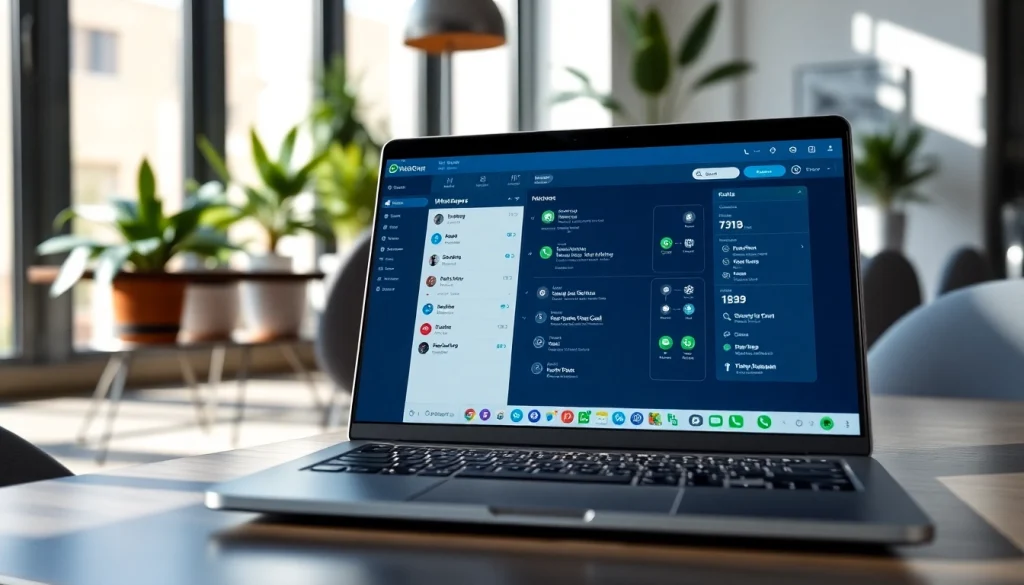
What is a CRM for WhatsApp?
In today’s fast-paced business environment, effective communication with customers is paramount. The integration of messaging apps like WhatsApp into Customer Relationship Management (CRM) systems has revolutionized the way businesses interact with their clients. This transformation leads us to ask: What is a CRM for WhatsApp? This article will explore the definition, functions, features, and benefits of WhatsApp CRM systems.
Definition and Core Functions
A CRM for WhatsApp is a specialized software tool that combines traditional CRM functionality with the power of the WhatsApp messaging platform. At its core, it enables businesses to manage customer interactions and data directly through WhatsApp, one of the most widely used messaging services in the world.
The core functions of a WhatsApp CRM system typically include:
- Customer Data Management: Storing and organizing customer contact details, purchase history, and preferences.
- Automated Messaging: Sending timely responses or promotional messages automatically based on customer engagement.
- Communication Tracking: Logging all exchanges between the business and customers to ensure transparency and accountability.
- Integration with Other Tools: Working seamlessly with other CRM functions and third-party applications for a streamlined experience.
Key Features of WhatsApp CRM Tools
The effectiveness of a CRM for WhatsApp lies in its unique features tailored to enhance customer interactions. Key features include:
- Chatbots and Automation: Implementing AI-driven chatbots to handle preliminary customer queries, improving response times.
- Real-time Notifications: Alerts for incoming messages or customer actions, enabling quick responses.
- Reporting and Analytics: Performance metrics related to customer interaction, message open rates, and conversion statistics.
- Segmentation and Targeting: Identifying customer segments based on behavior or interest for tailored messaging.
How WhatsApp CRM Enhances Communication
When integrated correctly, a WhatsApp CRM enhances communication through several avenues:
- Instant Messaging: Engaging customers at the moment they express interest, thus increasing the chances of sales and satisfaction.
- Personalized Interactions: Tailoring messages based on accumulated data, making customers feel valued and understood.
- Multi-channel Communication: Allowing businesses to unify messages from various channels into one interface, providing a cohesive customer experience.
Benefits of Using a CRM for WhatsApp
There are numerous advantages to employing a CRM specifically designed for WhatsApp. Businesses can enhance their customer engagement, streamline operations, and build stronger customer relationships.
Improved Customer Engagement Strategies
Customer engagement is crucial for brand loyalty and conversion rates. With a WhatsApp CRM, businesses can:
- Create Dynamic Conversations: Businesses can initiate personalized dialogues based on customer behavior or preferences.
- Facilitate Quick Resolutions: Customers can reach out for assistance via their preferred messaging platform, enhancing satisfaction.
- Gather Feedback in Real-time: Encouraging customers to provide immediate feedback on products or services enhances service quality.
Centralized Communication Channels
A WhatsApp CRM centralizes all communications into a single platform, reducing the need for juggling multiple tools or applications. This centralization leads to more efficient customer service as representatives have all pertinent information at their fingertips. Consequently, customer satisfaction increases as issues are resolved more swiftly.
Increased Operational Efficiency
Operational efficiency refers to how effectively a business utilizes its resources. A CRM for WhatsApp enhances efficiency in several ways:
- Automated Workflows: Bypassing manual data entry enables staff to focus more on engaging with customers directly.
- Streamlined Team Collaboration: Team members can easily share information and insights on customer interactions.
- Cost-Effectiveness: Reducing the number of tools and platforms required decreases overhead costs.
Implementing a CRM for WhatsApp
A successful implementation of a WhatsApp-based CRM involves multiple steps, from choosing the right system to training the team that will use it.
Choosing the Right CRM for Your Business
Selecting a suitable WhatsApp CRM involves assessing various factors:
- Scalability: Ensure the CRM can grow with your business needs.
- Ease of Use: A user-friendly interface reduces the learning curve for employees.
- Integration Capabilities: Check if the CRM can connect with existing systems such as email, social media, or e-commerce platforms.
Steps for Seamless Integration
Once a CRM system is chosen, the integration process can begin. Essential steps include:
- Data Migration: Transfer existing customer data into the new CRM.
- API Setup: Configure the WhatsApp Business API for integration with the CRM system.
- Testing: Conduct rigorous testing to ensure all features work as expected before full deployment.
Training Your Team on CRM Usage
Training is vital for maximizing the effectiveness of a new CRM system. This could involve:
- Workshops and Tutorials: Providing hands-on training sessions and detailed documentation.
- Feedback Mechanisms: Establishing channels for team members to express issues or share tips based on their experiences.
- Continuous Learning: Offering refresher courses or updates as CRM functionalities evolve.
Measuring Success with WhatsApp CRM
Tracking the success of a CRM for WhatsApp is crucial to understanding its benefits and areas for improvement. Identifying key performance indicators (KPIs) helps gauge effectiveness.
Key Performance Indicators to Track
Key metrics to consider include:
- Response Times: Measure the time taken to respond to customer inquiries.
- Customer Satisfaction Scores: Regularly surveys customers regarding their satisfaction with service.
- Conversion Rates: Analyze how many interactions on WhatsApp lead to finalized sales.
Customer Feedback and Adaptation
Gathering feedback is essential for continuous improvement. Technique includes:
- Regular Surveys: Implement periodic check-ins on customer sentiment towards engagement via WhatsApp.
- Monitor Conversations: Review chat logs for common questions or issues that arise.
- Adapt Strategies: Use insights gained to adjust messaging strategies or operational processes as needed.
Continuous Improvement and Strategy Adjustment
Continuous improvement involves regularly revisiting processes, customer interactions, and system functionalities. Encourage a culture of learning and adaptation:
- Stay Updated: Technology and customer preferences evolve; your CRM strategy should evolve too.
- Review Performance Regularly: Establish regular reviews to assess the effectiveness of the CRM operations.
- Encourage Team Input: Empower employees to suggest enhancements or identify gaps based on firsthand experiences.
Challenges and Best Practices
While WhatsApp CRMs offer numerous benefits, they can also present challenges. Acknowledging these obstacles allows for effective strategies that mitigate their impact.
Common Obstacles in Implementation
Some challenges businesses might face when implementing a CRM for WhatsApp include:
- Data Transfer Issues: Migrating existing customer databases can sometimes lead to errors or loss. It’s essential to validate data post-migration.
- Employee Resistance: Teams may resist adopting a new system; addressing concerns through proper training and showcasing the benefits can alleviate this.
- Technical Glitches: Like any software, bugs may arise. Having a dedicated support system in place helps to troubleshoot swiftly.
Best Practices for Maximizing CRM Usage
To get the most out of a WhatsApp CRM, consider adopting best practices such as:
- User Training: Regularly train employees on the platform to minimize errors and increase confidence.
- Set Clear Objectives: Define measurable goals around customer engagement and sales conversions for focused efforts.
- Encourage Collaboration: Foster a team environment where employees can discuss learnings and strategies for improvement.
Future Trends in WhatsApp CRM Technology
As technology continues to advance, several trends in WhatsApp CRM are emerging:
- Increased AI Integration: More CRMs will utilize AI for predictive analytics and improved automation.
- Enhanced Personalization: Utilizing advanced data analytics for better understanding customer preferences will be crucial.
- Omni-channel Strategies: Businesses are likely to evolve towards a comprehensive strategy that integrates multiple communication channels seamlessly.