
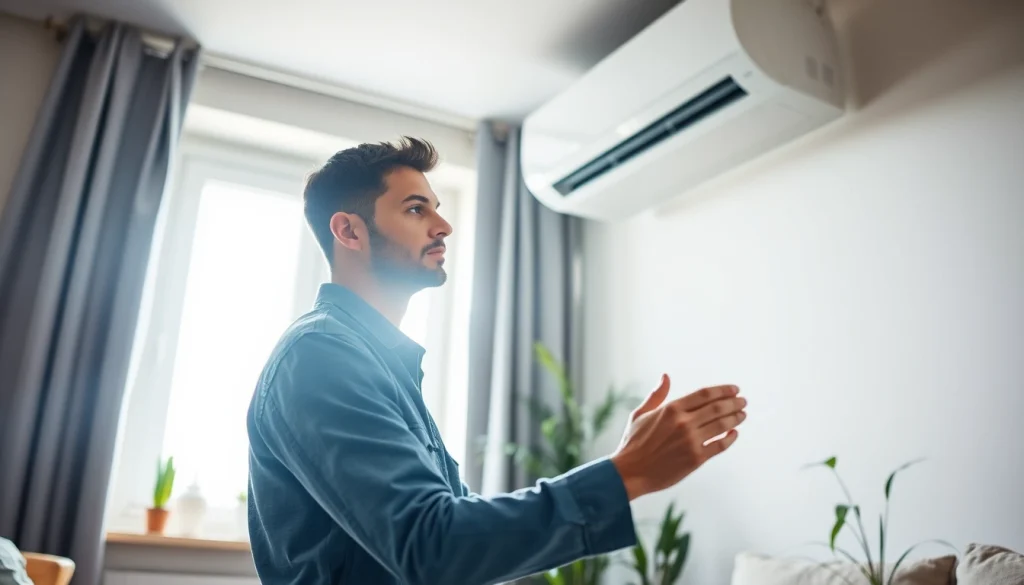
Understanding Your Home’s HVAC System
What is HVAC and Why It Matters
HVAC, which stands for heating, ventilation, and air conditioning, plays a critical role in ensuring a comfortable indoor environment in residential and commercial buildings. It encompasses various technologies and systems designed to regulate temperature, humidity, and air quality. With the increasing focus on energy efficiency and sustainability, understanding your HVAC system is more important than ever. A well-functioning HVAC system not only provides comfort but also significantly affects energy consumption and utility bills. Hence, regular upkeep and informed decisions regarding your HVAC system can lead to enhanced comfort levels and substantial savings.
Components of HVAC Systems
An HVAC system is typically composed of several key components, each performing essential functions:
- Heating Unit: Typically a furnace or heat pump that generates heat for maintaining comfortable indoor temperatures during cold months.
- Cooling Unit: An air conditioner or cooling system that reduces indoor temperatures and controls humidity levels during warmer months.
- Ventilation System: Ducts and fans that circulate air throughout the building, providing necessary ventilation and improving indoor air quality.
- Thermostat: A device that monitors and regulates temperature, allowing users to set their desired comfort level.
- Air Filters: These play a crucial role in keeping the air clean by trapping dust, allergens, and other particles.
Assessing Your Home’s Heating and Cooling Needs
Determining the heating and cooling needs of your home involves considering multiple factors, such as the size of the space, insulation quality, and local climate conditions. Conducting a heat load calculation can provide insights into how much heating or cooling is necessary. Consulting a professional for this assessment ensures an accurate evaluation, integral to selecting the right HVAC system tailored to your specific requirements. Furthermore, understanding your home’s unique characteristics will aid in making informed decisions that enhance efficiency and comfort.
Signs You Need HVAC Maintenance
Common Indicators of System Malfunction
Recognizing the signs of an HVAC system that requires maintenance is essential for preventing larger issues. Common indicators include inconsistent temperatures across different rooms, unusual noises such as grinding or hissing, strange odors, and increased energy bills without a corresponding increase in usage. Early detection and addressing these symptoms can prevent costly repairs and extend the lifespan of your HVAC system.
The Importance of Regular Inspections
Regular inspections are crucial to the longevity and efficiency of HVAC systems. This proactive approach allows for the identification of minor issues before they escalate into major problems, ensuring optimal performance. Most HVAC service providers recommend biannual professional inspections—once for heating and once for cooling. During these inspections, professionals will clean components, check for wear, and ensure that the system operates at peak efficiency, ultimately leading to improved indoor comfort and lower energy costs.
DIY Checks to Conduct Before Calling a Professional
Homeowners can perform several simple checks to help determine if their HVAC system requires professional maintenance:
- Air Filter Inspection: Check and replace dirty air filters, as blocked filters can significantly impede airflow and efficiency.
- Thermostat Settings: Ensure that your thermostat is set correctly and functioning accurately.
- Visual Inspection: Look for visible signs of wear, such as rust, leaks, or debris around the outdoor unit.
- Listening for Noises: Pay attention to unusual sounds from the HVAC system, which could indicate mechanical issues.
Choosing the Right HVAC System
Exploring Energy Efficiency Ratings
Energy efficiency ratings are crucial in determining the long-term operating costs of HVAC systems. Look for the Seasonal Energy Efficiency Ratio (SEER) for air conditioners and the Annual Fuel Utilization Efficiency (AFUE) for heating systems. Higher ratings suggest an efficient system that will save you money on utility bills over time. Investing in an energy-efficient HVAC system not only benefits your wallet but also reduces your carbon footprint, contributing to environmental sustainability.
Factors to Consider When Selecting Your System
Several critical factors should guide your selection of an HVAC system:
- Home Size: The size of your home directly impacts the required system capacity, measured in BTUs (British Thermal Units). A system that is too small will struggle to maintain comfortable temperatures, while one that is too large will cycle on and off frequently, wasting energy.
- Climate: The local climate should influence whether you need a more robust heating system or a powerful air conditioning unit.
- Fuel Type: Different fuels (such as natural gas, electricity, or propane) may be more or less suitable based on availability and efficiency.
- Budget: Your initial investment should be weighed against potential long-term savings and financing options.
Cost Analysis: Initial Investment vs. Long-term Savings
Understanding the cost dynamics of an HVAC system is essential. While an energy-efficient system may have a higher upfront cost, analyzing its potential savings in terms of lower energy bills and fewer repairs can make it a smart investment. Additionally, consider potential utility rebates and tax incentives for energy-efficient systems, which can help offset initial costs. Conducting a complete cost-benefit analysis can clarify the potential ROI (return on investment) of your HVAC system choice.
Installation Tips for New HVAC Systems
Preparing Your Home for Installation
Before installation, adequate preparation is key. Ensure that all areas around the HVAC unit are clear of clutter and debris. Consider performing a pre-installation inspection to identify any potential challenges, such as limited access or outdated wiring, that need addressing. Proper insulation and sealing can also enhance system performance and efficiency after installation.
Finding Reliable Professional Installers
Selecting a qualified professional for your HVAC installation is crucial to ensuring that the system operates optimally. Look for certified technicians with positive reviews and references. It’s advisable to obtain multiple quotes to compare pricing, services offered, and warranty conditions. Certification by organizations like NATE (North American Technician Excellence) or EPA (Environmental Protection Agency) can be indicative of a technician’s credibility and expertise.
Post-Installation Checks and Best Practices
Once your HVAC system is installed, conduct a walk-through with the technician. Ensure that the system operates as intended, with no strange noises or inconsistencies in temperature. Familiarize yourself with the thermostat and how to operate the system effectively. Document the installation date and schedule the first maintenance inspection as a measure of proactive care for your investment.
Maximizing Your HVAC System Efficiency
Essential Maintenance Tips
Keeping your HVAC system in top shape requires regular maintenance. Establish a maintenance schedule that includes tasks such as changing air filters every 1 to 3 months, cleaning the blower and evaporator coils, and checking ductwork for leaks. Regular tune-ups from professionals can also enhance overall efficiency. These practices can lead to improved airflow, greater energy efficiency, and prolonged system life.
Seasonal Adjustments for Optimal Performance
Seasonal adjustments are vital to maintaining the efficiency of your HVAC system. Before the heating season, inspect and clean the furnace, and change filters to ensure clean airflow. For cooling, check the condenser unit and ensure no debris blocks airflow. Adjusting your thermostat settings appropriately for different seasons can also minimize energy consumption—considering a programmable thermostat for added convenience.
Smart Technology Integration for Your HVAC
Integrating smart technology into your HVAC system can significantly enhance its efficiency. Smart thermostats, for example, learn your preferences and adjust temperatures accordingly, optimizing energy use. Remote monitoring and control through smartphones can also aid in maintaining comfort levels while reducing energy waste. Beyond thermostats, smart air quality monitors can track and improve indoor air quality, ensuring a healthier living environment.