
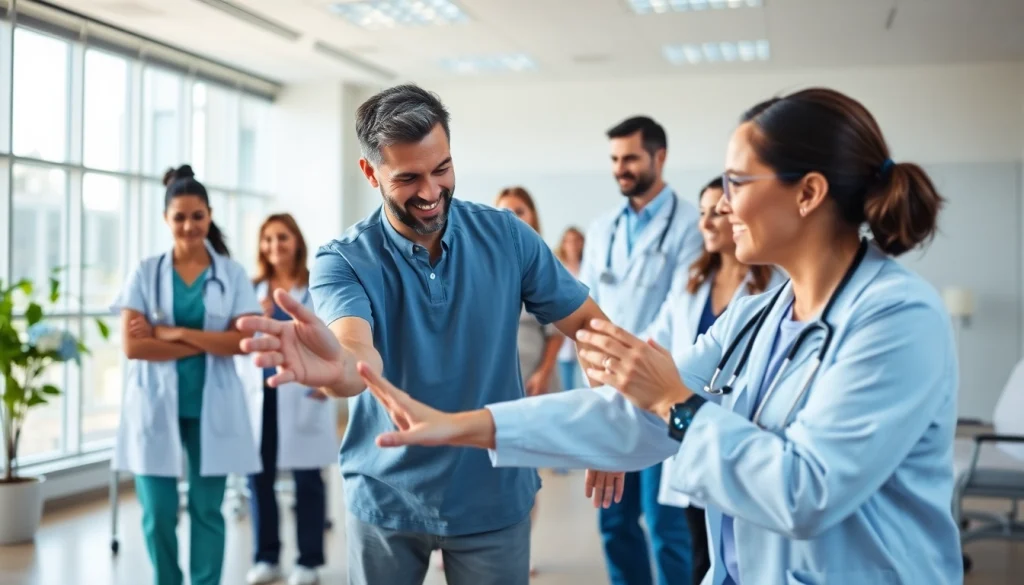
Understanding Health in Motion Rehabilitation
Rehabilitation is a critical component of the journey back to optimal health and functionality. At Health in Motion Rehabilitation, a variety of techniques and approaches are employed to facilitate recovery from injuries, surgeries, and chronic conditions. This article explores key methods employed in rehabilitation, emphasizing personalized care, the significance of physical therapy, and patient engagement.
Overview of Rehabilitation Techniques
Rehabilitation involves evidence-based techniques aimed at restoring physical function and improving quality of life. Techniques may include:
- Physical Therapy: A cornerstone of rehabilitation, focusing on exercises and manual techniques to improve mobility and strength.
- Occupational Therapy: Aims to enhance daily activities through adaptive strategies and skills training.
- Speech-Language Therapy: Helps regain communication skills after strokes or injuries affecting speech and language.
- Massage Therapy: Eases tension and improves circulation, aiding in the overall recovery process.
Each of these techniques can be tailored to the individual needs of patients, ensuring the most effective route to recovery.
The Role of Physical Therapy
Physical therapy plays a pivotal role in rehabilitation. It not only focuses on injury recovery but also addresses pain management, mobility enhancement, and prevention of future injuries. Physical therapists employ a range of methods, including:
- Exercise Programs: Customized exercises that involve strengthening, stretching, and cardiovascular activities.
- Manual Therapy: Hands-on techniques to alleviate pain and improve tissue extensibility.
- Modalities: Use of heat, cold, ultrasound, or electrical stimulation to facilitate healing.
Through consistent engagement in physical therapy, patients can regain their independence, enhance mobility, and enjoy an improved quality of life.
Importance of Patient-Centered Care
At the core of effective rehabilitation is patient-centered care that prioritizes the preferences, needs, and values of patients. This approach enhances patient satisfaction and promotes active participation in recovery. Important aspects of this philosophy include:
- Active Involvement: Patients are encouraged to take part in decision-making regarding their treatment plans.
- Open Communication: Transparent dialogue between patients and providers fosters trust and understanding.
- Respect for Individual Needs: Tailored programs reflect the unique circumstances and goals of each patient.
Incorporating these principles not only empowers patients, but also contributes to more successful recovery outcomes.
Core Principles of Health in Motion Rehabilitation
Personalized Treatment Plans
Personalization is essential in rehabilitation. Every patient presents with distinct challenges and goals, necessitating tailored treatment plans that reflect their specific needs. These plans typically include:
- Initial Assessments: Comprehensive evaluations to identify functional limitations and set realistic goals.
- Goal Setting: Collaborative development of short- and long-term goals to keep patients motivated.
- Adjustments and Iteration: Regular follow-ups to adapt treatment strategies based on progress and feedback.
A personalized approach ensures that therapy is both relevant and effective, leading to higher engagement and better outcomes.
Integrative Approach to Recovery
Integrative rehabilitation combines multiple disciplines to address the complex needs of patients. This multidisciplinary strategy might involve:
- Team Collaboration: Coordinated efforts among physical therapists, occupational therapists, and other specialists.
- Holistic Interventions: Incorporation of nutritional advice, mental health support, and lifestyle modifications.
- Cultural Competency: Understanding and incorporating the cultural backgrounds of patients to ensure effective communication and treatment receptivity.
This comprehensive model not only accelerates physical recovery but also supports mental and emotional well-being, fostering a healthier lifestyle.
Focus on Mental Wellbeing
The mental aspect of rehabilitation is often overlooked, yet it is equally important. Psychological factors can significantly impact physical recovery. Strategies to support mental wellbeing include:
- Mental Health Services: Access to counselors or psychologists who specialize in emotional recovery.
- Mindfulness and Relaxation Techniques: Training patients in coping mechanisms and stress-reducing practices.
- Support Groups: Providing platforms for sharing experiences and fostering connections with others facing similar challenges.
By addressing mental health alongside physical rehabilitation, patients are more likely to achieve holistic recovery, which fosters resilience and enhances overall health.
Implementing Effective Rehabilitation Practices
Setting Achievable Goals
Setting achievable goals is fundamental to the rehabilitation process. Goals should be specific, measurable, attainable, relevant, and time-bound (SMART). Effective goal-setting practices include:
- Tailored Objectives: Each patient’s condition should inform personalized goals that resonate with their personal ambitions.
- Regular Reassessment: Periodic evaluation of goals to ensure they are still relevant and motivating.
- Celebrating Milestones: Recognizing small victories along the rehabilitation journey to encourage continued effort.
Achievable goals enhance motivation and help patients visualize their progress, ultimately contributing to better outcomes.
Best Exercises for Rehabilitation
Engaging in targeted exercises is vital in rehabilitation. Here are some foundational exercises commonly recommended:
- Range of Motion Exercises: Enhance flexibility and prevent stiffness.
- Strengthening Exercises: Focus on rebuilding muscle strength specific to the affected area.
- Balance and Coordination Activities: Essential for regaining stability and preventing falls.
- Aerobic Conditioning: Improves overall endurance and cardiovascular health.
Exercise programs should be developed and supervised by licensed professionals to ensure safety and effectiveness.
Monitoring Progress and Adjustments
Regularly monitoring a patient’s progress is critical for adjusting rehabilitation strategies. This can involve:
- Progress Tracking Tools: Utilizing assessments, questionnaires, and fitness trackers to measure improvements.
- Adjusting Treatment Plans: Adapting exercises and therapies based on observed outcomes and patient feedback.
- Open Communication: Encouraging patients to share their experiences to address any roadblocks or challenges promptly.
Consistent monitoring ensures that the rehabilitation process remains dynamic, effective, and responsive to the patient’s evolving needs.
Case Studies of Successful Recovery
Real-life Success Stories
Documenting success stories can provide motivation and illustrate the effectiveness of rehabilitation techniques. For instance:
A 45-year-old man recovering from a knee replacement shared his journey from initial immobility to regaining full functionality through a carefully tailored rehabilitation plan that included physical therapy, strength training, and psychological support.
Comparative Analysis of Rehabilitation Outcomes
Analyzing outcomes across different rehabilitation protocols can yield important insights. For example, comparing traditional physical therapy to a more integrative approach highlighted significant improvements in not just physical recovery but also emotional resilience among patients utilizing a holistic methodology.
Lessons Learned from Patient Feedback
Patient feedback is invaluable for improving rehabilitation practices. Insights from past patients can provide practical guidance on enhancing the rehabilitation experience, such as:
- Increased emphasis on patient education.
- Value of emotional support throughout the recovery journey.
- The importance of patience and resilience during challenging phases of recovery.
By integrating patient experiences into practice, rehabilitation services can evolve to meet the complex needs of future patients.
The Future of Health in Motion Rehabilitation
Emerging Technologies in Rehabilitation
Technological advancements are revolutionizing rehabilitation approaches. Key developments include:
- Telehealth: Enables remote monitoring and therapy sessions, increasing accessibility for patients.
- Wearable Technology: Devices that track movement and provide real-time feedback to enhance rehabilitation efforts.
- Virtual Reality: Immersive environments for performing rehabilitation exercises safely and engagingly.
These technologies offer exciting prospects for improving recovery timelines and patient engagement.
Building Community Support Networks
Community involvement can significantly enhance rehabilitation outcomes. Developing support networks can lead to:
- Peer Support Groups: Facilitating shared experiences and encouragement among patients.
- Education and Awareness Campaigns: Promoting understanding of rehabilitation benefits and resources available to the community.
- Collaboration with Local Organizations: Aligning with health-focused initiatives to provide comprehensive support services.
Encouraging community support networks fosters a collaborative environment where patients can thrive during their recovery journey.
Advocacy for Rehabilitation Resources
Advocacy is vital for enhancing access to rehabilitation resources. This can involve:
- Policy Development: Engaging with stakeholders to improve healthcare policies related to rehabilitation services.
- Funding Initiatives: Seeking grants and contributions to expand rehabilitation programs and resources.
- Awareness Campaigns: Raising public awareness about the significance of rehabilitation and available options.
Actively advocating for these resources is essential to ensure broader access to necessary rehabilitation, thereby improving community health overall.