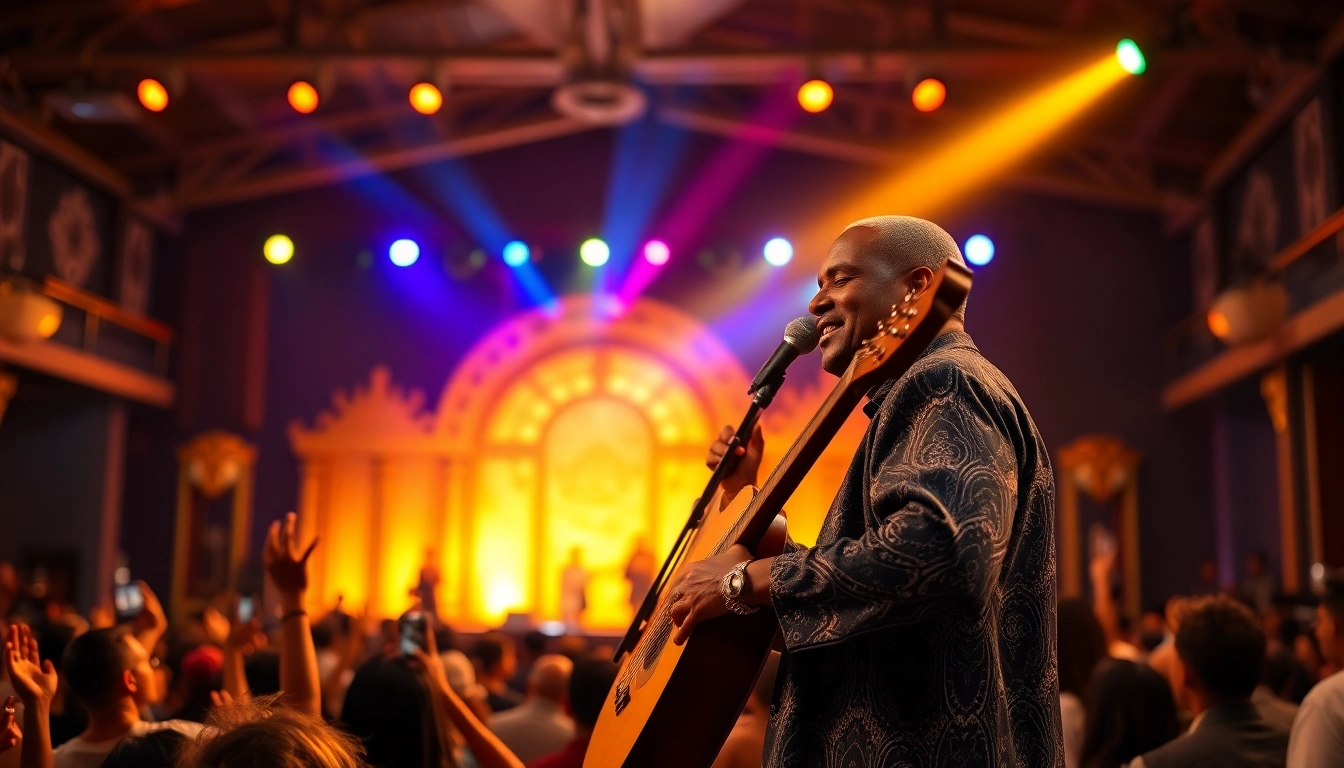
The Allure of Kora Live Performances
The mystique surrounding kora live performances transcends geographic boundaries, where melodies meld with cultural narratives and historical legacies. The kora, a traditional West African string instrument, holds a significant place in the cultural tapestry of the region, not just as a musical device but as a medium for storytelling and communal celebration. As we dive into the enchanting world of kora live performances, we unveil its layered significance, the sonic beauty it brings, and the essential considerations for hosting such enchanting events.
Understanding the Kora as a Cultural Instrument
The kora, with its unique structure combining a wooden neck with a gourd resonator, is a distinctive blend of a harp and a lute. Originating from the Mandinka people of West Africa, the kora is traditionally played by griots, the oral historians and musicians whose role extends far beyond mere entertainment; they are the custodians of heritage and culture.
Each string of the kora—typically 21 in total—has a story to tell, resonating with the memories of ancestors. When played, it emanates a sound characterized by both its rhythmic depth and melodic richness, reflecting the heart and soul of the communities it serves. The kora doesn’t just represent musical expression; it embodies a historical continuum that has undergone transformations through the years while remaining deeply rooted in African cultural identity.
The Role of Live Music in Cultural Expression
Live music serves as an essential form of cultural expression that fosters a collective identity. In the context of Kora performances, it integrates various art forms—dance, storytelling, and poetry—creating a sensory exploration that engages audiences on multiple levels. During live performances, the kora becomes a bridge connecting the past to the present, allowing modern audiences to engage with traditional narratives.
Furthermore, Kora performances contribute to the preservation of African heritage and are vital in promoting cultural exchange. Through festivals, workshops, and concerts, the instrument serves as a testament to the resilience and adaptability of African traditions, inviting global audiences to appreciate its beauty. Renowned Kora players often tour globally, bringing their heritage with them and enriching the musical landscape of different cultures.
Overview of Kora Live Events Worldwide
Kora live events have gained popularity around the globe, from intimate gatherings to large festivals celebrating African music. Events such as the Festival au Désert in Mali highlight the kora’s significance in broader Afro-centric music festivals, gathering diverse talent and audiences, promoting cultural diplomacy through music. International world music festivals, including WOMAD and the GlobalFEST, frequently feature Kora players, emphasizing the instrument’s global appeal.
Moreover, collaborations between Kora players and artists from various genres—like jazz, classical, and electronic music—exemplify its versatility. These performances create cross-cultural dialogues, where the kora finds a place in modern musical narratives while preserving its traditional essence.
Essential Elements of a Memorable Kora Live Experience
Choosing the Right Venue for Kora Performances
Selecting an appropriate venue is critical to the success of any live music event, particularly for Kora performances that thrive on atmosphere and acoustics. Venues should be carefully chosen based on their size, acoustics, and ambiance. Outdoor venues can mirror the kora’s traditional setting, where natural elements enhance the musical’s organic sound. Indoor venues, such as concert halls or cultural centers, often provide professional acoustics essential for showcasing the instrument’s subtleties. Factors like intimacy and audience capacity also determine the overall experience; smaller venues tend to foster a closer connection between performers and the audience.
Sound Engineering and Audio Equipment
Proper sound engineering is paramount to delivering an exceptional Kora live experience. The unique timbre of the kora requires careful amplification to translate its acoustics authentically. Professional sound engineers should be familiar with the instrument, ensuring that microphones are strategically placed to capture its nuances. Effective equipment, including high-quality microphones and speakers, guarantees the clarity and richness of the kora’s sound is preserved, safeguarding the audience’s immersive experience.
Additionally, using techniques such as line checks and sound checks well before the performance allows sound engineers to address potential issues, enhancing the sound quality for both performers and the audience.
Setting the Scene: Lighting and Ambiance
The atmosphere created by lighting and ambiance is another vital element that enhances the live Kora experience. The right lighting can evoke moods, highlight performers, and create visually appealing backdrops. Soft, warm lighting complements the serene sounds of the kora, facilitating a transcendent environment. Using spotlights can draw attention to individual musicians, emphasizing their artistry and engagement with the audience.
Beyond lighting, incorporating decorative elements that reflect West African culture—such as traditional fabrics, art pieces, and symbols—can strengthen the thematic connection of the event, deepening the audience’s appreciation for the Kora and its cultural roots.
Promoting Kora Live Events: Effective Strategies
Leveraging Social Media to Engage Audiences
In today’s digital landscape, leveraging social media can enhance the visibility of Kora live events. Platforms such as Instagram, Facebook, and TikTok serve as powerful tools for engaging diverse audiences. Creating visually appealing content—such as videos and images showcasing the Kora and its performance—can capture the attention of potential attendees. Live-streaming rehearsals or snippets of performances can also create buzz and anticipation leading up to the event.
Encouraging audience participation through contests, hashtags, and engaging posts can foster a sense of community, allowing fans to share their own experiences while promoting the event. Regular updates, behind-the-scenes content, and interactive elements (like Q&A sessions with artists) can make followers feel part of the experience before they even arrive at the venue.
Collaborating with Influencers and Local Artists
Collaboration with influencers and local artists can expand the reach of Kora live events significantly. Influencers with a passion for music and culture can introduce Kora performances to their followers, bringing new fans into the fold. Engaging local artists who might incorporate the Kora into their own styles can spark interest among diverse audiences, fostering cultural conversations.
Moreover, partnering with local businesses for cross-promotional opportunities—like offering early bird ticket discounts at local shops—can create a ripple effect, expanding community engagement and enhancing the local cultural landscape.
Creating Dynamic Content for Online Marketing
Dynamic content is critical when marketing Kora live events. Engaging blog posts, podcasts, and videos can tell the stories behind the performances, artists, and the Kora itself. Content that dives into the instrument’s history, the artists’ journeys, and even the cultural significance of the performances can establish a deep-rooted connection with potential attendees.
Utilizing SEO strategies by incorporating targeted keywords, maintaining a blog focused on Kora stories, and creating regular content updates can drive organic traffic, increasing the likelihood of a successful event turnout.
Common Challenges in Kora Live Performances
Weather and Outdoor Event Management
Outdoor events present challenges unique to live performances, particularly concerning unpredictable weather conditions. Rain, wind, extreme temperatures, and other weather conditions can disrupt performances and affect both audience comfort and equipment functionality. Planning for contingencies is essential—organizers should have alternative indoor venues or cover options available to ensure the show goes on, regardless of weather setbacks.
Further, employing proper gear and equipment designed for outdoor use—like waterproof covers and UV-protective gear for musicians—can help mitigate these challenges, ensuring both the performers and audience have a positive experience.
Technical Issues with Live Audio and Video
Technical issues can arise unexpectedly, creating potential disruptions during Kora live performances. Sound malfunctions, lighting failures, or video streaming problems can detract from the overall energy and engagement of the event. To minimize technical challenges, organizers should conduct thorough pre-performance technical rehearsals, ensuring all equipment is operational and sound checks are in place. Collaborating with experienced technical crews familiar with Kora performances can also add an extra layer of assurance.
Maintaining backup equipment on-site, such as additional microphones, speakers, and lights, also prepares organizers to tackle any unforeseen setbacks effectively, ensuring a smooth and engaging performance.
Engaging Diverse Audiences through Music
Engaging diverse audiences can pose a challenge, as musical preferences and cultural backgrounds vary widely. Kora performances offer a unique opportunity for cross-cultural engagement; however, targeting the right audience segments is essential. Implementing outreach strategies that focus on community engagement, collaborations with other genres, and integrating contemporary elements into performances can broaden appeal.
Offering educational components, such as workshops or Q&A sessions before performances, can also attract those unfamiliar with Kora and encourage inclusivity. Crafting meaningful narratives around performances that resonate with universal themes—such as love, struggle, and resilience—can strike a chord with diverse audiences, fostering connection through music.
Measuring Success: Performance Metrics for Kora Live Events
Audience Feedback and Post-Event Surveys
Measuring the success of Kora live performances requires careful evaluation of audience feedback. Conducting post-event surveys allows organizers to gather insights into attendee experiences, preferences, and areas for improvement. Platforms like SurveyMonkey or Google Forms can facilitate this process, encouraging audience participation through incentives, such as discounts for future events or exclusive content access.
Analyzing feedback can illuminate trends in audience interests, enabling event organizers to tailor future performances accordingly. By prioritizing audience insights, Kora performances can continuously evolve, ensuring they resonate with changing tastes and cultural dynamics.
Analyzing Ticket Sales and Attendance Rates
Ticket sales serve as a primary indicator of success for live events. Tracking and analyzing sales trends, peak purchasing times, and demographic data can illuminate audience engagement and overall interest in Kora performances. Understanding which marketing channels drive ticket sales allows organizers to refine their promotional strategies for future events.
Furthermore, attendance rates are also crucial—not just counting heads but analyzing audience demographics, participation levels, and engagement can provide invaluable insights into the broader impact of live Kora performances.
Using Social Media Insights for Future Events
Social media analytics provide a wealth of data that can inform future Kora live performances. Metrics such as post engagement, follower growth, and audience interaction rates can shed light on which promotional strategies resonated most with audiences. By monitoring trends within these channels, organizers can tailor their approach, refining messaging and content strategy based on audience preferences.
Ultimately, leveraging social media insights to adjust marketing strategies, engage with audiences, and create compelling content can foster loyalty and increase turnout for future events, reinforcing the Kora’s place in the ever-evolving music landscape.