
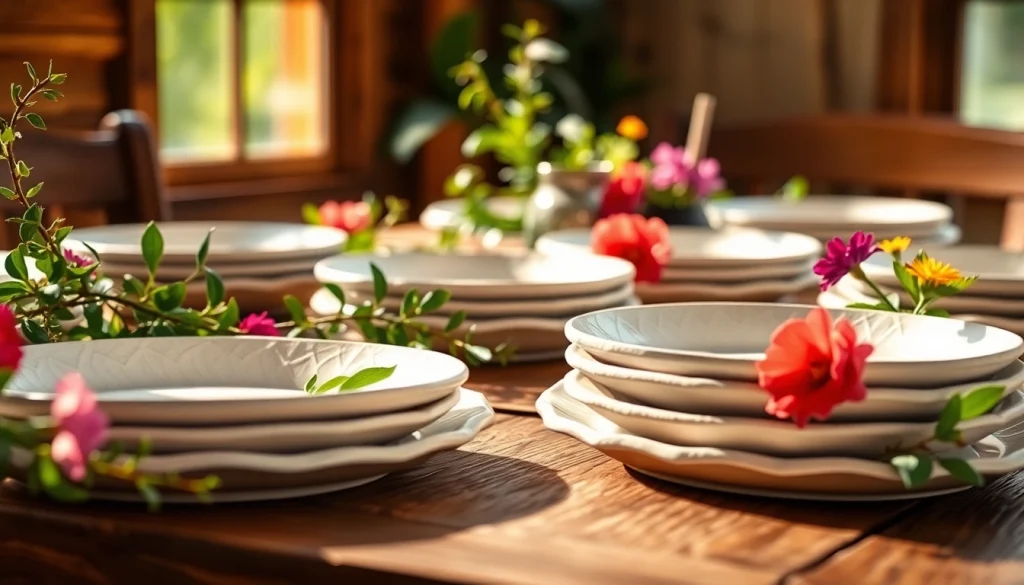
Understanding Compostable Paper Plates
What Are Compostable Paper Plates?
Compostable paper plates are eco-friendly dining solutions designed to break down naturally and return to the earth, contrasting sharply with traditional plastic and styrofoam plates that can take centuries to decompose. Comprised of organic materials, these plates are designed to be disposed of in a composting system, where they biodegrade into nutrient-rich compost. As people grow more environmentally conscious, the demand for such sustainable options has surged, making compostable paper plates a popular choice for gatherings, parties, and events. They bridge convenience and environmental responsibility, allowing consumers to enjoy the benefits of disposable tableware without the long-term ecological implications. compostable paper plates also align with the growing zero-waste movement, encouraging mindful consumption and responsible waste disposal practices.
Materials Used in Compostable Paper Plates
Compostable paper plates are primarily made from renewable resources such as:
- Sugarcane Fiber: Derived from the byproducts of sugar production, sugarcane fiber plates are sturdy and designed for single-use without compromising on strength.
- Wood Pulp: This material comes from sustainably harvested forests, ensuring a renewable source of production while offering durability.
- Bamboo: Known for its rapid growth, bamboo provides a natural and biodegradable option that can withstand hot foods.
- Bagasse: The fibrous material left over after sugar extraction from sugarcane, bagasse makes for a sustainable alternative to traditional paper plates.
Each of these materials contributes not only to the physical properties of the plates but also to their environmental impact, allowing users to make choices that benefit both their gatherings and the planet.
Benefits of Choosing Compostable Paper Plates
The shift towards compostable paper plates offers several key benefits:
- Environmental Impact: The primary advantage of compostable plates is their reduced environmental footprint. Unlike plastic, they break down naturally, contributing to soil health.
- Convenience: Compostable paper plates provide the ease of disposability similar to regular plates, eliminating the need for washing dishes post-event.
- Health and Safety: Made from natural materials, these plates are free from harmful chemicals often found in traditional plates, ensuring safer dining experiences.
- Customizability: They offer numerous options in terms of design and size to match various event themes and personal preferences.
With these clear advantages, compostable paper plates emerge as a smart choice for individuals and organizations committed to sustainability.
How to Select the Right Compostable Paper Plates
Factors to Consider When Buying
Choosing the right compostable paper plates involves considering various factors that cater to your specific needs:
- Size: Assess the portion sizes you intend to serve. Plates are available in different diameters, so select sizes appropriate for your meals.
- Material: Evaluate the material based on your event’s requirements—bamboo for sturdiness or sugarcane for versatility, for example.
- Certification: Opt for plates that carry certifications like BPI (Biodegradable Products Institute) or ASTM D6400 to ensure they meet standards for compostability.
- Usage Context: Take into account whether the plates will hold hot or cold food and choose products designed for such applications.
By factoring in these considerations, you can ensure that your selection aligns with your event’s needs and eco-friendly objectives.
Size and Style Options for Events
For anyone planning a gathering or event, the size and style of compostable paper plates play a significant role in the overall aesthetic and functionality:
- Sizes: Common sizes include 9-inch, 10-inch, and even larger options suitable for dinner plates. Smaller plates can be used for appetizers or desserts.
- Styles: Available in plain and printed designs, plates can complement your event’s theme, adding visual appeal while remaining eco-conscious.
- Specialty Plates: Consider options like compartmentalized plates for meals that need separation or deep-dish plates for saucy dishes.
With a variety of choices, you can select compostable paper plates that fit perfectly within your event’s design and functionality.
Cost-Effectiveness of Compostable Paper Plates
The cost-effectiveness of compostable paper plates is often a concern for event planners. Although they might be slightly pricier than conventional disposable plates, several factors must be considered:
- Bulk Purchase Discounts: Many suppliers offer discounts for bulk purchases, reducing the overall cost per plate significantly.
- Reduced Cleanup Costs: Disposable plates eliminate the need for extensive post-event cleanup, saving both time and labor costs.
- Long-term Environmental Savings: Using compostable options fosters positive community perceptions and can even enhance a brand’s reputation, yielding long-term financial benefits.
When considering these aspects, the overall value proposition of compostable paper plates becomes clear, making them a financially sound decision for environmentally conscious consumers and businesses alike.
Using Compostable Paper Plates for Events
Planning Your Event with Sustainable Choices
Integrating sustainable options such as compostable paper plates into your event planning involves thoughtful consideration:
- Theme Integration: Choose plates that fit seamlessly into your event’s theme—natural, rustic, or contemporary—all while showcasing an eco-friendly ethos.
- Complete Eco-friendly Setup: Pair plates with compostable utensils, cups, and napkins to minimize waste and reinforce your commitment to sustainability.
- Guest Education: Inform guests about the compostable nature of your tableware—adding signage can promote mindfulness and encourage proper disposal.
These strategies can enhance your event while promoting sustainable choices and practices among your attendees.
Combining Compostable Paper Plates with Other Eco-friendly Products
For a comprehensive approach to sustainability at your events, consider pairing compostable paper plates with other eco-friendly products:
- Biodegradable Utensils: Opt for utensils made of plant-based materials, such as cornstarch or bamboo, that can decompose alongside your plates.
- Compostable Cups: For beverages, provide cups manufactured from paper or plant materials designed for composting, completing your eco-friendly setup.
- Recycling Stations: Set up clearly labeled bins for compostable waste, recycling materials, and trash, ensuring proper disposal.
This integrated approach will not only improve guest experiences but also demonstrate a holistic commitment to environmental sustainability.
Creative Ways to Style Your Table Setting
Styling your table with compostable paper plates can reflect creativity and intent. Here are some ideas:
- Nature-inspired Decor: Incorporate natural elements like leaves, flowers, or wood to enhance the biodegradable essence of your plates.
- Color Coordination: Choose plate colors that align with your overall palette—neutral tones can add elegance while vibrant colors can energize the atmosphere.
- Personal Touches: Create unique place cards or hand-written menus directly on the plates for a thoughtful, immersive experience.
These simple yet effective styling ideas can transform a basic setup into an engaging and memorable dining experience.
Composting Your Paper Plates: An Essential Guide
How to Properly Dispose of Compostable Paper Plates
Understanding how to dispose of compostable paper plates correctly is vital for maximizing their environmental benefits:
- Check for Coatings: Ensure your plates are free from plastic coatings or harmful materials that can hinder compostability.
- Composting Bins: Place your plates in designated composting bins, ensuring they mix well with other organic waste.
- Follow Local Guidelines: Be aware of your local composting regulations, as not all municipalities have composting facilities.
By adhering to these disposal guidelines, you can contribute positively to the composting process.
Composting vs. Landfilling: The Environmental Impact
The choice between composting and landfilling has significant implications for the environment:
- Decomposition Process: In landfills, organic materials like compostable paper plates generate methane, a potent greenhouse gas. Meanwhile, composting facilitates aerated decomposition, yielding useful compost.
- Soil Enrichment: Composted materials nourish the soil, promoting healthy ecosystems. In contrast, landfills contribute to soil degradation.
- Waste Reduction: Composting diverts waste from landfills, reducing landfill strain and prolonging their lifespan.
This clear distinction underscores the importance of choosing composting as a waste management strategy, particularly when using compostable products.
Steps to Start Your Home Composting System
Starting your own composting system can be a rewarding endeavor that complements the usage of compostable paper plates:
- Choose a Compost Bin: Decide between a traditional compost bin or a worm composting system based on the space you have.
- Layering Materials: Begin with a base of coarse materials like twigs, then alternate layers of brown (carbon-rich) and green (nitrogen-rich) materials, adding your compostable paper plates.
- Maintain Moisture: Keep the compost pile adequately moist but not soggy; this helps maintain active microbial breakdown.
- Turn the Pile: Regularly aerate the compost by turning it with a pitchfork; this enhances decomposition speed.
- Harvest the Compost: After several weeks to a few months, your compost will be ready to enrich your garden soil.
Starting a composting system is a proactive step towards sustainability, enhancing your gardening efforts and making better use of compostable materials.
Frequently Asked Questions About Compostable Paper Plates
Are Compostable Paper Plates Truly Compostable?
Yes, compostable paper plates made from materials like sugarcane or bamboo can decompose in composting conditions, unlike traditional plastic plates that last for decades.
Can I Use Compostable Paper Plates for Hot Foods?
Absolutely! Many compostable paper plates are specifically designed to hold hot foods without losing their structural integrity.
Where Can I Buy Compostable Paper Plates in Bulk?
Compostable paper plates are widely available for bulk purchase from online retailers, eco-friendly suppliers, and various grocery or specialty stores.
What Makes Compostable Paper Plates Different From Biodegradable Plates?
While both terms involve materials that break down, compostable paper plates must meet specific standards to decompose within a designated timeframe, unlike general biodegradable items.
How Should I Store Compostable Paper Plates?
Store compostable paper plates in a dry, cool place away from direct sunlight to maintain their quality and ensure they remain effective for use.