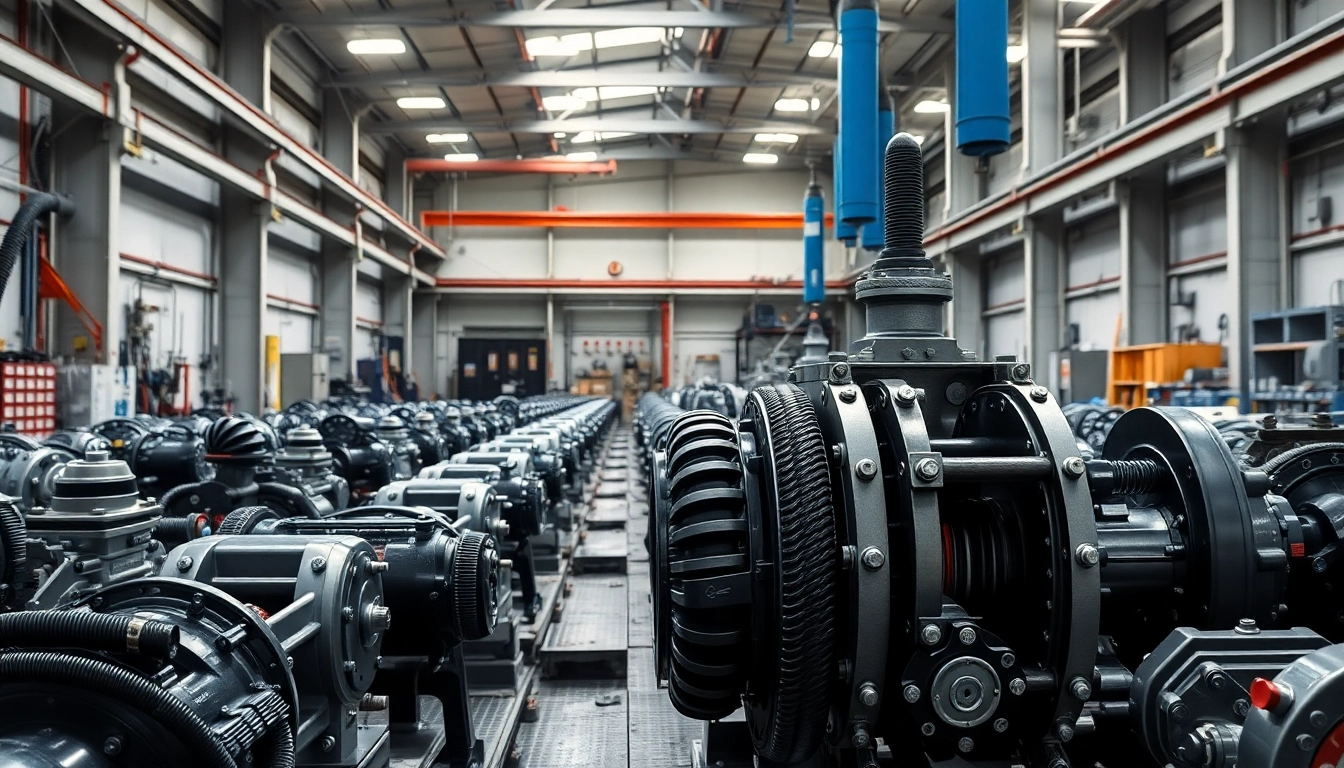
Introduction to Fluid Power Systems
Fluid power systems are an essential component in many industrial processes, leveraging the mechanics of fluid dynamics to achieve efficient energy transmission and control. Whether in manufacturing setups, construction machinery, or aerospace applications, these systems play a multifaceted role. By utilizing pressurized fluids, they offer a highly efficient means of power transmission. This article will explore fluid power systems in detail, from their core components to their wide-ranging applications and the challenges they face in modern usage. If you’re interested in how these systems operate, you can find more about fluid power systems and their intricacies in subsequent sections.
Key Components of Fluid Power Systems
Pumps: The Heart of the System
Pumps serve as the driving force in fluid power systems, converting mechanical energy into hydraulic power. They do this by generating pressure in the fluid, enabling it to flow through the system. The two primary types of pumps are positive displacement pumps and dynamic pumps. Positive displacement pumps, such as gear and piston pumps, work by trapping a fixed amount of fluid and forcing it through the system. Dynamic pumps, like centrifugal pumps, impart velocity to the fluid, converting it to pressure. The choice of pump significantly affects system efficiency and performance.
Valves and Actuators Explained
Valves regulate the flow and direction of the hydraulic fluid within the system. They control the start, stop, and speed of fluid flow, and can be manually operated or automatically controlled through electronic mechanisms. Actuators, on the other hand, convert the hydraulic energy back into mechanical energy. There are primarily two types of actuators: hydraulic cylinders and hydraulic motors. Hydraulic cylinders convert fluid pressure into linear motion, while hydraulic motors do so into rotary motion. Understanding their design and function is crucial for optimizing the performance of fluid power systems.
Fluid Reservoirs and Filtration
A fluid reservoir is vital for storing the hydraulic fluid and serves to maintain a steady supply to the system. The reservoir must be designed to minimize contamination and maintain temperature control. Filtration systems play a critical role here, as they prevent particles from entering the hydraulic circuit. The type and specification of filters can have a significant impact on both maintenance and efficiency; hence, they must be regularly monitored and replaced according to the manufacturer’s guidelines.
Applications of Fluid Power Systems
Industrial Automation Use Cases
Fluid power systems are pivotal in industrial automation, where they are employed for operating machines like conveyor belts, robotic arms, and press systems. The flexibility they offer allows for precise control over speed and motion, crucial for tasks requiring a high level of accuracy. For instance, hydraulic presses that rely on fluid power can exert immense force on materials while maintaining fine control of the pressing cycle, making them indispensable in manufacturing settings where consistent quality is paramount.
Aerospace and Aviation Solutions
The aerospace sector is another domain where fluid power systems demonstrate their robust capabilities. From operating landing gear to controlling wing flaps and trims, hydraulic systems are vital to aircraft functionality and reliability. The need for lightweight components and durability translates into the development of advanced materials and hydraulic fluids, ensuring peak performance even under harsh conditions. Fluid power technology continues to evolve within aviation, enhancing aircraft safety and efficiency.
Fluid Power in Construction Equipment
In construction, fluid power systems are utilized extensively for machinery such as excavators, bulldozers, and cranes. These systems offer significant advantages such as high power-to-weight ratios and extend operational capabilities over mechanical systems. The hydraulic systems enable precise control of machinery’s movements, allowing for complex construction tasks, such as digging and lifting, to be performed with ease. As urbanization accelerates, the role of fluid power in construction will only become more critical.
Challenges in Fluid Power Systems
Common Issues and Their Solutions
While fluid power systems are efficient, they are not without challenges. Common issues include hydraulic leaks, overheating, and contamination. Leaks can lead to performance loss and environmental concerns. Regular maintenance schedules to inspect hoses and connections can mitigate leaks. Overheating can be addressed by ensuring adequate cooling systems are in place, while contamination can be managed through appropriate filtration solutions. Prompt identification and repair of these issues can prolong system life and maintain efficiency.
Cost Considerations for Implementation
The selection and implementation of fluid power systems can entail significant initial costs, particularly in procurement and setup. However, these costs need to be weighed against the long-term benefits of efficiency, reduced operational expenses, and maintenance needs. Organizations often find that investing in high-quality components leads to lower operational costs over time, enhancing overall fiscal performance. Moreover, fluid power systems generally consume less energy compared to their electric counterparts, adding an additional layer of cost-effectiveness.
Maintenance Practices for Longevity
To extend the lifespan of fluid power systems, regular and systematic maintenance is paramount. This includes ongoing monitoring of fluid levels, regular inspection of hoses and seals for wear, timely replacement of filters, and ensuring that proper fluid types are used. Implementing predictive maintenance technologies, such as condition monitoring and data analysis, can further enhance reliability by allowing operators to address potential failures before they lead to significant downtime.
The Future of Fluid Power Systems
Innovations and Emerging Technologies
The fluid power industry is experiencing an evolution marked by significant innovations. Electrification of hydraulic components, such as electric-hydraulic drives, is a growing trend, allowing more energy-efficient operations and precise control. Additionally, the integration of smart sensors and IoT technologies enhances system monitoring and data collection, leading to informed decision-making processes and more efficient operations. Adoption of machine learning algorithms aids in predictive maintenance, further improving reliability and system uptime.
Environmentally Sustainable Practices
As global awareness of environmental issues increases, fluid power systems are also adapting. The focus is shifting toward more sustainable practices, including the use of biodegradable fluids and advanced filtration systems to minimize waste and environmental impact. Efforts in recycling hydraulic fluid and components, along with improving energy efficiency in hydraulic systems, demonstrate a comprehensive approach to sustainability in the industry. Continuous evaluation and adjustment of practices will play a crucial role in aligning with global sustainability goals.
Conclusion: The Ongoing Relevance of Fluid Power
Fluid power systems remain a fundamental aspect of modern engineering and industrial processes. Their capacity for delivering significant force and accurate control, combined with ongoing innovations, positions them well for future demands. As industries evolve, so too will fluid power technology, adapting to meet new challenges and opportunities within a changing economic and environmental landscape. Ultimately, the continued relevance of fluid power systems can be attributed not only to their historical significance but also their future potential in driving efficient and sustainable industrial solutions.
FAQs about Fluid Power Systems
What are fluid power systems mostly used for?
Fluid power systems are primarily used for controlling machinery and equipment in sectors like manufacturing, aerospace, and construction.
How do fluid power systems work?
Fluid power systems operate using pressurized fluids to transmit energy, which enables movement and control of mechanical components.
What maintenance do fluid power systems require?
Regular maintenance includes checking fluid levels, inspecting hoses for leaks, and ensuring filters are cleaned or replaced periodically.
Are fluid power systems cost-effective?
While initial costs can be high, their efficiency and low maintenance needs often make fluid power systems cost-effective in the long run.
What innovations are being seen in fluid power technology?
Recent innovations include electric-hydraulic drives, smart sensor integration, and advancements in fluid analysis for better performance.