
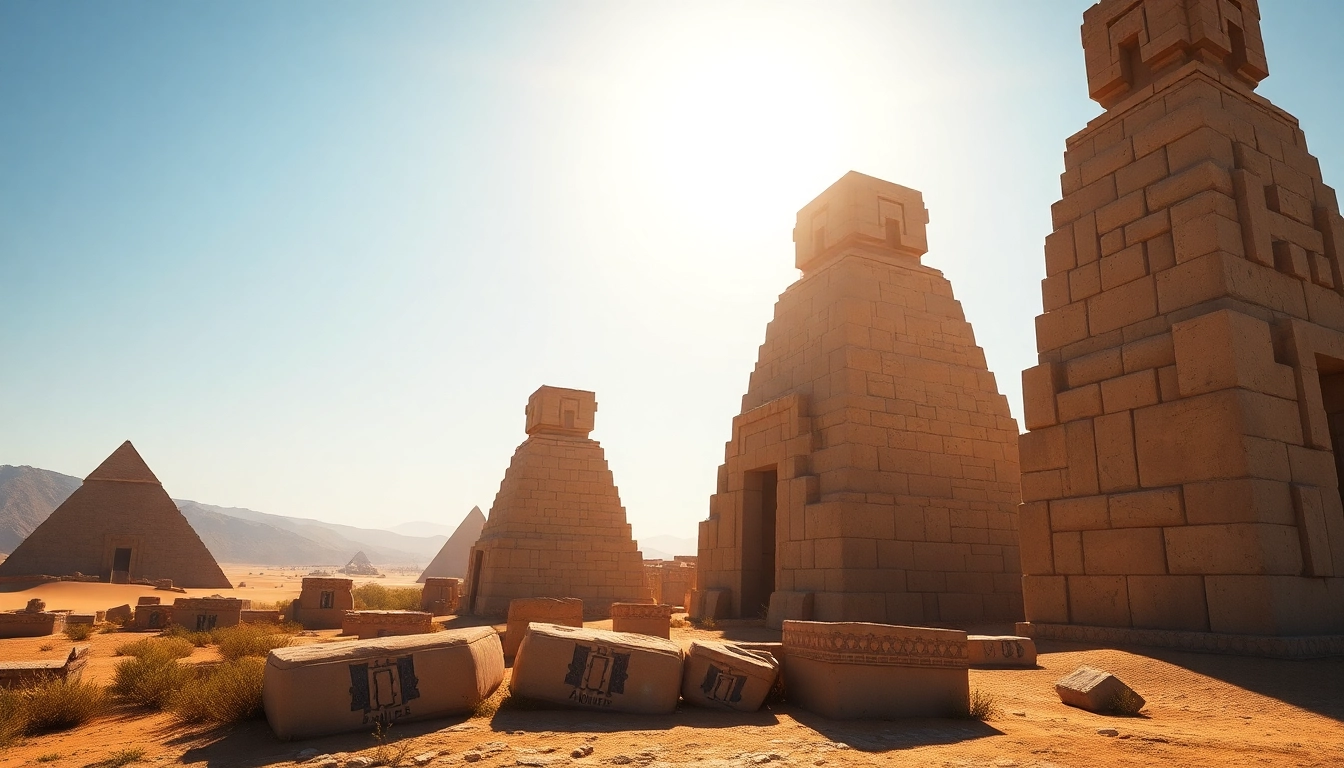
Introduction to Pyraminds
Pyramids, particularly those associated with ancient civilizations, are some of the most extraordinary structures ever built. They symbolize human ingenuity, a profound understanding of geometry, and an intimate connection to the divine. The piraminds have been the focus of fascination for historians, archaeologists, and tourists alike. This article aims to delve deep into various aspects of the pyramids, including their definitions, historical contexts, cultural significance, construction methods, and current conservation efforts.
Definition and Historical Context
Pyramids are monumental structures that exhibit a square or rectangular base and taper towards a point at the top, often representing a connection between the earthly realm and the divine. Historically, the most famous pyramids were built in ancient Egypt, notably during the Old and Middle Kingdom periods, primarily as tombs for pharaohs. The Egyptian pyramids set an architectural precedent, influencing various cultures around the world. The pyramids serve not just as burial sites; they were also part of a larger funerary complex, which included temples and other structures designed for the rituals of the afterlife.
Geographical Distribution and Variants
While pyramids are often synonymous with Egypt, they exist globally and come in various forms and styles. In Egypt alone, the Pyramids of Giza, including the Great Pyramid of Khufu, are the most recognized. Beyond Egypt, significant pyramids can be found in Mesoamerica, such as the Pyramid of the Sun in Teotihuacan and the step pyramids of the Maya. The Nubian pyramids, located in present-day Sudan, display distinctive architectural features that set them apart from their Egyptian counterparts. Each of these structures offers insights into the cultures that created them.
Architectural Features of Pyraminds
The architectural design of pyramids showcases ingenuity. The step pyramid, such as the Pyramid of Djoser, introduces a new architectural style characterized by a series of stacked levels. Conversely, true pyramids, like those found at Giza, flaunt smooth sides that converge at the apex. These structures were not just aesthetic; they were structurally significant, employing precise mathematical calculations and alignment with celestial bodies. The materials used varied by region, with limestone and granite being predominant in Egypt, while the Mesoamerican pyramids often utilized adobe and volcanic stone.
The Cultural Significance of Pyraminds
Symbolism in Ancient Civilizations
The pyramid shape is a powerful symbol in many ancient cultures. In Egypt, it represented the rays of the sun and served as a means for pharaohs to ascend to the heavens. The pyramids’ alignment with stars and celestial bodies underscores their spiritual significance, as they were designed not only as tombs but as gateways for the afterlife. In Mesoamerica, the pyramids were often used for religious ceremonies and sacrifices, showcasing the intertwining of architecture and spirituality.
Religious and Mythological Associations
Pyramids possess profound religious significance across different cultures. In ancient Egypt, they were intimately associated with the beliefs surrounding the afterlife and resurrection. The pharaohs, believed to be divine, were buried within these monumental tombs, equipped with everything needed for the afterlife, including treasures and offerings. In contrast, Mesoamerican pyramids often served as temples for the deities, reflecting the rich mythology surrounding their civilizations, where gods were believed to reside within these structures.
Modern Interpretations and Representations
In contemporary society, pyramids are representations of strength, protection, and spiritual wisdom. They are often incorporated into various forms of art, literature, and architecture, symbolizing stability and continuity. The fascination with piraminds extends to tourism, where millions flock to see these historical wonders. Moreover, modern interpretations in various media often romanticize the historical contexts of these structures, fueling further intrigue and exploration.
Construction Techniques of Pyraminds
Materials Used in Construction
The construction of pyramids necessitated the use of various materials which were often locally sourced. In Egypt, limestone was primarily used for the outer casing, while granite was utilized for the inner chambers, due to its durability and aesthetic appeal. The construction techniques involved not just stacking blocks but also intricate alignment and leveling. Understanding the geological properties of the materials helped builders create these lasting monuments. In other regions, such as Mesoamerica, adobe bricks, which were easier to manufacture and transport, were utilized for their constructions.
Labor Force and Workforce Theories
The labor force behind the pyramids has historically been a topic of intense debate and research. Contrary to the popular notion of slavery, evidence suggests that skilled laborers, often organized in work gangs, constructed these monumental structures. They were likely seasonal workers, engaging in pyramid construction during the Nile’s flooding season when agricultural activities were paused. The labor force was complemented by architects, engineers, and artisans who ensured the precision and aesthetic quality of the pyramids.
Innovative Engineering Techniques
The engineering techniques employed in the construction of pyramids were advanced for their time. Techniques included leveraging ramps for transporting heavy stone blocks, precise measurements using simple tools, and utilizing mathematical ratios to achieve perfect angles. The internal chambers and tunnels of the pyramids presented engineering challenges that were ingeniously solved by skilled designers. For example, the gradual transition from the step pyramid to the true pyramid required a significant evolution in engineering methodologies, showcasing an innovative approach to construction over the centuries.
Conservation and Research of Pyraminds
Archaeological Discoveries and Findings
The study of pyramids continues to yield fascinating archaeological discoveries. Excavations often reveal hidden chambers, burial artifacts, and inscriptions that provide insights into the cultural and historical contexts surrounding these structures. Recent technologies, such as ground-penetrating radar and 3D imaging, have expanded our understanding by uncovering features without intrusive excavation. Researchers regularly publish findings that deepen the understanding of the social, political, and religious implications of pyramids throughout history.
Conservation Efforts and Challenges
Preserving the pyramids poses numerous challenges concerning environmental factors, pollution, and tourism. Conservation efforts involve restoring structural integrity, protecting against erosion, and managing visitor access. Furthermore, various organizations work actively to promote awareness of the importance of preserving such monumental sites. The balance between tourism and conservation remains a delicate task, necessitating proactive management to ensure the pyramids can be appreciated by future generations.
The Role of Technology in Research
Technological advancements have revolutionized the field of archaeology and pyramid studies. Techniques such as laser scanning, thermography, and digital modeling provide researchers with tools to analyze these ancient structures thoroughly without causing damage. These technologies facilitate non-invasive exploration, leading to new discoveries that enrich historical narratives. Furthermore, collaboration between scientists, engineers, and historians has resulted in groundbreaking research, enabling a holistic understanding of the pyramids.
Conclusion and Future Perspectives
Current Trends in Pyramid Studies
As we move into the future, pyramid studies continue to evolve, focusing increasingly on interdisciplinary approaches. The integration of technology with traditional archaeology has unveiled new dimensions of understanding. Researchers are now exploring not only the architectural grandeur of pyramids but also their socio-economic and political implications within ancient societies.
Global Interest and Tourism Impact
The global fascination with pyramids is undeniably part of their lasting impact on culture and tourism. Iconic sites attract millions of visitors each year, driving local economies but also presenting challenges in terms of preservation. As more people become interested in the history behind these structures, there’s a growing emphasis on responsible tourism practices that allow for sustainable exploration of these ancient wonders.
Final Thoughts on Pyraminds
The piraminds stand as monumental testaments to human achievement and architectural innovation. Their historical, cultural, and scientific significance cannot be overstated, as they continue to spark intrigue and motivate research across various fields. As we strive to unravel more of their mysteries, it’s essential to recognize their importance and ensure their preservation for future generations.
FAQs about Pyraminds
What are the main styles of piraminds?
Piraminds are primarily categorized into true pyramids, step pyramids, and bent pyramids, each marked by unique architectural characteristics.
Who built the famous piraminds of Egypt?
The Egyptian piraminds were constructed by skilled laborers and architects under the patronage of pharaohs as monumental tombs.
How were the piraminds aligned with the stars?
Piraminds frequently exhibited astronomical precision, aligning with key stars and constellations, which were significant in ancient Egyptian culture.
Why do piraminds still capture global fascination?
The impressive size, historical relevance, and enduring mysteries surrounding their construction continue to captivate researchers and tourists worldwide.
What are the main threats to existing piraminds?
Piraminds face threats from pollution, overtourism, and natural erosion, necessitating ongoing conservation efforts to preserve these ancient marvels.
About the Author