Understanding PPF Winter Road Salt Protection
As winter approaches, vehicle owners recognize the increasing threat posed by harsh weather elements, especially road salt. While road salt is commonly used to de-ice roadways, it can wreak havoc on a vehicle’s exterior and paint job. This is where PPF winter road salt protection becomes crucial. In this article, we’ll explore what Paint Protection Film (PPF) is, why winter protection is vital, and how PPF effectively combats the effects of road salt.
What is PPF?
Paint Protection Film (PPF) is a transparent, durable urethane film applied to a vehicle’s exterior surfaces to protect against chips, scratches, and environmental contaminants. Initially developed for military use, PPF has become widely adopted in the automotive industry for its ability to preserve a vehicle’s appearance. The film is designed to self-heal minor scratches and abrasions, providing a protective barrier that keeps the paint looking fresh and new.
Importance of Winter Protection
During winter, the use of road salt is critical for safety, but this creates a dual challenge for car owners. Salt can cause corrosion, rust, and paint deterioration over time, particularly on vehicles exposed to salted roads. Protection from winter elements like snow, ice, and road salt is paramount for maintaining the integrity of your vehicle’s bodywork. PPF offers an effective solution to prevent these damages, ensuring your vehicle looks great season after season.
How PPF Works Against Road Salt
PPF acts as a shield against road salt deposits that can cling to the vehicle’s surface. When the film is applied correctly, it forms a strong, impermeable barrier. This barrier not only prevents salt from coming into direct contact with the paint, but it also minimizes oxidation and corrosion. Additionally, the self-healing property of PPF allows it to recover from minor wear and tear, making it an ideal option for keeping vehicles pristine even during the harshest winter conditions.
Choosing the Right PPF for Winter
Types of PPF Available
When selecting a Paint Protection Film for winter, there are several types available, each with its unique features:
- Standard PPF: Offers basic protection against chips and scratches.
- Self-Healing PPF: Contains properties that allow the film to ‘heal’ itself from minor scratches when exposed to heat.
- Matte PPF: Provides a non-reflective surface, ideal for matte-finished vehicles, while still offering protection.
- Ceramic Coated PPF: Adds an extra layer of chemical resistance and enhances hydrophobic properties, making cleaning easier.
Factors to Consider
Choosing the right PPF involves considering a few key factors:
- Durability: Look for films designed specifically for high-impact areas prone to damage.
- Clarity: Ensure the film is transparent and doesn’t alter the vehicle’s aesthetic.
- Self-Healing Properties: Opt for PPF with self-healing technology for minor scratches.
- Thickness: Thicker films provide better protection but may be harder to install.
Expert Recommendations
Industry professionals recommend choosing PPF that is specifically rated for winter conditions. Look for options with warranties that cover environmental damage. Consulting with installation experts can also guide you toward products that best suit your vehicle’s needs and your driving habits.
Installation Process for PPF
Preparing Your Vehicle
Before installing PPF, thorough preparation of your vehicle is essential:
- Clean the Surface: Wash the vehicle to remove dirt and grime. Any contaminants can compromise the adhesion of the film.
- Inspect for Damage: Repair any existing scratches or dents; applying PPF over these flaws may lead to further complications.
- Dry Thoroughly: Ensure that the vehicle is completely dry to prevent moisture from getting trapped under the film during installation.
Professional vs. DIY Installation
While DIY installation may seem appealing for cost savings, professional installation offers several advantages. Professionals have access to high-quality tools and materials, ensuring a perfect fit and reduced risk of bubbles or creases. However, if you choose to install PPF yourself, there are many online resources and kits available to help novices get started.
Common Installation Mistakes
Several common mistakes can occur during PPF installation, including:
- Bubbles: Not using a squeegee effectively can lead to trapped air.
- Improper Alignment: Failing to align the film correctly can cause issues with coverage and aesthetics.
- Insufficient Surface Prep: Skipping the cleaning step can result in poor adhesion and premature lifting.
Maintaining PPF during Winter
Cleaning and Care Tips
To ensure the longevity of your PPF during winter, follow these cleaning and care tips:
- Wash Regularly: Clean the PPF surface regularly to remove road salt and grime.
- Avoid Harsh Chemicals: Only use pH-balanced car shampoos to avoid damaging the film.
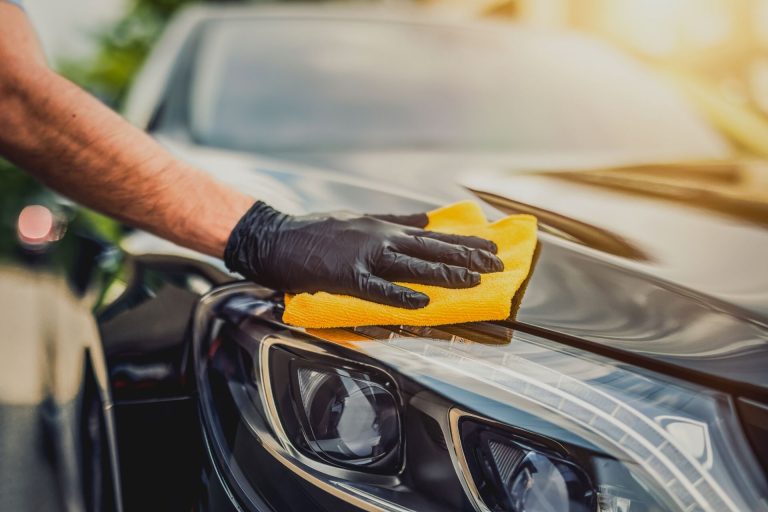
- Dry Properly: After washing, dry your vehicle with a microfiber towel to prevent water spots.
Inspecting for Damage
Regular inspections are essential for early detection of any issues. Look for signs of peeling or lifting at the edges. Check for scratches and assess whether they are deep enough to require professional treatment. Regularly inspecting your PPF helps maintain its protective qualities.
Winter Storage Practices
If you plan to store your vehicle during winter, consider the following practices:
- Indoor Solutions: Store the vehicle in a climate-controlled garage if possible to avoid extreme temperature fluctuations.
- Cover Properly: Invest in a breathable car cover to protect from dust and scratches.
- Maintain Battery Health: Use a trickle charger to keep the battery charged during storage.
FAQs about PPF Winter Road Salt Protection
How long does PPF last in winter?
PPF can last up to 10 years, depending on the quality of the film and the conditions of use. Regular maintenance and cleaning can extend its lifespan significantly.
Is PPF worth the investment?
Yes, investing in PPF can save owners from costly paint repairs over time, offering excellent long-term protection against chips and environmental damage.
Can PPF be removed and reapplied?
Yes, PPF can be safely removed by professionals without damaging the paint underneath. It can also be reapplied if needed.
Does PPF change a vehicle’s appearance?
High-quality PPF is designed to be nearly invisible, preserving the vehicle’s original look while providing protection from damage.
How often should I clean PPF?
For optimal maintenance, clean your PPF every one to two weeks, especially in winter months when road salt is prevalent.
About the Author