
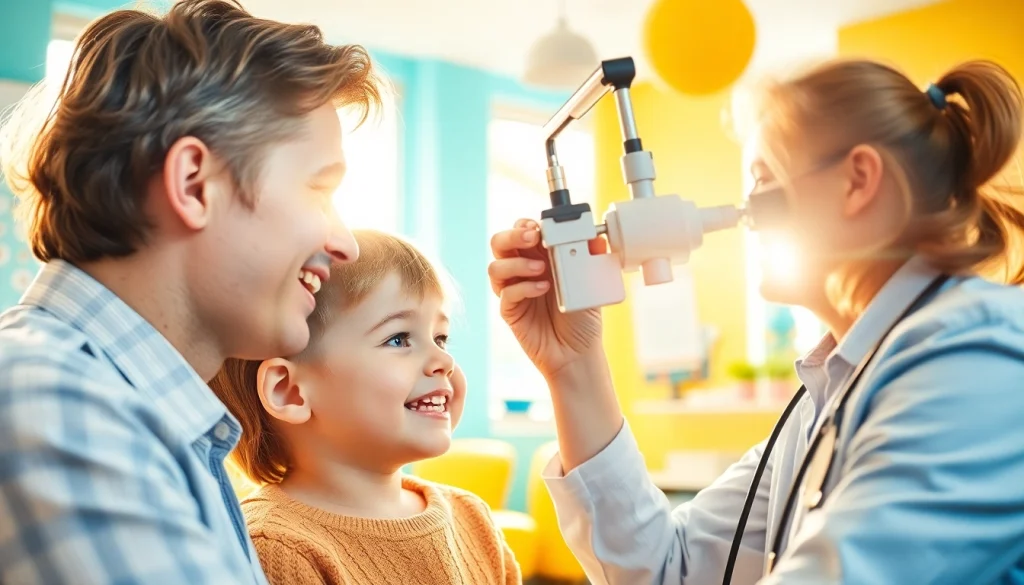
The Importance of Eye Health in Children
When it comes to childhood development, eye health plays a pivotal role. Every child deserves clear vision, as it is foundational not only for academic success but also for overall well-being. Unfortunately, studies have shown that millions of children worldwide suffer from unaddressed vision problems, leading to detrimental effects on their education and social skills. This pressing issue has led organizations and initiatives to step up their efforts in promoting eye health, such as Our Children’s Vision, which aims to advocate for sustainable eye care initiatives for children across the globe.
Understanding Common Vision Problems
Children can face a variety of vision problems, some of which may go unnoticed without proper screening. Common issues include:
- Myopia (Nearsightedness): This condition affects a child’s ability to see distant objects clearly, while near vision remains unaffected. Myopia is increasingly prevalent, especially with the rise of digital device utilization.
- Hyperopia (Farsightedness): Opposite to myopia, hyperopia causes difficulty in seeing nearby objects, which can affect reading and other close-range activities.
- Amblyopia (Lazy Eye): This occurs when one eye has a significantly poorer vision than the other and may lead to permanent vision loss if not treated early.
- Strabismus (Crossed Eyes): A condition where the eyes do not align properly, leading to double vision or impaired depth perception.
Understanding these conditions is crucial, as early detection and intervention can lead to much better outcomes for children’s eye health.
Impact of Poor Vision on Development
Poor vision can have lasting consequences on a child’s development. Research indicates that vision impairment is linked to learning difficulties, low academic performance, and even higher rates of behavioral issues. Children with untreated vision problems may struggle to read, participate in class, or engage in play, leading to frustration and social isolation. Additionally, the emotional toll of poor vision can manifest as low self-esteem and decreased motivation. Ensuring that children receive regular eye exams is essential not just for their vision, but for their holistic development.
Statistics on Children’s Eye Health
The statistics surrounding children’s eye health are alarming and demand action:
- About 1 in 4 children has a vision problem that could affect their ability to learn.
- Approximately 80% of what a child learns in their first 12 years of schooling is obtained through their eyes.
- Only 14% of preschool children have received vision screening.
- Visual impairments affect approximately 2.7 million children in the United States alone.
These figures highlight the urgent need for effective eye health initiatives, particularly those targeting underserved populations.
Our Children’s Vision: An Overview
Our Children’s Vision is an international initiative aimed at ensuring that children have access to vital eye care services. This campaign mobilizes action on a global scale to address the critical issue of vision impairment among children.
Goals and Objectives of the Initiative
The primary goals of Our Children’s Vision include:
- Increasing awareness about the importance of eye health among children, parents, and educators.
- Advocating for policies that support comprehensive eye care and screenings in schools and communities.
- Enhancing access to vision services through partnerships with local health organizations.
- Providing resources and training for healthcare professionals specializing in pediatric eye care.
These objectives serve as a foundation for creating a future where every child has the opportunity to see clearly and thrive.
Key Partnerships and Collaborations
Collaboration is essential for the success of Our Children’s Vision. The initiative partners with various stakeholders, including:
- Health professionals and organizations that focus on child health.
- Educational institutions that can integrate vision screening programs into their systems.
- Non-profit organizations dedicated to child welfare.
- Government bodies advocating for public health initiatives.
These partnerships amplify the message and impact of the initiative, allowing for a more comprehensive approach to child eye health.
Global Impact and Reach
With efforts spanning multiple countries, Our Children’s Vision has demonstrated significant global reach. Through outreach and service programs, the initiative has successfully provided eye care services to millions of children worldwide. Success stories from various regions show that partnership-driven approaches lead to better awareness and enhanced access to eye care services. The reach of this initiative signifies a collective effort towards improving children’s vision health worldwide.
Implementing Effective Eye Care Programs
Establishing effective eye care programs requires strategic planning and community involvement. Here are some actionable steps for implementing these programs:
Steps for Establishing Community-Based Programs
Community-based programs can play a crucial role in enhancing access to eye care for children. Key steps include:
- Assess Community Needs: Conduct surveys and focus groups to understand the specific needs of children in the community regarding eye care.
- Develop Outreach Strategies: Create tailored outreach programs that address the unique barriers families face in accessing eye care services.
- Engage Local Health Services: Collaborate with local health professionals to provide screenings and follow-up care.
- Utilize Schools as Access Points: Partner with schools to implement vision screening programs as a part of routine health assessments.
These steps can create a sustainable framework that significantly improves access to vital eye care for children.
Engaging Families in Eye Health Awareness
Engaging families in the conversation about eye health is essential. Here are some effective strategies:
- Host Educational Workshops: Organize workshops that provide information on the importance of eye health and available services.
- Distribute Informational Materials: Provide brochures and flyers in various languages to reach diverse populations.
- Leverage Social Media: Use platforms such as Facebook and Instagram to disseminate eye health information and raise awareness.
By fostering an environment where families feel informed and empowered, communities can take proactive steps towards better eye health.
Training Professionals in Pediatric Eye Care
Proper training for healthcare professionals is critical to ensure quality care. Elements of a robust training program include:
- Curriculum Development: Create comprehensive training modules that cover child-specific eye health issues and management techniques.
- In-field Training: Implement practical training sessions where professionals can learn through real-world experiences.
- Continuing Education: Offer ongoing education opportunities to keep professionals updated on the latest trends and findings in pediatric eye health.
Having well-trained professionals can significantly enhance the effectiveness of eye care services in the community.
Measuring Success in Eye Health Initiatives
To ensure that eye health initiatives are effective, it is vital to measure their success. Successful measurement involves a combination of tracking metrics and gathering qualitative feedback.
Tracking Outreach and Screening Metrics
To evaluate the impact of outreach efforts, organizations should:
- Monitor Screening Rates: Keep track of the number of children screened annually and compare it to earlier years to assess growth in service provision.
- Collect Demographic Data: Analyze the demographic information of those screened to identify coverage gaps, ensuring targeted outreach to underserved populations.
This data is essential for refining programs and enhancing future efforts.
Assessing Visual Health Outcomes
In addition to tracking metrics, assessing visual health outcomes gives insights into the effectiveness of interventions:
- Follow-Up Assessments: Conduct follow-up assessments to determine improvements in visual acuity and overall eye health among those receiving services.
- Patient Satisfaction Surveys: Distribute surveys to gauge patient and family satisfaction with the care received.
Through continuous evaluation, initiatives can adapt to meet the changing needs of children in the community.
Evaluating Community Engagement Levels
Understanding community engagement levels can help tailor future initiatives. Effective strategies include:
- Community Feedback Sessions: Hold regular feedback sessions to discuss the services provided and gather insights from families.
- Participation Metrics: Track attendance at educational events and workshops to gauge interest in eye health initiatives.
Committed community engagement is crucial for the sustainability of any health initiative and should be prioritized in evaluations.
How to Get Involved with Our Children’s Vision
Getting involved with initiatives like Our Children’s Vision is essential for community health enhancement. There are numerous ways individuals and organizations can contribute:
Ways to Support Eye Health Initiatives
Support can come in various forms, including:
- Donations: Financial contributions can help fund outreach programs and services.
- Resource Sharing: Sharing informational resources can help raise awareness about the importance of eye health among peers.
- Advocacy: Advocate for policies that enhance children’s access to eye care in your community.
Every effort makes a difference!
Volunteering and Advocacy Opportunities
Volunteering is an impactful way to engage with Our Children’s Vision:
- Volunteer for Events: Participate in local events organized by the initiative to spread awareness or assist with screenings.
- Advocacy Training: Engage in advocacy training to effectively communicate the importance of pediatric eye health.
Your involvement could lead to significant improvements in children’s health in your community.
Spreading Awareness in Your Community
Raising awareness is critical to the ongoing success of initiatives aimed at enhancing children’s vision:
- Host Local Workshops: Encourage local schools and community centers to host eye health workshops.
- Use Social Media: Utilize online platforms to share educational content related to children’s eye health.
By becoming an advocate for children’s vision health, you can contribute significantly to the success of initiatives like Our Children’s Vision and help ensure that every child has the opportunity to see the world clearly.