Introduction to the Manaslu Circuit Trek
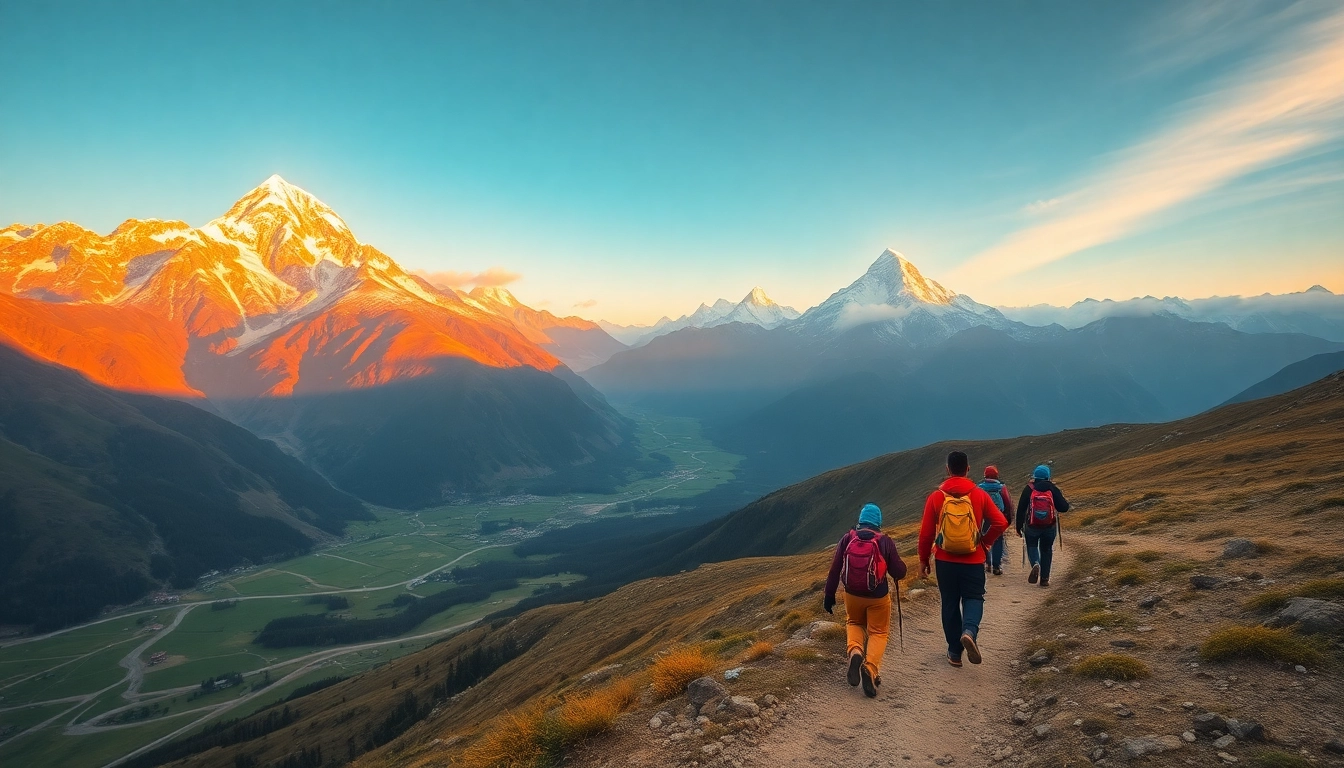
The Manaslu Circuit Trek is an extraordinary journey that takes adventurers through some of Nepal’s most stunning landscapes, providing an immersive experience in the heart of the Himalayas. Known for its breathtaking views of the eighth-highest mountain in the world, Mount Manaslu, as well as rich cultural encounters with local communities, this trek offers a unique blend of natural beauty and cultural immersion. As one of the less-traveled routes in Nepal, it provides trekkers with a chance to escape the typical tourist crowds and discover the untouched beauty of the region. For detailed planning, consider exploring options like the manaslu circuit trek, which includes a well-structured itinerary and comprehensive support.
Overview of the Trek’s Unique Features
The Manaslu Circuit Trek is renowned for its varied terrain, ranging from lush subtropical forests to high-altitude deserts. Trekkers will traverse through picturesque villages such as Machha Khola, Jagat, and Samagaon, experiencing the warm hospitality of the local communities while observing their traditional lifestyles. The trek also features the breathtaking Larkya La Pass at an altitude of 5,160 meters, where panoramic views of the surrounding mountain range create a spectacle that’s hard to forget. The region’s biodiversity adds to its unique charm, with opportunities to spot rare wildlife and endemic plants.
Historical Significance and Cultural Insights
Rich in history, the Manaslu region has been a pivotal area for trade between Nepal and Tibet for centuries. The trek offers glimpses into the indigenous cultures, particularly the Gurung and Tibetan communities. Ancient monasteries along the route, including the famous Samagaon Gompa, provide insights into the local Buddhist practices and traditions. These interactions not only enhance the trekking experience but also promote a greater understanding of the cultural diversity that exists within Nepal.
Importance of Sustainable Tourism in the Region
Sustainable tourism practices are vital in preserving the natural beauty and cultural heritage of the Manaslu Circuit. As the area gains popularity, it is imperative to minimize the ecological footprint left by trekkers. Initiatives such as responsible waste management, respect for local customs, and engagement with community-based tourism practices can help maintain the delicate balance between tourism and conservation. By choosing responsible trekking companies and participating in local initiatives, trekkers can contribute positively to the region.
Planning Your Manaslu Circuit Trek
Planning your trek is crucial for ensuring a smooth and enjoyable experience. From determining the best time to visit to selecting the right trekking agency, each decision can greatly influence your adventure.
Best Seasons to Trek: What to Consider
The best times to undertake the Manaslu Circuit Trek are during the spring (March to May) and autumn (September to November). Each season offers unique advantages: spring brings blossoming rhododendrons and warmer temperatures, while autumn provides clear skies and stunning views of the snow-capped peaks. It’s advisable to avoid the monsoon months, which can bring heavy rainfall and lead to difficult trekking conditions, and winter, when heavy snow can block trails.
Choosing the Right Trekking Agency
Selecting a reputable trekking agency is essential for a successful trek. Look for agencies with positive reviews, experienced guides, and strong support systems in place. Ensure they offer packages that include necessary permits, meals, and accommodations. A good agency will also prioritize safety, providing trained guides familiar with the terrain and altitude conditions.
Essential Permits and Fees Explained
To trek in the Manaslu region, trekkers are required to obtain several permits, including the Manaslu Conservation Area Permit (MCAP), the Annapurna Conservation Area Permit (ACAP), and the Restricted Area Permit. These permits are designed to protect the environment and the local culture. Fees can vary, so planning ahead to secure these documents is crucial.
Itinerary Breakdown for the Manaslu Circuit Trek
The itinerary for the Manaslu Circuit trek typically spans 15 days, allowing trekkers to acclimatize properly while exploring the stunning terrain. Below is a day-by-day breakdown of what to expect.
Day-by-Day Overview of the Trek
- Day 1: Arrival in Kathmandu; transfer to hotel.
- Day 2: Drive from Kathmandu to Machha Khola via Soti Khola.
- Day 3: Trek to Jagat.
- Day 4: Trek to Deng.
- Day 5: Trek to Namrung.
- Day 6: Trek to Lho.
- Day 7: Trek to Samagaon.
- Day 8: Acclimatization day in Samagaon; hike to Birendra Lake and Manaslu Base Camp.
- Day 9: Trek to Samdo.
- Day 10: Trek to Dharmasala.
- Day 11: Trek to Bimthang via Larkya La Pass.
- Day 12: Trek to Goa.
- Day 13: Trek to Dharapani.
- Day 14: Drive back to Kathmandu.
- Day 15: Departure from Kathmandu.
Highlighting Key Stops and Attractions
Some of the trek’s highlights include the stunning vistas at Larkya La Pass, the vibrant culture in Samagaon, and the serenity of Birendra Lake. Each village along the route presents a unique opportunity to witness traditional lifestyles, complete with local cuisine and hospitality.
Acclimatization Days and Their Importance
Acclimatization is crucial for preventing altitude sickness, which is a common concern when trekking at high elevations. Designated acclimatization days, like the one in Samagaon, allow trekkers to adjust gradually to the altitude while also exploring the surrounding areas. Utilizing these days wisely can greatly enhance your trekking experience.
Packing for the Manaslu Circuit Trek
Proper packing is fundamental for a successful trek, as the right gear can make a significant difference in comfort and safety.
Essential Gear and Clothing Recommendations
Trekkers should invest in high-quality, moisture-wicking clothing, including thermal layers, trekking pants, and a waterproof jacket. Footwear is crucial; sturdy, well-fitting trekking boots are essential for navigating rugged terrain. Accessories like gloves, hats, and sunglasses are also important for sun protection at high altitudes.
First Aid Kits and Safety Essentials
A well-stocked first aid kit should include essentials like blister pads, band-aids, antiseptic wipes, and altitude sickness medication. It’s advisable to consult with a healthcare professional about which medications to carry, particularly for altitude-related issues.
Cultural Considerations: What to Wear
Given the cultural significance of the regions trekked, it’s important to dress respectfully. Avoid revealing clothing, and consider wearing longer pants and sleeves in village areas to show respect for local customs.
Health and Safety During the Trek
Health and safety considerations are paramount on the Manaslu Circuit Trek. Understanding potential risks and how to mitigate them is key to a successful trek.
Understanding Altitude Sickness and Prevention
Altitude sickness can affect anyone, regardless of fitness level. Symptoms may include headaches, nausea, and dizziness. To prevent this, it’s essential to ascend gradually, stay hydrated, and recognize the early signs of altitude sickness. If symptoms arise, descending to a lower altitude is critical.
Guidelines for Staying Healthy on the Trail
Maintaining a balanced diet and staying hydrated are key factors in staying healthy during the trek. Ensure you consume enough calories to support your daily trekking needs, and always carry extra snacks.
Emergency Protocols and Communication
In case of emergencies, it’s vital to have a plan for communication and evacuation. Guides should have access to satellite phones for emergencies, and trekkers should know the location of the nearest medical facilities. Familiarizing oneself with emergency procedures can save valuable time in critical situations.