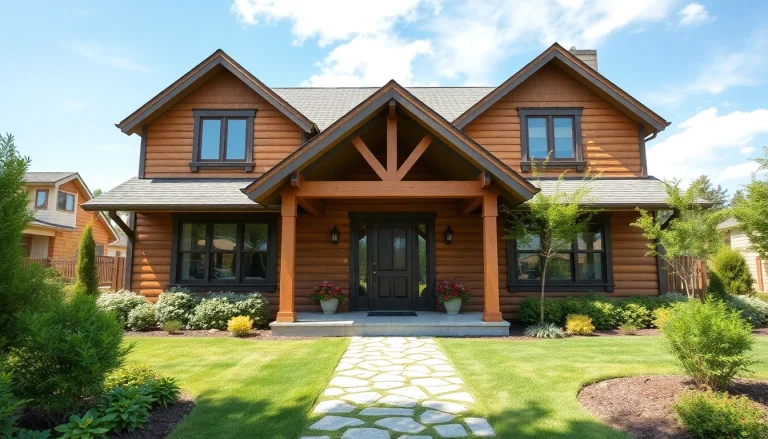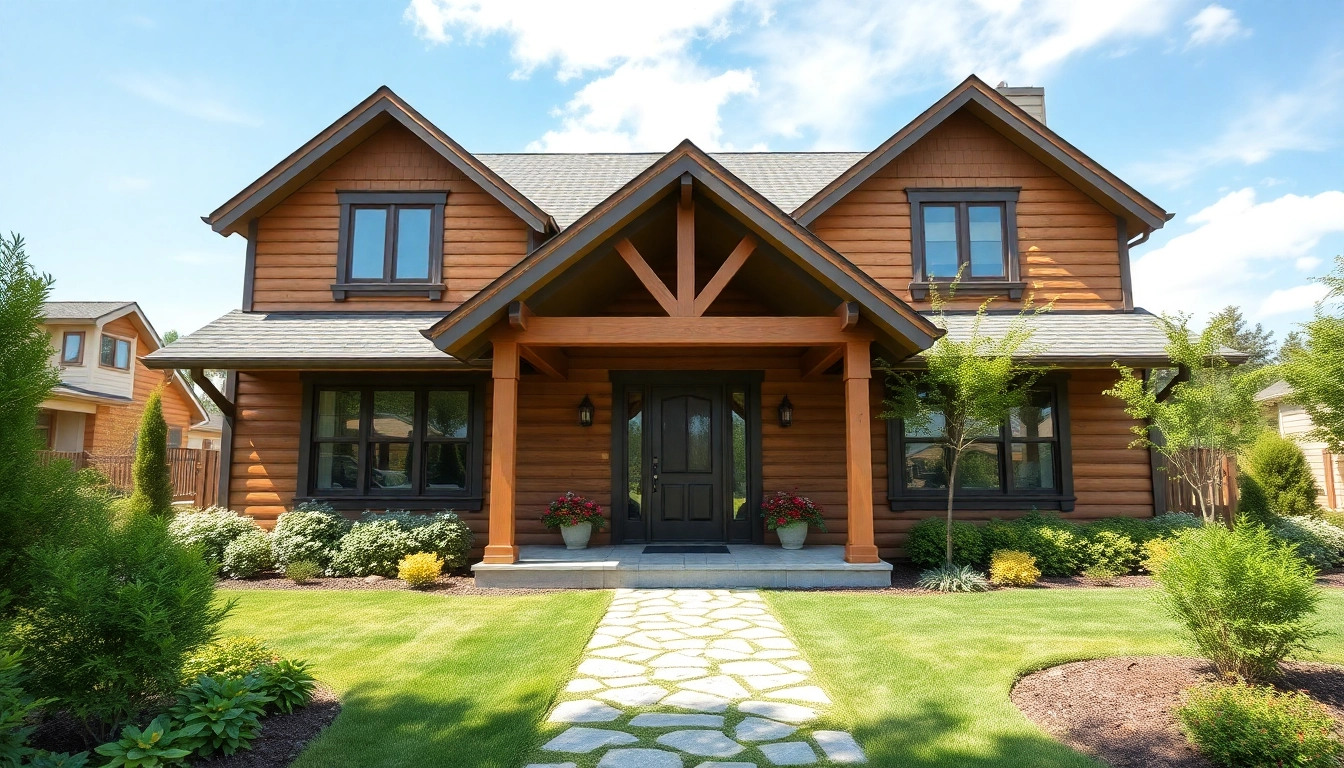
Understanding the Concept of Cape Style Home In-Law Addition
The Cape Style Home In-Law Addition represents a harmonious blend of traditional design and modern living. As families evolve and require more flexible living arrangements, the concept of adding an in-law suite has gained popularity. This article explores the significance and elements of Cape Style homes integrated with in-law additions, providing insights into their history, design characteristics, and practical considerations when planning such additions.
Historical Background of Cape Style Homes
Cape Style homes, originating in New England during the 17th century, are characterized by their simple, symmetrical designs and steep pitched roofs. The practicality of Cape Cod architecture was influenced by the harsh weather conditions of New England, which led to features such as dormer windows and central chimneys. Traditionally built from wood siding, these homes have stood the test of time due to their robust structure and timeless appeal. The enduring charm of Cape Style homes makes them a popular choice for contemporary adaptations, including in-law additions.
Defining In-Law Additions
An in-law addition is a supplementary living space within a primary dwelling designed to accommodate family members, typically aging parents or adult children. These spaces often include a bedroom, bathroom, and kitchenette, promoting independence while maintaining close family ties. The flexibility of an in-law addition allows families to adapt their living arrangements as needed, enhancing comfort and accessibility for all generations.
Why Choose a Cape Style for Your In-Law Addition?
Choosing a Cape Style home for an in-law addition provides several benefits. Firstly, the style’s classic architectural elements seamlessly blend with contemporary requirements, ensuring that the new space complements the existing structure. Secondly, the efficient use of space inherent to Cape Style homes allows for creative designs that maximize functionality without compromising aesthetics. Lastly, the distinctive design often increases property value, making it a strategic investment for homeowners considering long-term family needs.
Design Features of Cape Style Home In-Law Addition
Architectural Characteristics
Architecturally, a Cape Style Home In-Law Addition is distinguished by its symmetrical design and gabled roof. The addition should maintain the traditional aesthetic by employing similar materials, such as wood siding and shingles, and integrating features like dormers or cross gables. This approach promotes cohesiveness and ensures that the new living space feels like a natural extension of the original home. Moreover, adequate window placement is essential for optimizing natural light, enhancing the warmth and appeal of both the addition and the existing structure.
Interior Design Elements
Interior design in a Cape Style Home In-Law Addition focuses on functionality and comfort while retaining the charming simplicity associated with Cape Cod homes. Open-plan layouts can be utilized to foster connectivity between spaces, while a muted color palette of soft blues, whites, and earthy tones can evoke a sense of tranquility. Traditions can be honored through the inclusion of classic elements such as wainscoting, built-in shelves, and cozy fireplaces, ensuring that the addition feels like a home rather than just a rented space.
Utilizing Space Efficiently
Space efficiency is crucial in designing an in-law addition. Multi-functional furnishings, such as fold-out beds and built-in storage, can save space and enhance functionality without overcrowding. Additionally, open shelving in the kitchen can reduce clutter while providing easy access to necessities. The design should prioritize accessibility, particularly for elderly occupants, ensuring that hallways are wide enough for mobility aids and that bathroom facilities include grab bars and non-slip surfaces.
Planning Your Cape Style Home In-Law Addition
Identifying Your Needs
Before embarking on the planning phase, it’s vital to identify the specific needs of the family members who will reside in the in-law suite. Consideration should be given to their lifestyle, mobility requirements, and preferences in terms of privacy and independence. Engaging in open dialogue with them can help tailor the design to better meet their needs and create a welcoming environment.
Consulting Professionals
Once you have a clear vision for your in-law addition, consulting with architects and designers specializing in residential spaces is advisable. Professionals can help navigate the complexities of design and structural integrity while ensuring compliance with local building codes. Additionally, they can provide valuable insights on sustainable building practices and innovative designs that align with your budget and aesthetic goals.
Understanding Local Regulations
Each municipality has its own regulations regarding home additions, including zoning laws and building codes. It’s essential to research local requirements early in your planning process to ensure compliance and avoid unexpected delays. This may include obtaining permits, meeting setback requirements, and adhering to guidelines regarding exterior design elements to ensure your Cape Style Home In-Law Addition complements the neighborhood’s character.
Construction Process of Cape Style Home In-Law Addition
Choosing the Right Materials
Selecting appropriate materials is critical for the durability and aesthetic appeal of your in-law addition. Traditional Cape Style homes utilize wood siding, which can be both attractive and practical in various climates. Combining modern materials like fiber cement or vinyl siding can provide enhanced durability and lower maintenance. Moreover, choosing energy-efficient windows and insulation can result in long-term energy savings while also improving comfort.
Hiring Contractors
Hiring the right contractors is essential for the success of your Cape Style Home In-Law Addition. Seek out professionals with a proven track record in building similar projects. Request references, review their portfolios, and evaluate customer testimonials to ensure quality workmanship. Maintaining open lines of communication throughout the construction process is also key, enabling you to address any concerns promptly and keep the project on track.
Managing the Timeline
A well-organized timeline can help manage the construction of your in-law addition effectively. Collaborate with your contractor to establish clear milestones that will guide the project from inception to completion. Anticipate potential delays due to weather or supply issues, maintaining flexibility to adapt as necessary. Regular check-ins can keep everything aligned, ensuring that the project progresses smoothly while minimizing stress.
FAQs about Cape Style Home In-Law Addition
What is a Cape Style Home In-Law Addition?
A Cape Style Home In-Law Addition is a residential extension that integrates a separate living space for family members within a traditional Cape Cod design.
How much does it cost to build a Cape Style Home In-Law Addition?
Costs vary widely based on size, materials, and location, but you can expect to budget tens of thousands for a quality addition.
What are the benefits of a Cape Style In-Law Addition?
Benefits include enhanced family togetherness, increased property value, and adaptable living spaces tailored to different needs.
Can I add an In-Law suite to my Cape Style home?
Yes, many homeowners successfully integrate In-Law suites to provide additional comfort and privacy while maintaining architectural harmony.
What permits are needed for a Cape Style Home In-Law Addition?
Typically, you will need building permits, zoning approvals, and possibly architectural reviews, depending on local regulations.
About the Author