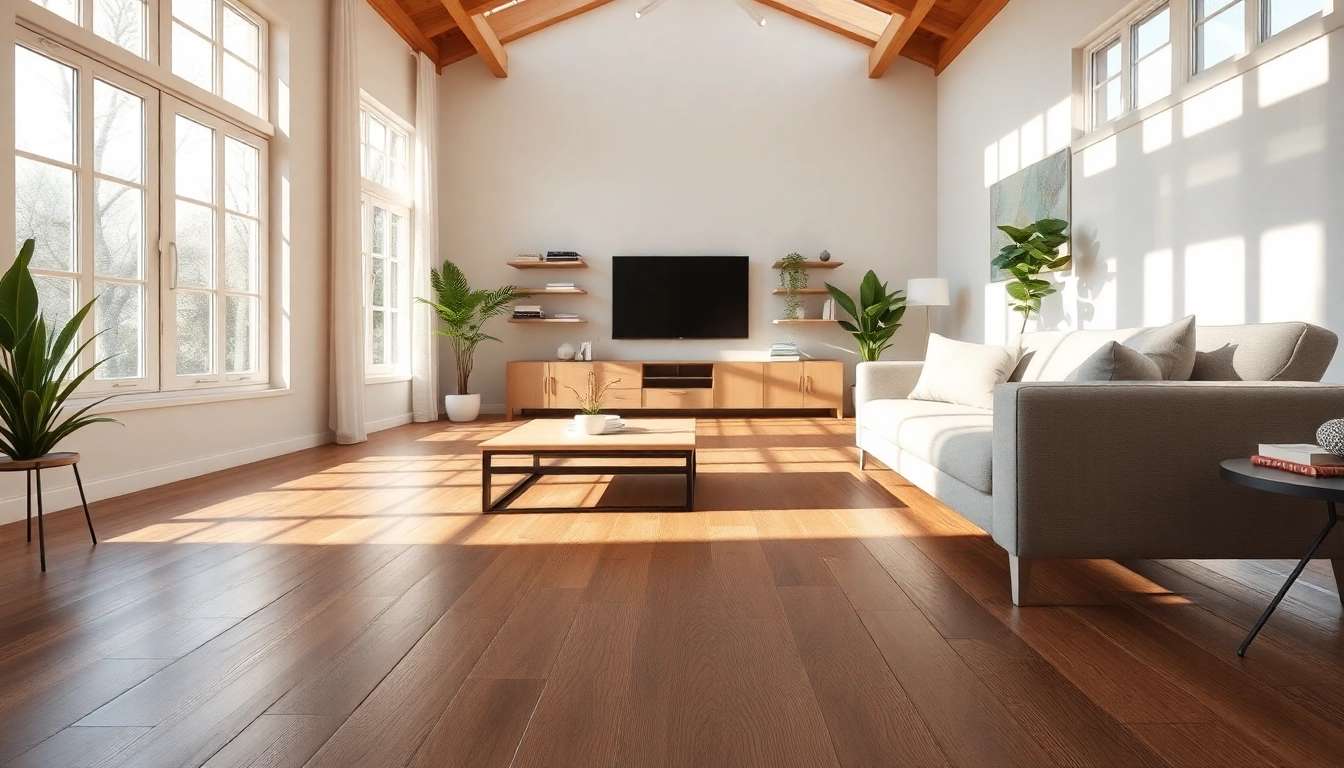
Understanding Vinyl Flooring
What is Vinyl Flooring?
Vinyl flooring is a synthetic flooring option made primarily from polyvinyl chloride (PVC), providing a versatile alternative to traditional hardwood, tile, or stone flooring. It comes in sheets, tiles, or planks, showcasing an array of designs that mimic natural materials while offering enhanced durability and ease of maintenance. A popular choice among homeowners and designers alike, vinyl flooring is well-regarded for its affordability and resistance to wear and tear.
Types of Vinyl Flooring
There are distinct types of vinyl flooring, each catering to different needs and preferences:
- Vinyl Sheets: Larger sheets of vinyl can cover broad areas without seams, making them a practical choice for bathrooms and kitchens.
- Vinyl Planks: Designed to mimic hardwood flooring, these planks are an excellent option for those wanting the look of wood without the high upkeep.
- Vinyl Tiles: Resembling ceramic or stone tiles, vinyl tiles are customizable and allow for unique patterns.
- Luxury Vinyl Plank (LVP): A higher-end option that combines aesthetics with superior durability, LVP offers realistic textures and advanced water resistance.
Benefits of Choosing Vinyl Flooring
Opting for vinyl flooring comes with numerous benefits:
- Affordability: Generally less expensive than hardwood or ceramic, vinyl flooring offers a cost-effective solution for homeowners.
- Durability: Resistant to scratches, stains, and impacts, especially in luxury options, vinyl flooring can withstand high traffic areas.
- Water Resistance: Many vinyl products are inherently water-resistant or even waterproof, making them suitable for moisture-prone rooms.
- Variety of Styles: Available in myriad colors, patterns, and textures, vinyl flooring allows for creativity in design without the associated costs of natural materials.
- Easy Installation: Vinyl flooring generally allows for DIY installation, providing homeowners with flexibility and potential savings on labor costs.
Selecting the Right Vinyl Flooring for Your Home
Factors to Consider
Choosing the right vinyl flooring involves several considerations:
- Room Purpose: Consider moisture exposure in places like kitchens or bathrooms when selecting your vinyl type. LVP or waterproof options are ideal.
- Traffic Levels: High-traffic areas require more durable options, such as luxury vinyl, to prevent wear.
- Design Aesthetics: Choose colors and patterns that complement your interior design for cohesive visual appeal.
- Comfort Underfoot: Consider cushioned variants of vinyl that provide additional comfort for prolonged standing.
Design Options and Styles
The design universe of vinyl flooring is exceptionally vast:
- Wood-Look Vinyl: Mimicking the beauty of hardwood, perfect for those aiming for a rustic or traditional atmosphere.
- Stone-Look Vinyl: Offers a natural stone aesthetic and can bring an elegant touch to spaces like dining and entry areas.
- Patterned Vinyl: Fun and modern aesthetics can be created through various patterns, suitable for playful areas like children’s rooms or play zones.
- Color Variety: With countless colors available, you can achieve the desired ambiance from bright and vibrant to muted and classic.
Common Mistakes to Avoid
When selecting vinyl flooring, certain pitfalls should be avoided:
- Neglecting Material Quality: Opt for higher-quality vinyl to ensure longevity and performance over time.
- Ignoring Subfloor Conditions: Ensure the subfloor is smooth and clean, as imperfections can lead to premature wear.
- Underestimating Maintenance Needs: While vinyl is low-maintenance, ignoring care instructions can diminish its lifespan.
- Overlooking Professional Installation: If uncertain about DIY, consulting a professional can ensure a proper fit and finish.
Installation Process for Vinyl Flooring
Preparation Steps
Prior to installation, the following preparation steps should be taken:
- Acclimate Your Vinyl: Let the vinyl planks acclimatize to the room temperature for 48 to 72 hours.
- Clear the Area: Remove any furniture and existing flooring materials.
- Inspect and Prepare Subfloor: Ensure it’s smooth, dry, and properly leveled to avoid complications.
Step-by-Step Installation Guide
Follow these steps for an effective installation process:
- Measure and Cut: Accurately measure the area and cut the vinyl to fit, leaving a small expansion gap around walls.
- Layout Design: Plan the layout for visual appeal and to minimize waste.
- Install Adhesive or Click System: Depending on your vinyl type, apply adhesive or click planks into place.
- Roll and Press: Use a roller to press down planks to eliminate air bubbles and ensure adherence.
- Trim Edges: Finish by trimming any excess material, ensuring clean edges and a finished look.
Tools Needed for Installation
Ensure you have the following tools ready for the installation:
- Measuring tape
- Utility knife
- Straightedge
- Vinyl flooring adhesive (if applicable)
- Roller or tapping block for click systems
Maintenance Tips for Longevity
Daily Care and Cleaning
For maintaining vinyl flooring’s look, regular cleaning is essential:
- Daily Sweeping: Dust and dirt can scratch the surface; therefore, daily sweeping or vacuuming is recommended.
- Weekly Cleaning: Use a damp mop with a mild cleaner specifically designed for vinyl flooring to maintain shine.
- Area Rugs: Using rugs in high traffic areas can protect your flooring from unnecessary wear.
Dealing with Scuffs and Scratches
Even vinyl flooring can get scuffed or scratched. Here’s how to repair:
- Scuff Removal: Gently rub a tennis ball over scuffs for an effective clean.
- Scratch Repair: For deeper scratches, apply a vinyl flooring repair kit that matches the color of your floor.
- Exclusive Products: Avoid using abrasive cleaners that can damage the surface.
When to Call a Professional
In some scenarios, hiring a professional might be essential:
- If the subfloor has severe damage or unevenness
- For intricate patterns that require expert installation
- If you’re uncertain about maintenance strategies or repairs
Frequently Asked Questions
What is the lifespan of vinyl flooring?
Vinyl flooring typically lasts 10 to 20 years, depending on the quality and maintenance.
Can vinyl flooring be installed over existing floors?
Yes, vinyl flooring can often be installed over existing floors as long as they are smooth and level.
Is vinyl flooring waterproof?
Many vinyl flooring options are water-resistant or waterproof, making them great for kitchens and bathrooms.
How do I clean vinyl flooring?
Regular sweeping and damp mopping with a mild cleaner keep vinyl flooring looking great.
Can I install vinyl flooring myself?
Yes, with the right tools and guidance, many homeowners can successfully install vinyl flooring themselves.
About the Author