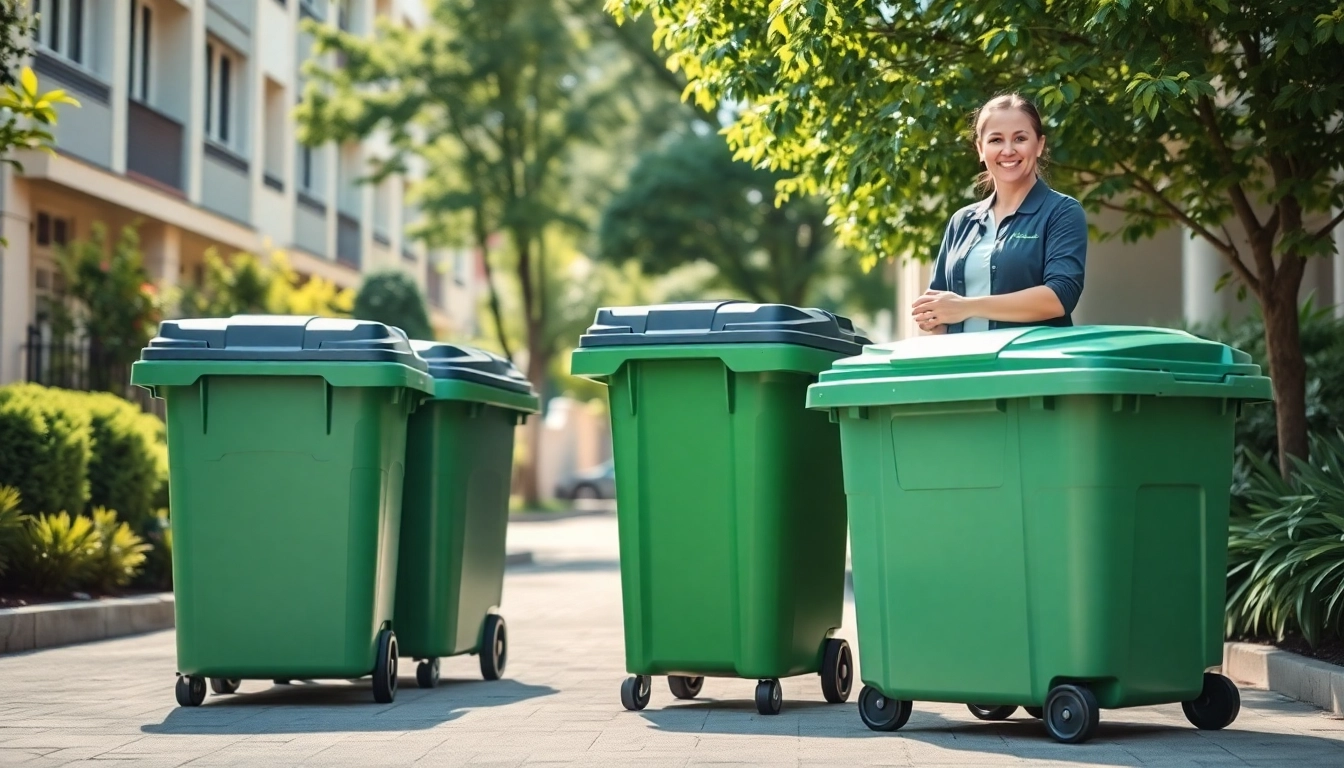
Understanding Residential Bin Rental
What is Residential Bin Rental?
A residential bin rental is a service that provides temporary waste containers for households to dispose of various types of debris and unwanted materials. These bins range in size and, depending on the service provider, can cater to general household waste, renovation debris, yard waste, and more. By utilizing a residential bin rental, homeowners can significantly streamline the process of decluttering, renovating, or simply managing day-to-day waste. This service is particularly useful for large projects or during spring cleaning, ensuring that waste is handled responsibly and efficiently.
Benefits of Choosing Residential Bin Rental
Opting for a residential bin rental offers numerous benefits that can simplify both minor and major clean-up tasks. Here are some key advantages:
- Convenience: Residential bin rentals provide a designated space for waste that is easily accessible, allowing for quick disposal without the need to make multiple trips to a landfill.
- Variety of Sizes: With various bin sizes available, customers can choose one that best fits their disposal needs, whether it’s for home renovation or seasonal clean-outs.
- Cost-Effective: Rather than managing waste incrementally, customers can rent a bin for a set period, often resulting in lower overall disposal costs.
- Professional Services: Many rental services offer professional advice on waste management, helping customers dispose of hazardous materials correctly.
- Environmental Responsibility: Reputable bin rental services often ensure waste is sorted and taken to appropriate recycling facilities, promoting sustainability.
Types of Residential Bin Rental Options
Residential bin rentals come in several types that cater to different waste disposal needs:
- General Waste Bins: Ideal for standard household debris including furniture, clothing, and non-recyclable items.
- Construction Debris Bins: Designed for tougher materials, these bins can handle wood, drywall, and other materials resulting from renovations.
- Yard Waste Bins: Perfect for garden clean-up, they accommodate grass clippings, branches, leaves, and other organic waste.
- Hazardous Waste Bins: Specialized bins for items such as paints, chemicals, and electronics that require careful handling and disposal.
Choosing the Right Bin Size
Assessing Your Waste Disposal Needs
To choose the appropriate bin size, it’s essential to assess your waste disposal requirements accurately. Consider the type of project you’re undertaking and the volume of waste it will generate. For smaller projects like a seasonal clean-out, a 10-yard bin may suffice. However, for larger activities, such as home renovations, a 20-yard or 30-yard bin might be necessary. Measuring the dimensions of the space where the bin will be placed can also help determine the right size, alongside accounting for the type of materials you plan to dispose of.
Comparing Bin Sizes: A Guide
Here’s a basic comparison of common bin sizes available for residential rental:
- 10-Yard Bin: Suitable for small-scale projects, holding approximately 1.5 tons of waste.
- 20-Yard Bin: Ideal for medium-sized tasks like larger cleanouts, accommodating up to 3 tons of waste.
- 30-Yard Bin: Perfect for major renovations or large construction projects, holding about 4-5 tons of material.
Selecting the right size bin helps avoid overloading, which could result in additional fees.
How Size Affects Residential Bin Rental Cost
The size of the bin directly impacts the rental cost. Larger bins usually come with higher rental fees due to their increased capacity and weight allowance. To save on expenses, it’s crucial to select a bin that accurately reflects your waste needs; renting too large can lead to unnecessary charges. Additionally, consider the rental duration, as longer rentals will also increase the total cost.
How to Book a Residential Bin Rental
Step-by-Step Booking Process
Booking a residential bin rental is straightforward. Here’s a step-by-step guide:
- Identify Your Needs: Determine the size and type of bin required based on the waste you plan to dispose of.
- Research Providers: Compare local bin rental services, checking for reviews, available sizes, and prices.
- Make the Reservation: Contact your chosen provider through their website or phone to place your order.
- Schedule Delivery: Agree upon a delivery date and time that fits your cleaning or renovation schedule.
Understanding Pricing and Terms
Before finalizing your rental, ensure you understand the pricing structure and rental terms. Ask about:
- Base rental fees and additional charges for weight overages.
- Duration of the rental period included in the pricing.
- Any deposit required upon booking.
- Fees for extended rental periods.
What to Expect During Delivery and Pickup
When your bin is delivered, expect the following:
- The delivery truck will arrive at the scheduled time, setting the bin in the pre-agreed location.
- Ensure a clear path and enough space for the truck to maneuver.
- Upon pickup, the company will return to collect the bin on the agreed date. Ensure the bin is not overloaded and that only acceptable waste is disposed of.
Best Practices for Using Bin Rentals
Preparing for Your Bin Rental Arrival
Before the bin arrives, it’s important to prepare your space. Ensure the delivery area is free of obstacles, like vehicles or low-hanging branches. Additionally, make sure to have a plan in place for segregating waste, which can facilitate efficient loading and disposal.
Proper Waste Disposal Guidelines
To maximize the effectiveness of your residential bin rental and adhere to best practices, consider the following disposal guidelines:
- Keep all waste within the bin walls to avoid extra charges.
- Avoid placing hazardous materials in the bin unless you have a specifically designated hazardous waste bin.
- Break down large items, such as furniture boxes, to save space.
Maintaining Your Rental Bin
Maintaining the cleanliness of your bin can help avoid service issues. Avoid overloading the bin and avoid mixing non-compliant materials to ensure everything is disposed of correctly. Maintaining its condition can also prevent additional fees upon return.
Frequently Asked Questions About Residential Bin Rental
How long can I keep the rental bin?
Typically, you can keep the rental bin for 7 to 14 days, but this may vary by provider. Check with your rental service for specifics.
What can I put in the rental bin?
You can dispose of general household waste, renovation debris, and yard waste. Check with your provider for restrictions on hazardous materials.
Are there weight limits for residential bin rentals?
Yes, most rental bins have weight limits that you should adhere to avoid additional charges. Confirm the weight limits with your provider.
How is the rental bin delivered?
Residential bins are typically delivered by specialized trucks to your designated location. Ensure the area is accessible for safe delivery.
Can I extend my rental period?
Yes, most companies allow you to extend your rental period, usually for an additional fee. Contact your rental provider to arrange an extension.