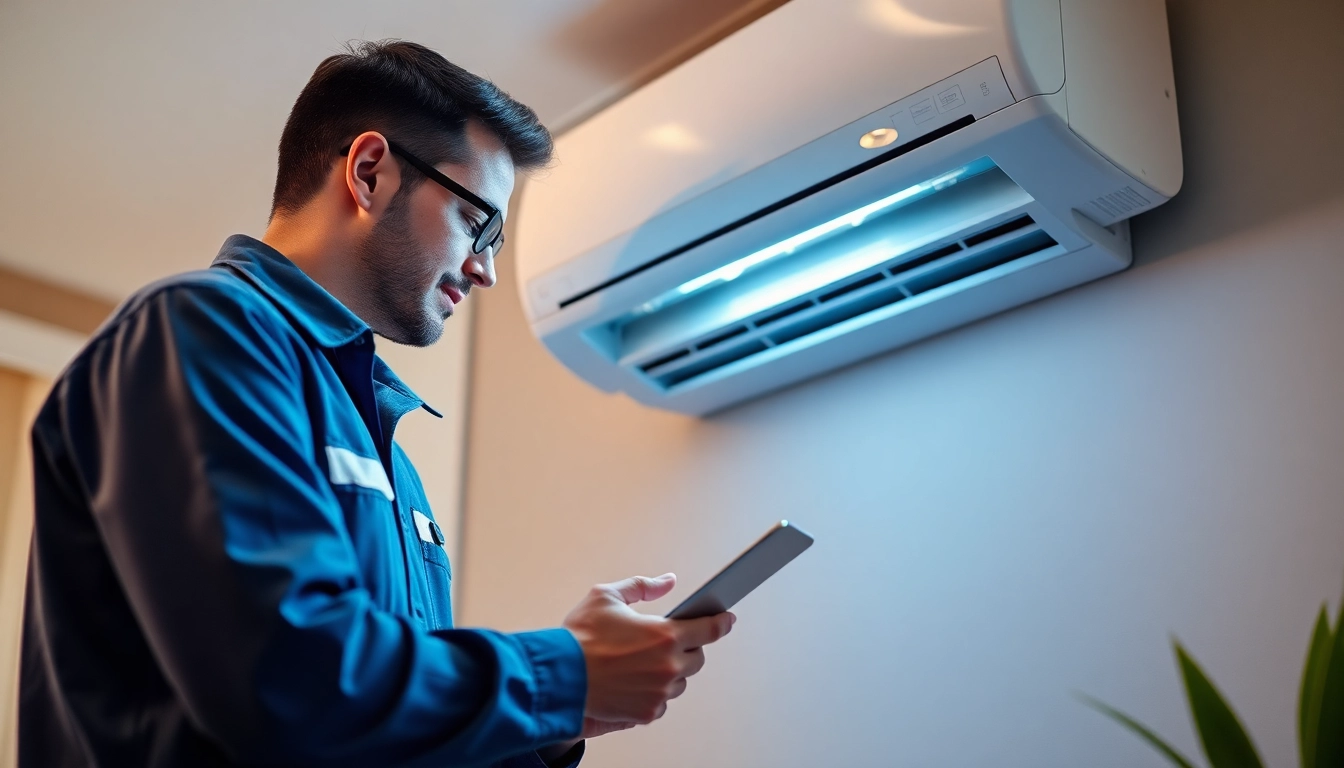
Understanding Appliance Repair Needs
Every household relies on appliances for daily tasks, from cooking and cleaning to food preservation. When these machines fail, the impact can be significant, leading to stress and inconvenience. Recognizing when and what kind of appliance repair is needed is critical for maintaining a functional home. This section will delve into common appliance issues, when to call for help, and the importance of timely repairs.
Identifying Common Appliance Issues
Understanding the signs of appliance failure is essential for effective repair. Common issues include:
- Refrigerators: Loud noises, failure to cool, or water pooling on the floor.
- Ovens: Uneven cooking, failure to heat, or the self-cleaning feature malfunctioning.
- Washing Machines: Excessive noise, failure to drain, or leaks during operation.
- Dryers: Overheating, not spinning, or taking too long to dry clothes.
By identifying these signs, homeowners can decide whether to engage in appliance repair or call professionals for severe issues.
When to Call an Appliance Repair Expert
While some minor problems can be quickly resolved with DIY fixes, knowing when to escalate the issue is paramount. Indicators that it’s time to call a professional include:
- Repeated breakdowns despite prior repairs or maintenance.
- Unusual smells, such as burning or gas odors.
- Replacement parts are required that may be dangerous to install.
- Continuously increasing utility bills, indicating inefficiency.
It’s advisable to consult experts for specific repairs as opposed to risking safety or further damage.
Importance of Timely Repairs
Addressing appliance issues promptly can save significant costs in the long run. Delaying repairs often leads to:
- Escalation of minor problems into more significant, costlier repairs.
- Increased energy consumption, reflecting higher bills.
- Shortened lifespan of the appliance due to neglect.
For the longevity and efficiency of appliances, immediate attention to issues is crucial.
Top Types of Appliance Repair Services
Various appliances serve numerous functions in daily life. Each type has its own common issues and requires specific repair expertise. Here’s a look at repair services for various major appliances:
Refrigerator Repair: Common Problems
Refrigerators are vital for food preservation, so detecting issues early is critical. Common problems include:
- Temperature Fluctuations: This can be due to faulty thermostats or blockages in the airflow.
- Water Leaks: Typically a result of a clogged defrost drain or damaged door seals.
- Excessively Loud Noises: Indicates issues with the compressor or fan motor.
Proper diagnosis is key to achieving effective repairs and restoring functionality.
Oven and Stove Repair Essentials
Ovens and stoves facilitate cooking and preparation, and common issues include:
- Inconsistent Cooking: Often caused by heating element failures or broken thermostats.
- Self-Cleaning Function Failures: Problems with the door latch or controls can prevent effective cleaning.
- Gas Leaks: A critical issue requiring immediate professional intervention for safety.
Addressing these problems quickly will ensure safe and effective cooking experiences.
Washing Machine Repair Techniques
Washing machines are fundamental for laundry, and typical problems include:
- Water Not Draining: Usually caused by clogged hoses or faulty pumps.
- Excessive Noise: Often the result of unbalanced loads or worn bearings.
- Leaking Water: Can stem from door seals or inlet valves.
Understanding these common issues will help in seeking timely repairs.
DIY vs. Professional Appliance Repair
Homeowners often face the dilemma of whether to tackle repairs themselves or call in experts. Understanding the pros and cons of each approach is essential to making an informed decision.
When DIY Repairs are Effective
Some appliance fixes can be managed without professional help. Effective DIY repairs often include:
- Replacing light bulbs and filters.
- Cleaning lint traps in dryers.
- Unclogging drain hoses in washing machines.
Knowledge about basic appliance functions will help in adequately assessing what can be handled independently.
Benefits of Hiring Professionals
For complex issues, hiring a professional is often the best option. Reasons to engage experts include:
- Access to specialized tools and quality parts.
- Expertise in diagnosing underlying issues accurately.
- Increased safety and reduced risk of further damage.
Given the risks associated with appliance repairs, knowing the boundaries of DIY capabilities is vital.
Assessing Repair Risks
When considering appliance repairs, assessing risks is critical. Factors include:
- The complexity of the issue and required knowledge.
- Potential for injury or damage when attempting repairs.
- Cost of purchasing tools compared to hiring a professional.
Understanding these risks will lead to better decision-making regarding appliance repairs.
Choosing the Right Appliance Repair Service
Selecting a reliable appliance repair service can impact the effectiveness and reliability of your repairs. Here’s how to find the right fit:
Evaluating Service Provider Qualifications
When choosing a repair expert, assess their qualifications, such as:
- Licensing and certifications specific to appliance repair.
- Experience handling a variety of appliance brands and models.
- Insurance coverage to protect against damages.
Proper vetting can lead to a positive repair experience and quality outcomes.
Customer Reviews and Testimonials
Reviews from previous customers can provide insight into service quality. Look for:
- Consistent praise for punctuality, professionalism, and effectiveness.
- Ability to handle emergencies or urgent requests.
- Transparency in pricing and service practices.
Consider both positive and negative reviews to gauge overall service reliability.
Cost vs. Value in Appliance Repair
While cost is a crucial factor in choosing a repair service, consider the following:
- Cheaper services may lead to subpar work or recurrences of issues.
- Investing in quality repairs can extend appliance life significantly.
- Evaluate warranties or guarantees, ensuring protection of investment.
Balancing cost and quality will yield the best results in appliance repairs.
Preventive Maintenance for Appliances
Preventive maintenance is key to extending the lifespan of appliances. Regular upkeep can mitigate the need for future repairs. Let’s explore various strategies for maintaining household appliances:
Regular Maintenance Tips
Implementing routine maintenance checks can prevent major issues. Here are some effective strategies:
- Regularly clean refrigerator coils and filters to ensure efficiency.
- Inspect hoses and seals for wear and replace when necessary.
- Schedule professional check-ups for complex appliances, like HVAC units.
Commitment to maintenance can yield significant savings and ensure efficient operation.
Signs Your Appliances Need Attention
Being vigilant about appliance condition can prevent breakdowns. Watch for:
- Unusual noises, vibrations, or smells during operation.
- Increased energy consumption without significant changes in use.
- Frequent cycling of the appliance, indicating malfunctions.
Early detection allows for timely repairs, minimizing extensive damages.
Longevity Strategies for Appliances
To maximize appliance lifespan, consider these strategies:
- Adhere to manufacturer guidelines for usage and maintenance.
- Invest in quality appliances that come with strong warranties.
- Be proactive about replacing aging appliances before they fail.
Proper care and foresight can significantly prolong the life of appliances.
FAQs About Appliance Repair
What are common signs of appliance failure?
Common signs include unusual noises, leaks, failure to start, and inconsistent performance. If you notice these, consider professional diagnostics.
How do I know when to repair vs. replace an appliance?
As a rule of thumb, if the repair costs exceed 50% of the appliance’s value or it’s over 10 years old, replacement might be more cost-effective.
Can I perform appliance repairs myself?
Some minor issues can be fixed DIY, such as changing filters or unclogging drains. Complex repairs, however, should be left to professionals.
How can I find the best appliance repair service?
Research online reviews, check credentials, and compare pricing and warranty options to assess different service providers.
What maintenance can I do to extend my appliance lifespan?
Regular cleaning, proper usage, and timely repairs can significantly extend the lifespan of your appliances. Always refer to the manufacturer’s guidelines.