
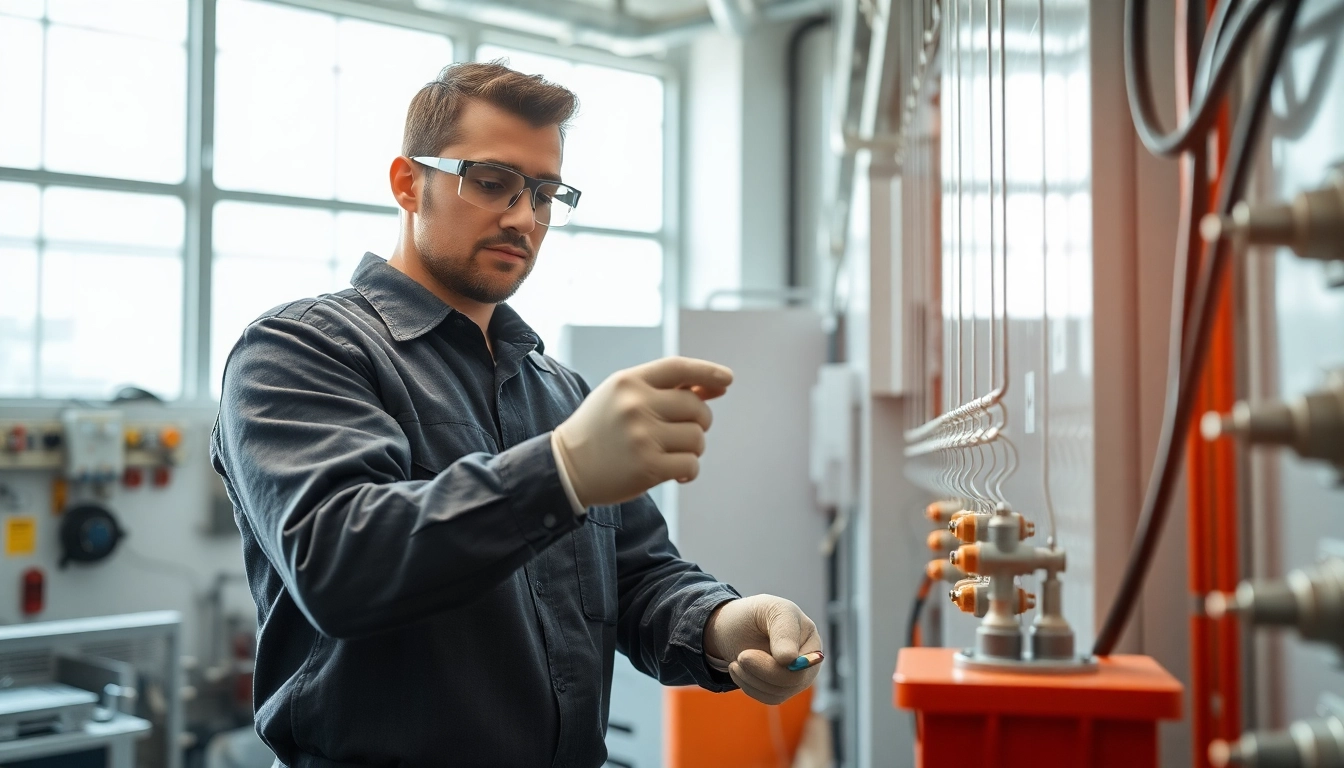
Understanding the Importance of Electrical Maintenance
In any business environment, the safety and efficiency of your electrical systems are pivotal to ensuring smooth daily operations. Regular electrical maintenance can significantly reduce the risk of accidents, improve energy efficiency, and prolong the lifespan of electrical installations. Recognizing the importance of maintaining these systems can aid in avoiding costly repairs and operational disruptions.
Why Electrical Maintenance Matters
Electrical maintenance is not just a legal requirement; it is a fundamental aspect of ensuring operational efficiency. When electrical systems are routinely checked and maintained, it minimizes the risks of unexpected failures and fire hazards, enhancing the safety of employees and property. Regular maintenance also fosters compliance with industry standards and regulations, reducing liability in the case of electrical accidents.
Common Electrical Issues in Commercial Settings
Commercial settings often face unique challenges when it comes to electrical systems. Some of the common issues include:
- Overloaded Circuits: This often results from an increased number of devices or equipment plugged into the same circuit, leading to potential overheating.
- Faulty Wiring: Poor installation or degradation over time could cause shorts or expose live wires, posing significant dangers.
- Tripped Breakers: Frequent tripping indicates a problem with electrical flow, often due to overload or faulty appliances.
Long-term Benefits of Regular Maintenance
The long-term advantages of consistent electrical maintenance extend beyond immediate safety concerns. These benefits include:
- Lowered Energy Costs: Well-maintained systems operate more efficiently, helping to decrease overall energy expenses.
- Extended Equipment Lifespan: Regular checks ensure that wear and tear are kept in check, thus preserving the longevity of equipment.
- Comprehensive Safety: Mitigating risks associated with electrical failures ultimately leads to a safer workplace for all employees.
Key Components of Electrical Maintenance
Identifying Essential Electrical Systems
Understanding which systems require maintenance is crucial. Essential components to consider include:
- Power Distribution Systems: The heart of any electrical setup, requiring systematic checks for voltage irregularities.
- Lighting Systems: Regular testing and replacing of bulbs and fixtures ensure optimal visibility and safety.
- Safety Equipment: Items like circuit breakers and ground fault circuit interrupters (GFCIs) need to be constantly inspected to confirm they function properly.
Tools and Equipment for Effective Maintenance
Equipping staff with the right tools is essential for successful electrical maintenance. Key tools include:
- Multimeters: Used for measuring voltage, current, and resistance, they are fundamental in troubleshooting.
- Insulation Resistance Testers: These devices check the integrity of insulation, which is critical for preventing electrical shocks.
- Wire Cutters and Strippers: Necessary for any wiring repairs or replacements.
Maintenance Procedures to Follow
Implementing structured maintenance procedures lays the foundation for operational integrity. The following steps are recommended:
- Regular Inspections: Schedule bi-annual inspections to catch small issues before they escalate.
- Document Observations: Keeping a maintenance log of issues and repairs aids in tracking performance over time.
- Immediate Repairs: Address any identified problems swiftly to prevent further complications.
Electrical Maintenance Best Practices
Regular Inspection and Testing Techniques
Effective inspection routines can significantly enhance safety and performance. Recommended techniques include:
- Thermographic Imaging: This non-contact technique identifies areas of overheating, helping to pinpoint potential failures.
- Visual Checks: Regularly inspect outlets, switches, and exposed wiring for any sign of wear or damage.
- Test and Tagging: Ensure that all equipment complies with electrical safety standards by routinely testing and tagging.
Documenting Maintenance Activities
Meticulous documentation of maintenance activities is crucial for several reasons:
- Compliance: Provides evidence of adherence to safety regulations, which may be required during audits.
- Historical Reference: A record of past maintenance tasks helps in understanding the performance trends and planning future activities.
- Accountability: Ensures that all maintenance tasks are assigned and completed on schedule.
Safety Protocols for Maintenance Tasks
Safety should be the foremost priority during maintenance tasks. Essential safety protocols include:
- Lockout/Tagout Procedures: Implements a system to isolate equipment from energy sources before maintenance begins.
- Personal Protective Equipment (PPE): Ensure all personnel wear appropriate PPE such as gloves, helmets, and insulated footwear.
- Training: Ongoing education about electrical safety and emergency procedures is vital for all maintenance personnel.
Common Challenges in Electrical Maintenance
Addressing Unexpected Electrical Failures
Electrical failures can occur without prior warning, significantly impacting operations. It’s essential to have a contingency plan in place:
- Emergency Response Team: Designate a trained team ready to address electrical emergencies promptly.
- Backup Power Solutions: Invest in uninterruptible power supplies (UPS) to maintain operations during outages.
- Regular Risk Assessments: Frequent assessments help identify vulnerabilities within the electrical systems.
Navigating Regulations and Compliance Issues
Staying updated with local and national standards is critical in avoiding legal pitfalls. Best practices include:
- Regular Training: Ensure the maintenance team is knowledgeable about current regulations and compliance needs.
- Consult Experts: Leverage industry consultants to help interpret regulations and ensure adherence.
- Documentation: Keep detailed records of compliance efforts, including inspections and repairs, for future reference.
Mitigating Risks During Maintenance Operations
Effective risk management during electrical maintenance involves several key strategies:
- Establish a Risk Management Plan: Collect data on past incidents to create a comprehensive risk management strategy.
- Implement Safety Audits: Regular audits assess the risk levels within operations and update protocols as needed.
- Foster a Safety Culture: Encourage employees to prioritize safety and report hazards proactively.
FAQs About Electrical Maintenance
How often should electrical maintenance be performed?
Electrical maintenance should typically occur at least twice a year, but the frequency can vary based on usage and industry requirements.
What are the signs of potential electrical issues?
Common signs include flickering lights, frequent circuit breaker trips, and burning smells. Address these issues immediately to mitigate risks.
Can I perform electrical maintenance myself?
While some minor tasks can be DIY, complex electrical work should always be performed by a qualified electrician to ensure safety and compliance.
What safety gear do I need for electrical maintenance?
Essential safety gear includes insulated gloves, safety goggles, hard hats, and protective footwear to prevent electrical shocks and injuries.
How can I find a qualified electrician for my business?
Seek licensed electricians with relevant experience, check for reviews or references, and confirm their compliance with local regulations before hiring.


