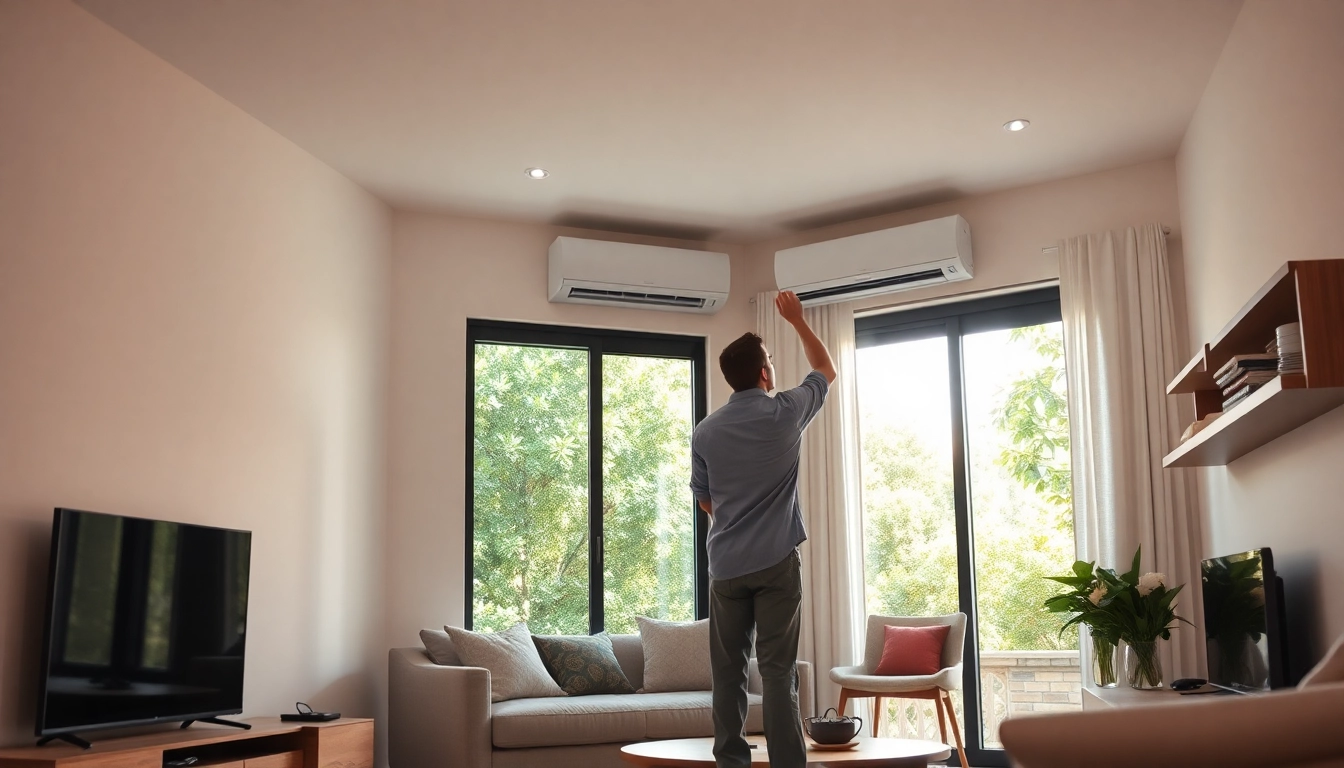
Understanding Ductless Mini-Split Installation
What is a Ductless Mini-Split System?
A ductless mini-split system is an advanced heating and cooling solution that consists of two main components: an indoor unit and an outdoor condenser. Unlike traditional HVAC systems that require ductwork, mini-splits use refrigerant lines to connect the two parts, allowing for efficient temperature control in different zones of a home or building. These systems have gained popularity due to their energy efficiency, flexibility, and ease of installation.
Benefits of Ductless Mini-Split Installation
The benefits of ductless mini-split installation are manifold and can significantly enhance the comfort and energy efficiency of living spaces. Some of the key advantages include:
- Energy Efficiency: Ductless systems typically achieve higher efficiency ratings, leading to lower energy bills.
- Flexible Control: Individual indoor units allow for customized temperature settings in different rooms.
- Space-Saving Design: The absence of ductwork means more space available for homeowners, enhancing interior aesthetics.
- Improved Air Quality: Ductless systems often feature filtration systems that improve indoor air quality by reducing allergens and contaminants.
- Easy Installation: The installation process is more straightforward and quicker than traditional HVAC systems.
Key Components of a Ductless Mini-Split System
A typical ductless mini-split system comprises several essential components that work together to provide heating and cooling:
- Indoor Unit: This is the visible part of the system found inside the living space, responsible for circulating air.
- Outdoor Unit: Positioned outside, it houses the compressor and sends heat or cool air through the refrigerant lines.
- Remote Control: Many systems come with remotes for easy temperature adjustments and settings.
- Wireless Thermostat: This offers added convenience and energy efficiency by allowing temperature programming.
Preparing for Installation
Assessing Your Space for Ductless Mini-Split Installation
Before initiating the ductless mini-split installation, it’s crucial to assess the space where the system will be installed. Considerations should include the layout and size of the area, insulation levels, and existing HVAC systems. Proper assessment will help in choosing the right system and determining its optimal placement for maximizing efficiency.
Choosing the Right System Size and Type
Selecting the appropriate size and type of ductless mini-split system is vital for effective temperature regulation. The size is usually measured in BTUs (British Thermal Units). An HVAC technician can perform a Manual J calculation to determine the heating and cooling load based on your specific needs. Factors like room dimensions, ceiling height, insulation quality, and window sizes all play a role in this decision.
Understanding Electrical Requirements
Every ductless mini-split requires an adequate electrical supply to function correctly. Most units need a dedicated circuit, and installation may require an upgrade in electrical service, especially if the home has outdated wiring or does not meet the current codes. Consulting with an electrician will ensure that your home can support the system’s electrical needs safely and effectively.
The Installation Process Explained
Step-by-Step Ductless Mini-Split Installation
The installation process of a ductless mini-split is relatively straightforward but requires precision. Here’s a step-by-step guide:
- Select Installation Location: The outdoor unit should be placed in a location with adequate airflow and accessibility, while indoor units should be centrally positioned in the rooms being conditioned.
- Mount the Indoor Unit: Use the mounting template to drill holes for the refrigerant lines and wiring, followed by securing the bracket to the wall.
- Install the Outdoor Unit: Place the outdoor unit on a stable platform, ensuring it’s at least a few inches off the ground and away from any obstructions.
- Connect Refrigerant Lines: Carefully connect the refrigerant lines from the indoor unit to the outdoor unit, ensuring all connections are leak-proof.
- Electrical Connections: Run the electrical wiring to connect the indoor and outdoor units, adhering to local building codes.
- Vacuum the Lines: Use a vacuum pump to remove air from the refrigerant lines, which aids in the efficiency of the system.
- Test the System: Once everything is connected, power on the system and check for any refrigerant leaks or operational issues.
Tools Needed for Installation
Having the right tools is essential for a smooth and efficient installation. Basic tools required for installing a ductless mini-split system include:
- Drill and drill bits
- Refrigerant gauge set
- Line wrench
- Vacuum pump
- Level
- Measuring tape
- Wire cutters and strippers
Tips for a Successful Installation
To ensure success during the installation process, consider the following tips:
- Follow Manufacturer Instructions: Each unit may have specific installation guidelines that should be strictly adhered to.
- Work Safely: Always prioritize safety protocols, using protective eyewear and gear where necessary.
- Double-Check Your Work: Before finalizing installations, recheck all connections and fittings to prevent future issues.
- Seek Help if Needed: Don’t hesitate to reach out to a professional if you encounter challenges beyond your expertise.
Post-Installation Best Practices
How to Operate Your New Ductless Mini-Split
Operating a ductless mini-split system is user-friendly, with most units equipped with remote controls or smart thermostats. Familiarize yourself with the settings, including temperature controls, fan speed, and modes (heating, cooling, dehumidification, etc.). Understanding how to optimize the settings based on your routine can enhance comfort and energy efficiency.
Routine Maintenance Tips
Regular maintenance is crucial for ensuring the longevity and efficiency of your ductless mini-split system. Here are practical steps to follow:
- Clean Filters: Check and clean or replace air filters every one to three months to maintain optimal airflow and efficiency.
- Inspect Refrigerant Levels: Ensure refrigerant levels are monitored and charged as necessary to prevent efficiency drops.
- Clear Debris from Outdoor Unit: Make sure the outdoor condenser is clear of leaves, snow, and blockages for adequate airflow.
- Schedule Professional Maintenance: Consider having a technician conduct annual inspections to catch potential issues early.
Common Issues and Troubleshooting
Despite their efficiency and ease of use, ductless mini-split systems may face some common issues. Here’s how to troubleshoot:
- Inconsistent Temperatures: Ensure all filters are clean and check for obstructions around the indoor units.
- System Won’t Start: Check the circuit breaker and remote control batteries. Reset the system if necessary.
- Unusual Noises: Sounds of rattling or banging may indicate loose components or debris in the outdoor unit.
- If issues persist, consult the user manual or contact a professional technician for assistance.
Frequently Asked Questions about Ductless Mini-Split Installation
How long does a ductless mini-split installation take?
The installation of a ductless mini-split can typically take between four to eight hours, depending on the complexity of the installation and the number of units being installed.
Can I install a ductless mini-split myself?
While it’s possible for DIY enthusiasts to install a ductless mini-split, it’s highly recommended to hire a professional to ensure proper installation and compliance with local codes.
What is the average cost of ductless mini-split installation?
The cost of installing a ductless mini-split system varies widely based on factors such as system size, type, and labor costs, typically ranging from $3,000 to $8,000 for complete installations.
Are ductless mini-split systems energy efficient?
Yes, ductless mini-split systems are known for their energy efficiency. Many models come with high SEER ratings, demonstrating reduced energy consumption compared to traditional HVAC systems.
How do I maintain my ductless mini-split system?
Regular maintenance involves cleaning or replacing filters, checking refrigerant levels, cleaning outdoor units, and scheduling annual professional servicing to ensure optimal performance.