
Understanding Custom Laser Design
What is Custom Laser Design?
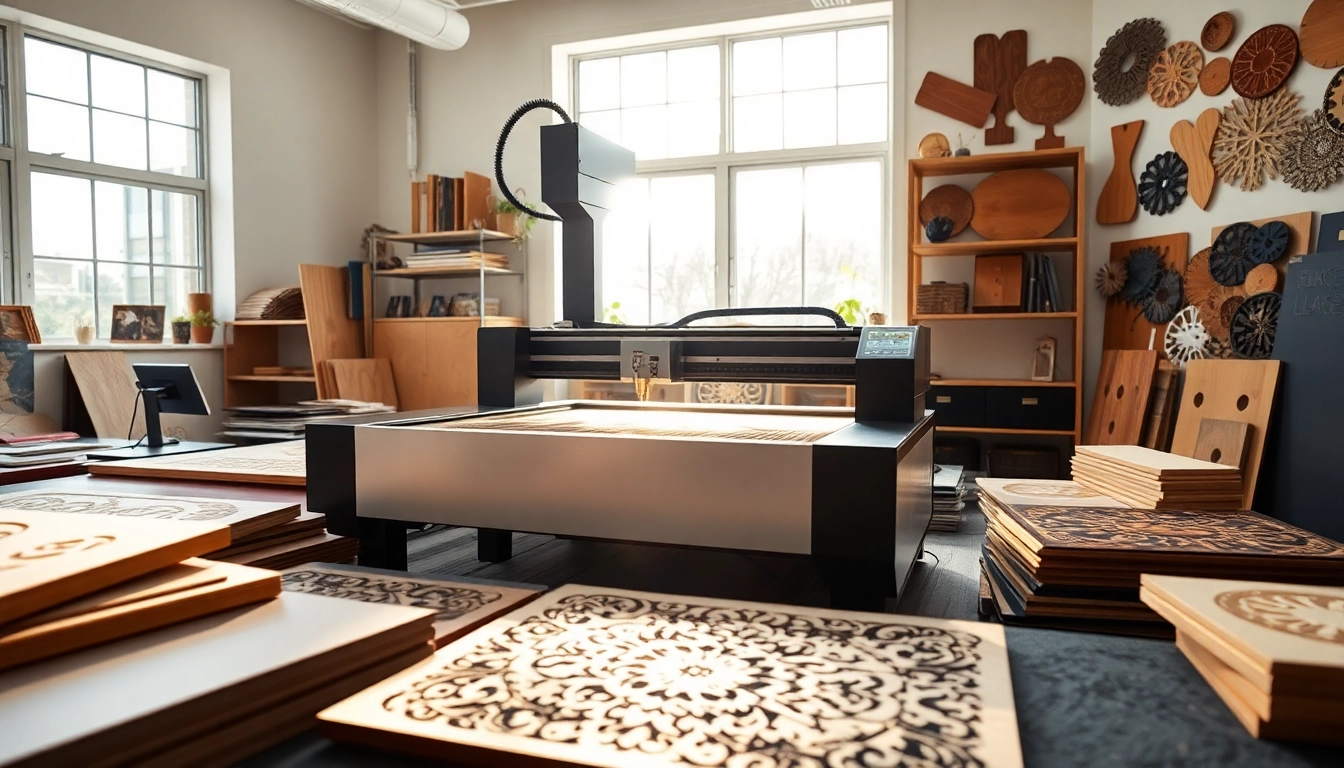
Custom laser design is a sophisticated technique that utilizes laser technology to engrave or cut materials into intricate shapes and patterns. This process involves using a focused beam of light to precisely remove material from the surface of various substrates, allowing for unprecedented accuracy and detail. The versatility of custom laser design makes it highly applicable across various industries, including manufacturing, art, and personal gifts, facilitating both functional and aesthetic outcomes.
Applications of Custom Laser Design
The applications of custom laser design are extensive, showcasing its flexibility and adaptability in meeting diverse needs. Here are some primary areas where this technology is employed:
- Industrial Manufacturing: Custom laser cutting is typically used for creating prototypes, custom parts, and intricate designs which require high precision.
- Personalized Gifts: From engraved jewelry to customized trophies, laser design offers a way to create unique gifts that hold sentimental value.
- Interior Design: Laser cutting and engraving can be applied in home decor, enhancing aesthetic appeal through custom wall art, intricate patterns on furniture, and decorative signage.
- Graphic Design: Artists and graphic designers often leverage this technology to bring their creative visions to life, producing detailed prints and three-dimensional works.
- Electronics: Companies utilize laser engraving for labeling parts, creating serial numbers, and branding their products.
Advantages of Laser Design Across Industries
The adoption of custom laser design brings numerous advantages, which can significantly impact business efficiencies and product quality. Key benefits include:
- Precision and Detail: Lasers enable intricate designs that would be difficult, if not impossible, to achieve through traditional cutting and engraving methods.
- Versatility: A wide range of materials can be used, from wood and acrylic to metals and glass, allowing for customizable applications across industries.
- Speed and Efficiency: Once the design is set, laser cutting and engraving can be completed much faster than manual processes, which can save time and labor costs.
- Minimal Waste: The accuracy of laser design minimizes material wastage, making it an eco-friendly option for many businesses.
- Cost-Effective for Small Batches: Custom laser design becomes increasingly cost-effective as companies can create short runs of customized products sans the expense of large-scale production.
Choosing the Right Materials for Custom Laser Design
Common Materials Used
Selecting the right material is critical in ensuring the quality and outcome of a custom laser design project. Here are some of the most commonly used materials:
- Wood: Different types of wood can be engraved or cut, offering a natural aesthetic. Plywood, MDF, and hardwood are popular choices.
- Acrylic: Available in various colors and transparency levels, acrylic can achieve a glass-like finish and is easy to manipulate with lasers.
- Metals: Metals like stainless steel, aluminum, and brass can be engraved for industrial applications, branding, and decorative requires functionalities.
- Glass: Laser engraving on glass provides a refined touch, making it an excellent option for awards, gifts, and decorative pieces.
- Fabric: Laser cutting can create intricate designs in textiles for fashion and upholstery, eliminating fraying edges that come from conventional methods.
Material Properties and Their Impact
The properties of materials significantly influence the laser engraving and cutting process. It’s essential to consider aspects such as density, thickness, and reflectivity:
- Density: Denser materials like metals may require higher-powered lasers to achieve desired results, while softer materials like wood can be processed with lower power.
- Thickness: The thickness of the material determines the laser settings and cutting speed; thicker materials require more careful attention to prevent charring or burnout.
- Reflectivity: Highly reflective materials can bounce back laser energy, which may necessitate different settings or adjusting equipment to prevent damage.
Cost Considerations for Different Materials
The cost of materials varies considerably and can influence project budgets. Below are some insights into material costs:
- Wood: Generally more economical, although exotic woods can be pricey.
- Acrylic: Moderate price point, slightly more expensive than wood but offers unique aesthetic qualities.
- Metals: Typically higher in cost; stainless steel and aluminum are common choices due to their durability.
- Glass: Cost can vary widely; while some types are inexpensive, specialty glass can be quite costly.
- Fabric: Generally affordable, but high-quality fabrics can increase overall project costs.
Techniques for Effective Custom Laser Design
Design Considerations and Software
When embarking on a custom laser design project, consider the following design elements and software:
- Vector Graphics: Using vector-based software like Adobe Illustrator or CorelDRAW allows for clean lines and scalability.
- File Formats: Ensure designs are saved in compatible formats such as .DXF or .SVG, which facilitate smooth processing in laser cutting software.
- Layering: Employ layers in designs to achieve varied cutting depths and engraving details, providing more dynamic outcomes.
- Testing: Always create test samples when working with new materials or settings to fine-tune designs before full production.
Tips for Creating Engaging Designs
Creating engaging designs requires creativity and an understanding of laser technology. Here are useful tips:
- Incorporate Contrast: Use contrasting colors and material finishes to make designs pop.
- Use Negative Space: Leverage negative space to create visually appealing designs that draw the eye.
- Keep It Simple: Avoid overly intricate designs that may not translate well to smaller items or less detailed engravings.
- Iterate Designs: Gather feedback on designs and be prepared to iterate until you find the perfect solution.
Optimizing Designs for Laser Cutting
To ensure your designs are optimized for laser cutting, follow these best practices:
- Adjust Line Thickness: Set cut lines to be around 0.001 inches or thinner to achieve the best results when cutting.
- Define Engraving Depth: Specify engraving depth according to material to avoid burning through or under-engraving.
- Group Similar Elements: Group similar design elements to streamline the cutting process and improve efficiency.
- Set Clear Parameters: Define cut speeds and power levels based on the material’s properties to prevent issues like warping or burning.
Implementing Custom Laser Design in Your Projects
Setting Up Your Laser Engraving Process
The setup process for laser engraving is crucial to achieving the desired results. Here are steps to follow:
- Select the Right Laser: Choose a laser that suits your project requirements, considering power output and material compatibility.
- Prepare the Workspace: Ensure a clean, well-ventilated space, as laser engraving can produce fumes and particles depending on the material.
- Calibrate the Equipment: Regularly calibrate your laser, checking for accuracy in cutting and engraving against reference materials.
- Secure the Material: Properly secure materials to avoid shifting during engraving to maintain precision in the design.
Quality Control in Laser Engraving
Maintaining quality standards is essential for successful laser engraving projects. Here’s how:
- Post-Engraving Inspection: Each completed piece should undergo rigorous inspection for accuracy and finish quality.
- Feedback Loop: Implement a feedback loop for your processes; collect data from completed projects to refine techniques and settings.
- Document Changes: Keep detailed records of settings used for each project, which aids in future iterations and quality assurance.
- Perform Maintenance: Regularly maintain and calibrate equipment to prevent discrepancies and uphold quality.
Selecting the Right Equipment for Your Needs
Choosing the appropriate laser machine can make or break your project efficiency. Here are factors to consider:
- Type of Laser: CO2 lasers are popular for non-metal materials, while fiber lasers are ideal for metals.
- Power Rating: Higher wattage provides faster results but might not be necessary for all projects.
- Bed Size: Consider the size of the materials you’ll be using. Ensure the bed size can accommodate your largest pieces.
- Compatible Software: Ensure compatibility with design software to streamline the process from design to production.
Future Trends in Custom Laser Design
Emerging Technologies in Laser Engraving
The custom laser design industry is rapidly evolving. Here are some of the emerging technologies to watch:
- AI Integration: Artificial Intelligence is beginning to play a role in design processes, optimizing designs automatically based on material and use cases.
- 3D Laser Printing: Combining laser technology with 3D printing offers new possibilities for intricate designs.
- Online Design Platforms: Increasing numbers of platforms allow users to create and submit designs directly to machines, reducing steps in the workflow.
Innovative Applications of Laser Design
Innovative uses of custom laser design continue to emerge, reflecting the versatility of the technology:
- Medical Applications: Lasers are being utilized for surgical instruments and implants, creating custom-fit solutions for patients.
- Fashion Design: Designers are pushing boundaries with laser-cut fabrics, creating unique textures and patterns.
- Sustainable Design: Utilizing eco-friendly materials and processes in laser design is becoming increasingly popular, promoting sustainability.
How to Stay Ahead in the Laser Design Industry
To stay competitive in the custom laser design industry, consider these strategies:
- Continuous Learning: Stay updated on advancements in technology and design trends through courses, webinars, and industry conferences.
- Networking: Engage with other professionals in the field to share insights, experiences, and techniques that may enhance your processes.
- Invest in Technology: Regularly assess your tools and techniques, ensuring you’re using the most efficient equipment for your projects.
Frequently Asked Questions
What materials can be used for laser engraving?
Common materials include wood, acrylic, glass, metal, and fabric. Each material requires specific settings for optimal results.
How do I prepare my design for laser cutting?
Use vector graphics software to create designs, ensuring you save in compatible formats like .DXF or .SVG for smooth processing.
Are there limitations to laser engraving?
Limitations include material size, thickness, and reflectiveness. Some materials may not be suitable for laser processes.
How can I ensure quality in laser-engraved products?
Implement rigorous quality control measures, inspect each piece, and maintain equipment for consistent results across projects.
What is the cost of custom laser design services?
The cost generally varies based on material, complexity, and production volume. Always request quotes based on specific project needs.

