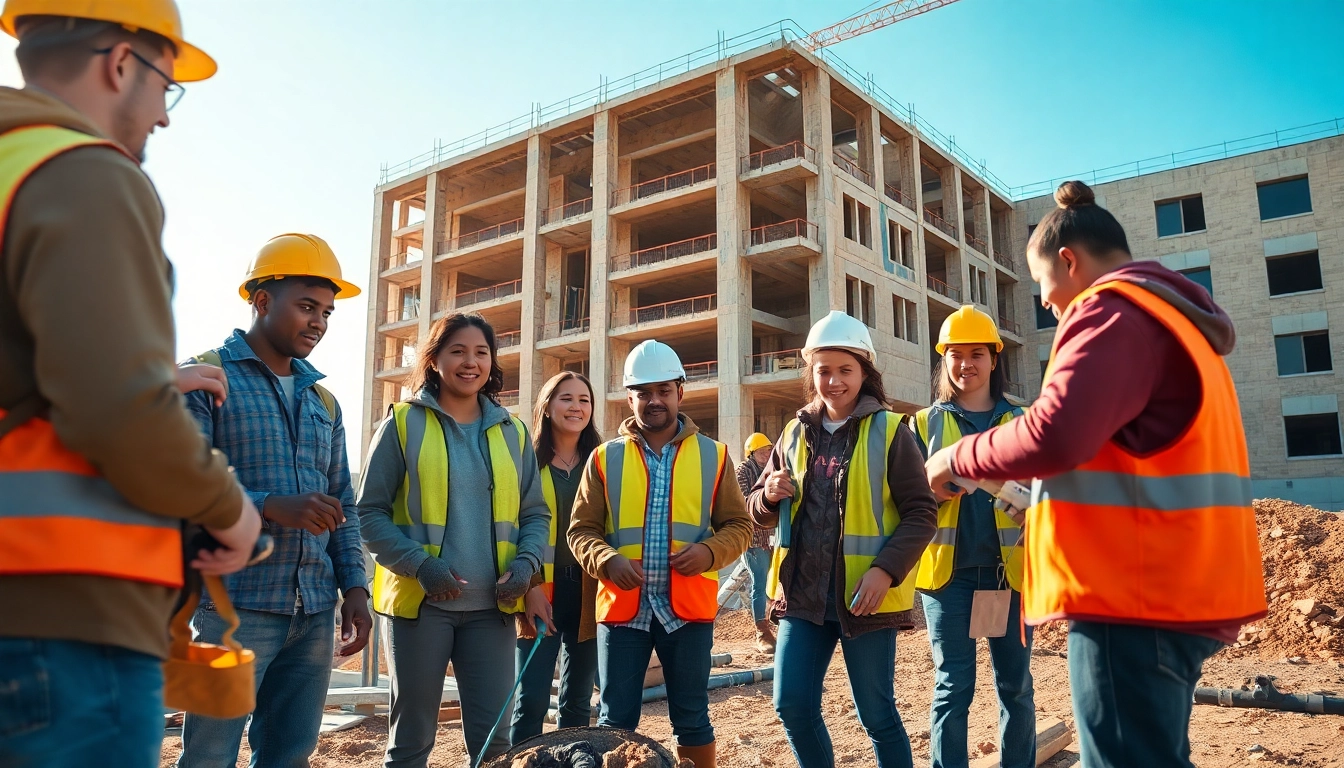
Introduction to Construction Education
Construction education is an essential component of the broader educational landscape, particularly significant in today’s global economy. As the building and infrastructure sectors expand, the demand for skilled labor equipped with the latest knowledge and practices in construction increases. By engaging in quality construction education, individuals can prepare for lucrative careers while contributing to societal needs. This article will delve into various aspects of construction education that are essential for aspiring professionals.
Importance of Construction Education
The importance of construction education cannot be overstated. It serves multiple purposes ranging from skill development to ensuring safety in the industry. With the complexity of modern building projects, a solid educational foundation equips individuals with necessary skills, especially in areas such as project management, safety protocols, and new technology applications. Furthermore, construction education enhances job readiness, reduces workplace accidents, and supports innovation within the industry.
Key Components of Construction Education
Key components of effective construction education encompass both theoretical knowledge and hands-on training. The curriculum should cover areas like structural engineering principles, construction materials, and sustainable construction practices. Equally important is practical training that provides real-world experience, allowing students to apply their classroom knowledge in supervised environments. Thus, construction education must integrate both classroom instruction and field training.
Target Audience for Construction Education
The target audience for construction education is diverse, including high school graduates, career changers, and even seasoned professionals seeking specialization or advancement in the field. Institutions must cater their programs to accommodate different learning styles and backgrounds. For example, younger learners might prefer hands-on learning experiences, whereas older students may value flexible online courses that fit around their existing commitments.
Curriculum Development for Construction Education
Curriculum development for construction education is crucial for ensuring that the education provided is relevant and up-to-date. By analyzing current job market trends and anticipated developments in the industry, educational institutions can design a curriculum that addresses the skills gap and prepares students for real-world challenges.
Essential Topics in Construction Education
Essential topics in construction education include not only technical skills but also soft skills necessary for effective communication and teamwork. Courses should cover subjects like project management, legal issues in construction, and environmental impact assessments. Emphasizing these topics encourages students to develop a well-rounded understanding of the industry.
Engaging Teaching Methods
Innovative teaching methods play a vital role in enhancing the learning experience within construction education. Interactive simulations, group projects, and real-life case studies allow students to engage more deeply with the material. Additionally, mentorship programs can be beneficial, pairing students with industry professionals to provide guidance and insight into daily operations within the field.
Technology Integration in Construction Education
With the rapid advancement of technology in construction, integrating these tools into the educational framework is essential. Virtual reality (VR) and augmented reality (AR) can create immersive learning environments, while Building Information Modeling (BIM) tools can provide practical experience with software used in the industry. By embracing technology, construction education can prepare students to seamlessly transition into modern construction roles.
Challenges in Implementing Construction Education
Despite its importance, several challenges hinder the implementation of effective construction education programs. Understanding these barriers can help institutions design strategies to overcome them, ensuring all students have access to quality education.
Common Barriers to Access
Common barriers to accessing construction education include financial constraints, geographical limitations, and varying levels of educational background among students. Institutions must provide scholarships, flexible payment plans, and remote learning options to overcome these barriers. By making education more accessible, they can expand their reach and enroll a more diverse student body.
Overcoming Educational Gaps
Overcoming educational gaps involves addressing disparities in knowledge among incoming students. Pre-requisite courses and basic skills workshops can help bridge these gaps, setting a solid foundation for further learning. Collaborating with community organizations can also facilitate outreach and support to prepare potential students for success in construction education.
Funding and Resource Allocation
Funding remains a pivotal issue in many educational sectors, including construction. Institutions must evaluate resource allocation to ensure that funds are directed towards enhancing curriculum offerings, infrastructure, and tools needed for quality education. Securing partnerships with industry stakeholders may also provide additional resources and insights into current workforce needs.
Measuring Success in Construction Education
Measuring the effectiveness of construction education programs is essential for continuous improvement. By implementing rigorous assessment techniques, educational institutions can gauge the success of their programs and make data-driven decisions.
Assessment Techniques
Assessment techniques in construction education can include both formative and summative assessments to evaluate students’ understanding and application of skills. Portfolios, presentations, and practical exams can provide insights into students’ competencies, enabling instructors to identify areas of strength and potential improvement.
Feedback Mechanisms for Improvement
Feedback is vital for refining construction education programs. Regularly seeking input from students, faculty, and industry professionals can help identify strengths and weaknesses within the curriculum. Feedback collected through surveys and focus groups can inform strategic changes aimed at enhancing the overall learning experience.
Long-term Impact Tracking
Long-term impact tracking is essential to understanding how well education translates into successful careers. Following alumni and engaging with them to assess their career progress can provide valuable data. This information can then be used to adjust programs as necessary, aligning training with the evolving needs of the construction industry.
Future Trends in Construction Education
As the construction industry continues to evolve, so too will the education associated with it. Future trends in construction education are likely to reflect advancements in technology, changing workforce needs, and a growing emphasis on sustainability and global perspectives.
Innovative Learning Environments
Innovative learning environments will become more prevalent, incorporating flexible learning spaces and advanced technological tools. This approach aligns with the hands-on nature of construction work, fostering collaboration and engagement among students. Institutions may adopt hybrid models, blending in-person and remote education, to cater to diverse learning preferences.
Expanding Career Opportunities
The demand for skilled construction professionals is likely to yield expanding career opportunities. As new sectors emerge and construction processes evolve, educational programs must adapt to prepare students for roles in green building, smart cities, and advanced manufacturing. Continuous education will be crucial for those looking to maintain a competitive edge in their careers.
Global Perspectives in Construction Education
Integrating global perspectives into construction education can enrich the learning experience by exposing students to diverse methodologies and practices from various countries. This understanding can foster innovation and collaboration, preparing students to engage with a globalized workforce in their future careers.
Frequently Asked Questions
What is construction education?
Construction education encompasses training and educational programs designed to equip individuals with knowledge and skills for careers in the construction industry, including technical and management areas.
Who can benefit from construction education?
Individuals aiming for careers in construction, including high school graduates, career changers, and professionals seeking advanced training, can benefit from construction education.
What topics are covered in construction education?
Topics include project management, construction materials, safety protocols, sustainable practices, and the use of technology like Building Information Modeling (BIM).
What challenges exist in construction education?
Challenges include financial constraints, access to resources, diverse educational backgrounds among students, and the need for up-to-date curricula that reflect industry changes.
How is success measured in construction education?
Success can be measured through assessment techniques, alumni career tracking, student feedback, and outcomes related to job placement and skill application in the workforce.