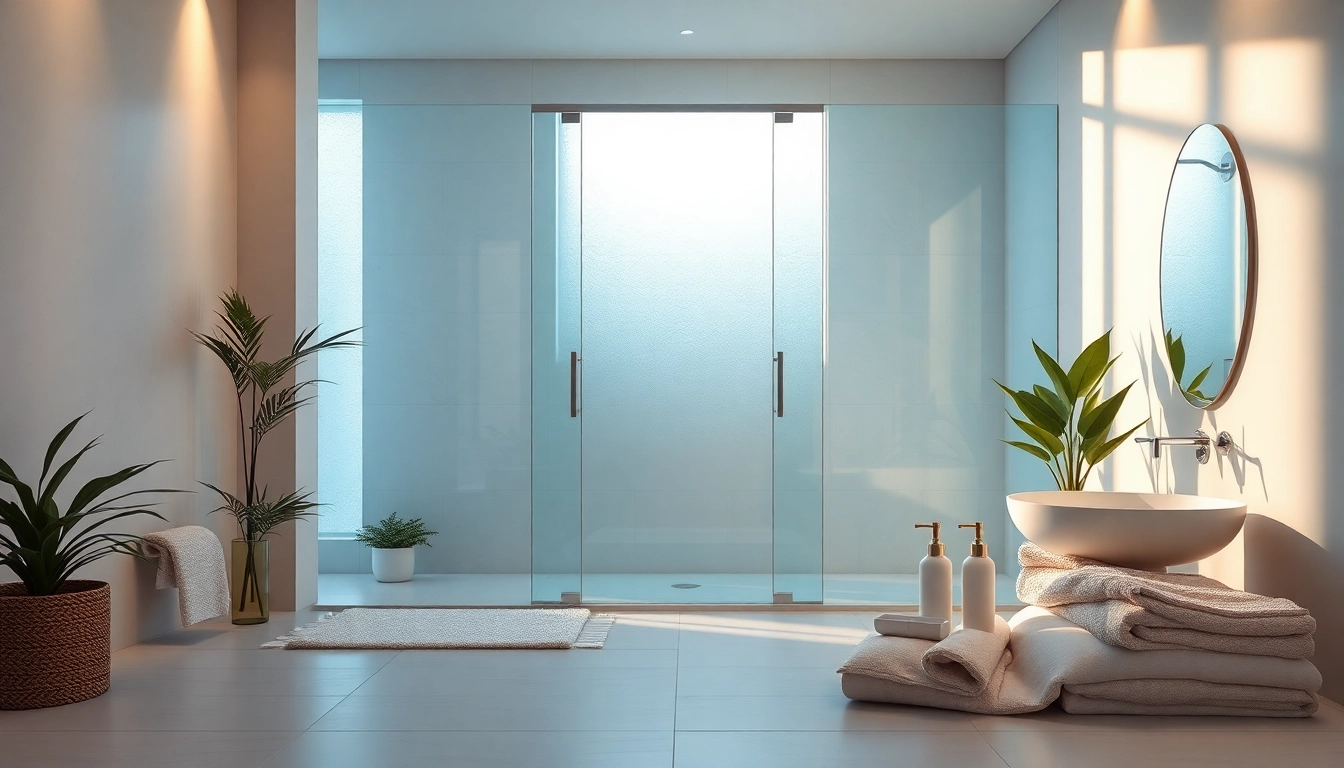
Introduction to Sliding Door Shower Screen
The sliding door shower screen is an innovative solution that combines aesthetics and functionality in modern bathrooms. As more homeowners look to maximize their space while still enjoying a stylish design, sliding door screens have gained popularity as a practical choice for both small and larger bathroom spaces. With various designs, materials, and installation options available, understanding the nuances of sliding door shower screens is essential for making an informed decision. This guide aims to delve into everything there is to know about sliding door shower screens, from benefits and materials to installation processes and maintenance strategies.
Understanding Sliding Door Shower Screen
A sliding door shower screen operates on a track system that allows one or more panels to glide open and closed, providing a seamless entry and exit to the shower area. This mechanism not only saves space—especially important in compact bathrooms—but also offers an elegant, modern look. The closure formed when the doors are closed helps to contain water within the showering area, minimizing the risk of leaks and ensuring cleanliness in your bathroom.
Benefits of Sliding Door Shower Screen
Sliding door shower screens offer several benefits that make them an appealing choice for homeowners:
- Space Savings: Unlike traditional hinged doors, sliding doors do not swing outwards, allowing for maximum use of available floor space. This feature is particularly beneficial in smaller bathrooms.
- Elegant Design: Available in various finishes and styles, sliding door shower screens can enhance the aesthetic appeal of your bathroom, providing a sleek and modern look.
- Easy Access: The smooth gliding mechanism allows for quick and easy access to the shower area, making it a convenient choice for all ages.
- Minimal Water Leakage: Properly installed sliding screens can minimize water leakage outside the shower, keeping your bathroom cleaner.
Common Materials Used
Sliding door shower screens are made from various materials, each offering distinct advantages:
- Tempered Glass: This is a popular option due to its strength and safety. Tempered glass is heated and then cooled to increase durability, making it resistant to shattering.
- Framed Glass: Framed sliding doors feature metal frames that provide support and enhance durability, commonly made from aluminum. These frames also come in various finishes such as chrome, bronze, and matte black.
- Plastic or Acrylic: These materials are lightweight and often more economical than glass. They are available in several colors but may not have the same upscale appearance.
Choosing the Right Design
Framed vs. Frameless Sliding Door Shower Screen
When selecting a sliding door shower screen, one major consideration is the choice between framed and frameless designs. Framed doors provide additional structural support, which may be beneficial in specific settings. However, frameless sliding doors offer a more open and airy look, allowing for greater visibility and light flow, making them ideal for bathrooms aiming for a contemporary or minimalist aesthetic.
Design Trends and Aesthetics
Current design trends in sliding door shower screens lean towards minimalist aesthetics, with a focus on clean lines and open spaces. Many homeowners now prefer clear glass options that allow light to fill the space, enhancing the feeling of openness. Additionally, colored or frosted glass is gaining popularity for those looking to add a touch of uniqueness to their bathroom design. Different color finishes for metal frames, such as matte black or brushed gold, also contribute to the overall design vibe.
Key Features to Consider
When choosing a sliding door shower screen, consider these key features:
- Track System: Ensure that the track system is robust and smoothly operates the doors. Some types incorporate a maintenance-free track, which is an excellent choice for longevity.
- Height and Width: Measure your shower space carefully to ensure that the screen fits appropriately without any gaps.
- Safety Features: Look for tempered glass that can offer better safety compared to regular glass.
Installation Process
Tools You’ll Need
For installing a sliding door shower screen, the following tools are typically required:
- Drill
- Stud Finder
- Screwdriver
- Level
- Measuring Tape
- Safety Glasses
- Silicone Caulk
Step-by-Step Installation Guide
Installing a sliding door shower screen can be done in several steps:
- Preparation: Begin by measuring your shower area and gathering all necessary tools and materials.
- Marking the Track: Use a level to mark where the top track and bottom track will be placed.
- Install the Tracks: Using your drill, install the top and bottom tracks securely. Make sure they are straight and level.
- Hang the Doors: Attach the sliding doors to the track, ensuring they glide properly.
- Seal Edges: Apply silicone caulk along the edges to prevent any water leaks.
- Final Adjustments: Adjust the doors for proper alignment and smooth operation.
Professional Installation vs. DIY
Opting for professional installation can save time and guarantee that the shower screen is fitted correctly, reducing the risk of future issues. However, if you have experience with home improvement projects, a DIY installation can be a rewarding option, allowing for personal customization and cost savings. It’s important to weigh the complexity of the installation against your skill level before deciding.
Caring for Your Sliding Door Shower Screen
Maintenance Tips for Longevity
To prolong the life of your sliding door shower screen, regular maintenance is crucial. This includes wiping down the doors after each use to prevent soap scum buildup, checking the tracks for debris, and lubricating moving parts periodically to ensure smooth operation.
Common Issues and Troubleshooting
Some common issues with sliding door shower screens may include:
- Doors Not Sliding Smoothly: Dust and debris can accumulate in the track; regular cleaning can mitigate this.
- Water Leaks: If you notice leaks, check the seals and caulking, and reapply if necessary.
- Misalignment: Doors may become misaligned over time; adjusting the roller components can often fix this issue.
Cleaning Techniques for Different Materials
The cleaning method will vary based on the material of your sliding door shower screen:
- Glass: Use a glass cleaner or a mixture of vinegar and water to clean, avoiding abrasive materials that can scratch.
- Plastic or Acrylic: Non-abrasive cleaners work best; avoid harsh chemicals that can cause discoloration.
Frequently Asked Questions
What Size Sliding Door Shower Screen Is Right for Me?
Measure your shower area to ensure a snug fit, typically available in standard widths. A professional can help with custom sizing if needed.
Are Sliding Door Shower Screen Easy to Clean?
Yes, but may require regular maintenance. Glass options can be wiped down easily, while plastic may need special cleaners to prevent clouding.
Can I Install a Sliding Door Shower Screen Myself?
Yes, with basic tools and DIY skills, you can install it yourself, though it's recommended to follow instructions closely for best results.
What Is the Average Cost of a Sliding Door Shower Screen?
Costs can vary widely; you might expect to pay between $700 to $2,000, depending on materials and finishes selected.
Are There Energy Savings with Sliding Door Shower Screen?
While energy savings are minimal, the reduction in water waste and improved temperature control can result in slight savings on utility bills.