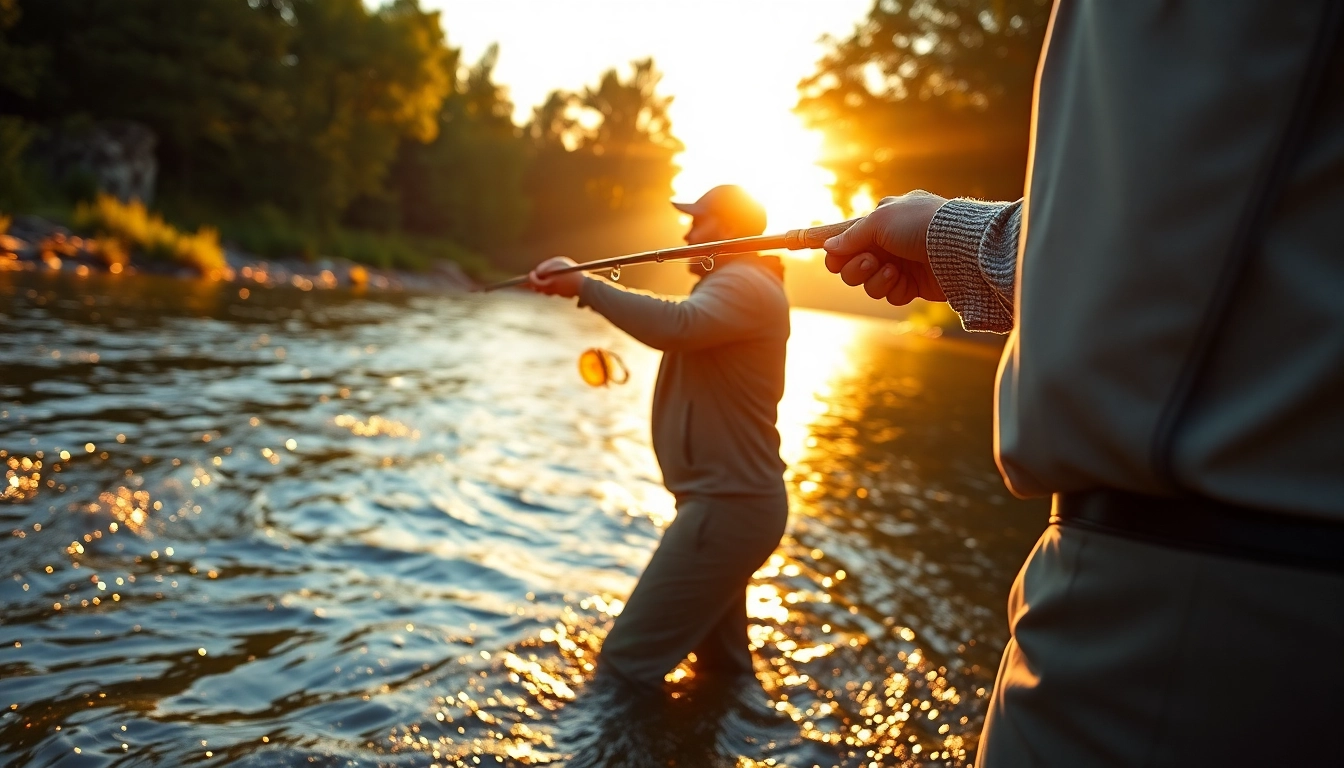
Understanding Rod Types and Their Uses
The Basics of Fly Rod Types
Choosing a fly rod might seem daunting due to the variety available in today’s market. There are primarily three types of fly rods: single-handed rods, double-handed rods, and switch rods. Each type serves different fishing techniques and environments. Single-handed rods (typically 8 to 9 feet long) are designed for everyday uses, ideal for lakes and small rivers. Double-handed rods (often above 12 feet) are primarily employed for larger rivers and are used in techniques like Spey casting. Switch rods, ranging from 10 to 11.5 feet, combine features from both, making them versatile options for both single and two-handed techniques.
Choosing the Right Weight for Your Target Species
Fly rod weights range from 1 to 12, indicating the size of the line the rod can effectively cast. A lighter rod (1-3 weight) is suitable for smaller species like panfish and trout, while medium weights (4-6 weight) are excellent for general trout fishing and some larger freshwater species. For saltwater fishing or larger freshwater species, heavier rods (8-12 weight) are necessary. Understanding the weight category needed for your target fish can significantly enhance your casting performance and effectiveness on the water. Anglers must consider the type of fish they are targeting and the environment in which they are fishing to make the best selection.
Flexibility vs. Stiffness: Finding Your Perfect Match
The action of the rod—how it bends during casting—can greatly influence your fishing experience. Fast action rods bend mostly at the tip and are known for their sensitivity and quick response, making them ideal for long-distance casts. Medium action rods bend more uniformly, providing a balance between distance and control, suitable for a variety of fishing scenarios. Conversely, slow action rods bend throughout their length and offer excellent sensitivity for delicate presentations, particularly in smaller streams. Depending on your specific fishing conditions and preferences, identifying the right flexibility can bring you to your ideal manipulation of line and lure.
Key Features to Look for in the Best Fly Fishing Rods
Material Matters: Graphite vs. Fiberglass
The choice of material significantly impacts rod performance and durability. Graphite rods are lightweight, sensitive, and offer excellent responsiveness, making them preferred by many anglers. They tend to be pricier but generally provide better casting distance and accuracy. On the other hand, fiberglass rods are typically more durable and affordable, providing a softer feel that appeals to some anglers, especially beginners. Each material has its merits, but understanding your fishing style and needs can guide you in choosing the material that fits best for your fly fishing adventures.
Length Considerations for Different Environments
The length of your fly rod plays a critical role in its usability and effectiveness. Standard lengths for single-handed rods usually span from 8 to 9 feet, which is suitable for most freshwater fishing scenarios. Longer rods, around 10 to 11 feet, offer better line control on larger rivers and help cover more distance. Conversely, shorter rods (less than 8 feet) are useful in tight spaces like dense cover and smaller streams. Matching your rod length to the fishing environment is key to enhancing your casting precision and enjoyment.
Action Ratings: Fast, Medium, and Slow Explained
Understanding the action of your fly rod is crucial as it affects how the rod responds during casts. Fast-action rods offer quick responsiveness, perfect for punchy casts over long distances and for executing tight loops. This is beneficial when targeting fish that require swift or precise presentations. Medium-action rods provide versatility, allowing a balance between distance and control, making them suitable for varied environments and species. Slow-action rods are usually favored for delicate presentations, important in scenarios where the fish may be spooked easily. Knowing these action ratings can help you select a rod that matches your fishing style and target species.
Top Features and Technologies in Modern Fly Rods
Blank Design and Construction Techniques
Modern fly rods benefit from advanced blank designs and construction techniques resulting in stronger, lighter, and more responsive materials. Complex layering techniques allow for improved tensile strength and enhanced sensitivity. These innovations not only boost performance but also help to manage fatigue and provide a more enjoyable experience on extended outings. Technologies such as multi-modulus graphite and specialized resins enhance the durability and resilience of fly rods, ensuring they withstand the test of time and the rigors of various fishing conditions.
Guides and Reel Seats: What to Prioritize
The quality of guides and reel seats can significantly influence your fishing performance. High-quality guides facilitate smoother line flow, reducing friction for longer casts and improving accuracy. Look for guides made of corrosion-resistant materials, as they will last longer, particularly in saltwater environments. Reel seats should be robust and ergonomic to accommodate your gear comfortably. Choosing components that will align with your fishing environment while ensuring durability will ultimately elevate your fishing experience.
Advances in Rod Technology for Enhanced Performance
Recent advances in rod technology have greatly enhanced fly rod performance. Innovations like shock-resistant designs and lightweight materials result in improved casting and retrieval experiences. For example, rods featuring proprietary construction allow for better energy transfer during casting, maximizing distance and minimizing fatigue. Some models incorporate vibration-dampening technology to enhance the angler's ability to detect subtle bites. Keeping track of technological trends can help you make informed decisions when selecting premium rods to facilitate your fishing tactics.
Understanding Your Fishing Environment
Freshwater vs. Saltwater Considerations
The environment in which you fish greatly determines the type of fly rod you should choose. Freshwater fishing typically demands lighter rods suited for smaller fish species, allowing for delicate presentations. Conversely, saltwater rods require higher weight ratings to handle larger, more aggressive species such as tarpon or marlin. Moreover, saltwater rods must be robust and resistant to corrosion due to the marine environment. An informed choice aligned with the type of water and fish species will enhance your fishing success...
Adapting Your Gear to Local Conditions
Local conditions contribute significantly to fishing success, and adapting your rod choice accordingly is paramount. Factors such as water temperature, clarity, and flow all dictate rod performance. For instance, fishing in rapid currents may necessitate a quicker action rod to manage line effectively during casting and retrieves. Conversely, low, clear waters may benefit from longer, softer rods to present bait delicately, avoiding detection by skittish fish. Tailoring your gear to your fishing location is critical to optimize performance.
Environmental Impact on Rod Selection
Environmental factors, including seasonality and weather conditions, directly influence your rod selection. Fishing during spawning events may require a stealthier approach. Simultaneously, windy conditions dictate the necessity of a stout rod capable of casting heavy flies while maintaining control. Adapting your rod choice to accommodate these variables will help improve your effective fishing. Assessing environmental impacts ensures you remain prepared for various challenges on the water.
Tips for Maintaining Your Fly Fishing Rods
Routine Care and Cleaning Techniques
Proper care and maintenance are crucial in extending the lifespan of your fly rod. Routine cleaning after each fishing trip is essential; it prevents dirt and salt accumulation that could damage the rod's components. Use a damp cloth to wipe down the rod and clean the guides with fresh water. Additionally, inspecting the cork handle and applying a cork conditioner can enhance its longevity and usability. Consistent attention to care helps maintain performance and effectiveness during a fishing trip.
Storage Solutions to Extend Rod Lifespan
Storing your fly rod correctly when not in use promotes longevity and performance. Keeping your rods in protective sleeves or tubes avoids unnecessary bending or damage. Store rods horizontally to alleviate stress on the blank, especially during prolonged periods of non-use. Avoid extreme temperature fluctuations and humidity, as they can negatively impact the rod materials. Implementing the proper storage conditions can help prevent degradation and ensure your fly rod remains ready for your next adventure on the water.
Identifying and Repairing Damages
Recognizing and addressing rod damages early on prevents more severe issues down the line. Common damages include guide misalignment, cracks in the blank, and worn reel seats. If you notice any noticeable bends or fractures, avoid using the rod until repaired, as further use can exacerbate the situation. Most guide damages can be fixed by replacing the guide or re-wrapping; minor blank cracks may be patched effectively. Developing skills in repair or knowing when to seek professional services helps maintain your equipment's functionality.
Choosing the Best fly fishing rods involves understanding diverse factors, from rod types and weights to maintenance tips. Keeping these considerations in mind will maximize your fishing efficiency and enjoyment, leading to many successful outings on the water.