When Mark in Tucson noticed brown patches spreading across his front lawn despite daily 10-minute sprinkler runs, he assumed more water was the answer. After a murky morning of runoff down the driveway and soggy flower beds, he realized the problem wasn’t lack of water — it was wasted water. That’s the kind of everyday scenario U.S. homeowners face: a routine that soaks the wrong places and leaves roots thirsty. Below are common mistakes that lead to wasted water and practical fixes that match the right irrigation setup to each problem.
1. Mistake: Watering the Surface Instead of the Roots
Problem: Many people run sprinklers or hand-water for short bursts, wetting soil surface and foliage but not reaching root zones. Surface watering evaporates quickly and encourages shallow roots that need more frequent water. For example, a Kentucky bluegrass lawn watered with short spray cycles can lose 30–50% of applied water to evaporation on hot afternoons (University extension research shows high surface loss during midday watering).
Fix: Switch to Root-Zone Delivery with Drip
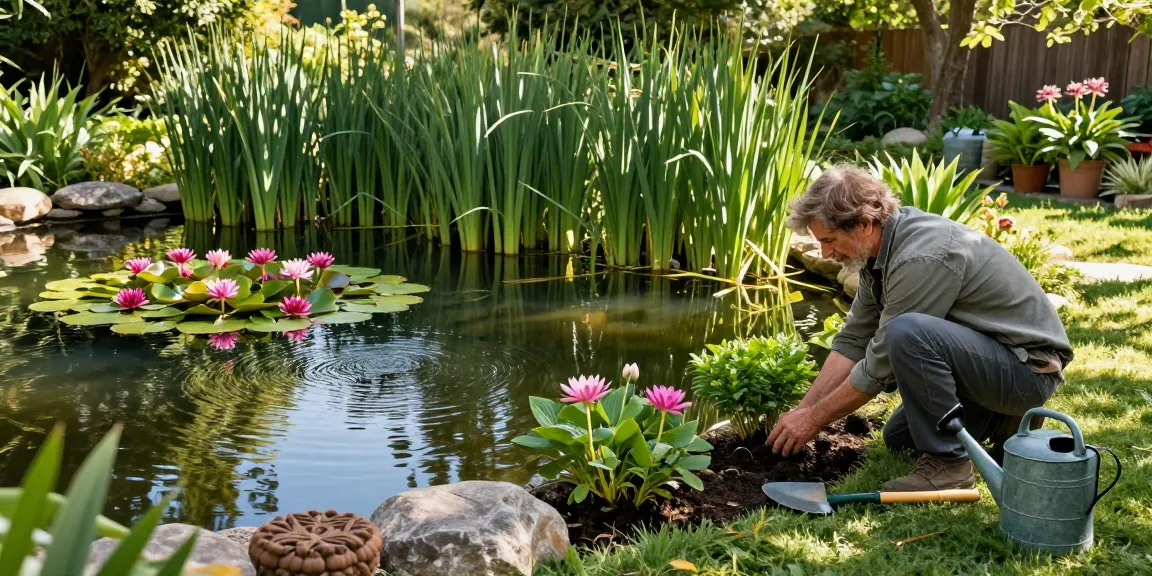
Solution: Replace or supplement spray heads with a targeted drip system that places water at the root crown. For small vegetable beds or flower borders, a simple drip line with 12–18" emitter spacing delivers consistent, slow water to the root zone. For a small lawn patch, mobile drip systems or soaker hose runs targeted along planting strips reduce evaporation dramatically.
- Example setup: 1,000 sq ft flower bed — 100 ft of 1/4" drip tubing with 12" emitters, run for 30–45 minutes twice a week.
- Why it works: Slow, low-pressure flow soaks deep, encouraging roots to go deeper and reducing watering frequency.
A WiFi timer such as a RainPoint model lets you schedule off-peak, early-morning runs so water reaches roots before temperatures rise.
2. Mistake: Overwatering Leading to Runoff
Problem: Heavy, frequent watering overwhelms soil infiltration rates and produces runoff that flows into gutters and storm drains. Clay soils and compacted turf are especially prone to this — a heavy 20-minute spray session can send 25% or more of the water away as runoff on slopes or compacted zones (EPA WaterSense and extension programs document these patterns).
Fix: Use Multiple Short Cycles or Pressure-Compensating Drip
Solution: For lawns on slopes or clay soils, split irrigation into multiple short cycles spaced an hour apart (cycle-and-soak) to let water soak in. For beds, install pressure-compensating drip tubing or emitters rated to handle uneven pressure so each emitter delivers uniform output without causing local saturation and runoff.
ConditionRecommended FixTypical Run TimeCompacted clay soilCycle-and-soak + aeration3 x 8–10 min cyclesSunny slopeDrip lines with low-flow emitters30–40 min once or twice weeklyRaised bedsInline drip with 12" emitters20–45 min, 2–3 times/week
Practical example: On a 10-degree slope in Phoenix, a homeowner cut runoff by 60% by switching from 15-minute rotor runs to a drip line with 0.5 gph emitters and two 30-minute cycles per week.
3. Mistake: One-Size-Fits-All Scheduling
Problem: People often set a fixed watering schedule (e.g., “every other day at 7 a.m.”) regardless of weather, season, or plant needs. That wastes water during cool, rainy weeks and under-waters during heat waves. According to EPA guidance, smart controllers that adjust schedules based on weather, soil, or plant types can save significant water compared with fixed timers — sometimes thousands of gallons per season for an average suburban lawn.
Fix: Match Schedule to Zone Needs — Use Smart Controls Where Appropriate
Solution: Segment your landscape into zones by plant type and sun exposure. Lawns, sun-loving perennials, and shade plants should not share a zone. For mixed yards, pair a smart sprinkler timer for large lawn zones with dedicated drip zones for beds and vegetables. A WiFi timer from RainPoint can handle different schedules per zone and adjust for local weather, reducing unnecessary runs.
- Example zoning: Zone A — lawn (early morning rotor cycles); Zone B — vegetable drip (slow, deeper cycles); Zone C — shaded beds (less frequent runs).
- Rule of thumb: Lawns often need 1–1.25 inches/week; vegetables vary by crop and stage.
For those wanting a deeper explanation of how targeted systems cut lawn waste, check this resource to learn how drip irrigation reduces water waste and apply similar principles to your yard.
4. Mistake: Incorrect Emitter Placement and Spacing
Problem: Many DIY systems use too few emitters or place them unevenly, leaving gaps or over-saturating certain plants. For example, a tomato row with emitters spaced 24" apart can leave root sections dry while overwatering nearby plants, causing inconsistent yields and excess water use.
Fix: Design with Plant Root Zones and Adjust Flow Rates
Solution: Choose emitter spacing and flow rates that match plant root zones. Shallow-rooted annuals need closer spacing (6–12"), while deep-rooted shrubs can use 12–18" spacing with higher flow emitters. Use adjustable or pressure-compensating emitters where root systems vary in size. When dealing with mixed beds, run separate drip lines so you can tune each line's duration and flow.
- Concrete example: A 30' vegetable bed with mixed crops — run two parallel 1/4" drip lines at 12" spacing, each with 0.5 gph emitters, and schedule 30–40 minutes twice weekly.
- Tip: Mark emitter locations on a simple map to avoid future guesswork and make seasonal adjustments easy.
In large yards, pairing trench-laid drip for beds with a separate sprinkler zone for turf keeps each plant type happy and conserves water overall.
5. Mistake: Neglecting Maintenance — Leaks, Clogs, and Misaligned Heads
Problem: Even well-designed systems waste water if they’re not maintained. Broken heads, cracked tubing, or clogged emitters can dump gallons daily. A leaking lateral or misaligned rotor can easily waste thousands of gallons a season if unnoticed.
Fix: Regular Checks, Filters, and Simple Repairs
Solution: Inspect zones monthly during peak season. Flush new drip lines after installation, and use inline filters (50–120 mesh) on supply lines to prevent clogging. Replace worn rubber fittings and fix misaligned or broken heads promptly. An annual pressure check ensures lines operate within the recommended range — most drip systems work best at 15–30 psi with pressure-compensating emitters handling wider ranges.
- Monthly: Walk the yard during a scheduled run and look for puddles, dry spots, or wet patches.
- Seasonally: Flush lines, clean filters, and replace damaged sections.
- After storms: Check for root intrusions or burrowing pests that may damage tubing.
Example: A homeowner in Raleigh reduced an estimated seasonal loss of 8,000 gallons by finding and replacing a cracked mainline that had been leaking slowly for months.
All these fixes — switching to root-zone drip, cycling to prevent runoff, zoning with smart control, proper emitter placement, and routine maintenance — are practical steps that match the right watering setup to each yard’s needs. For hands-on product guides and kits tailored to vegetable beds, flower borders, or potted plants, RainPoint offers solutions and timers that make these tactics easy to implement.