Understanding Kitchen Worktop Materials
The kitchen worktop is often regarded as the heart of the kitchen, serving both functional and aesthetic purposes. Choosing the right material is crucial, not only for the look and feel of your space but also for its longevity and care requirements. In this Comprehensive guide to kitchen worktop materials, we will explore the various options available, their properties, and what to consider when making your selection.
Types of Kitchen Worktop Materials
Kitchen worktops come in a variety of materials, each with unique characteristics. Understanding these can help you make an informed choice. Here’s a closer look at some of the most popular options:
- Granite: A natural stone known for its durability and unique patterns.
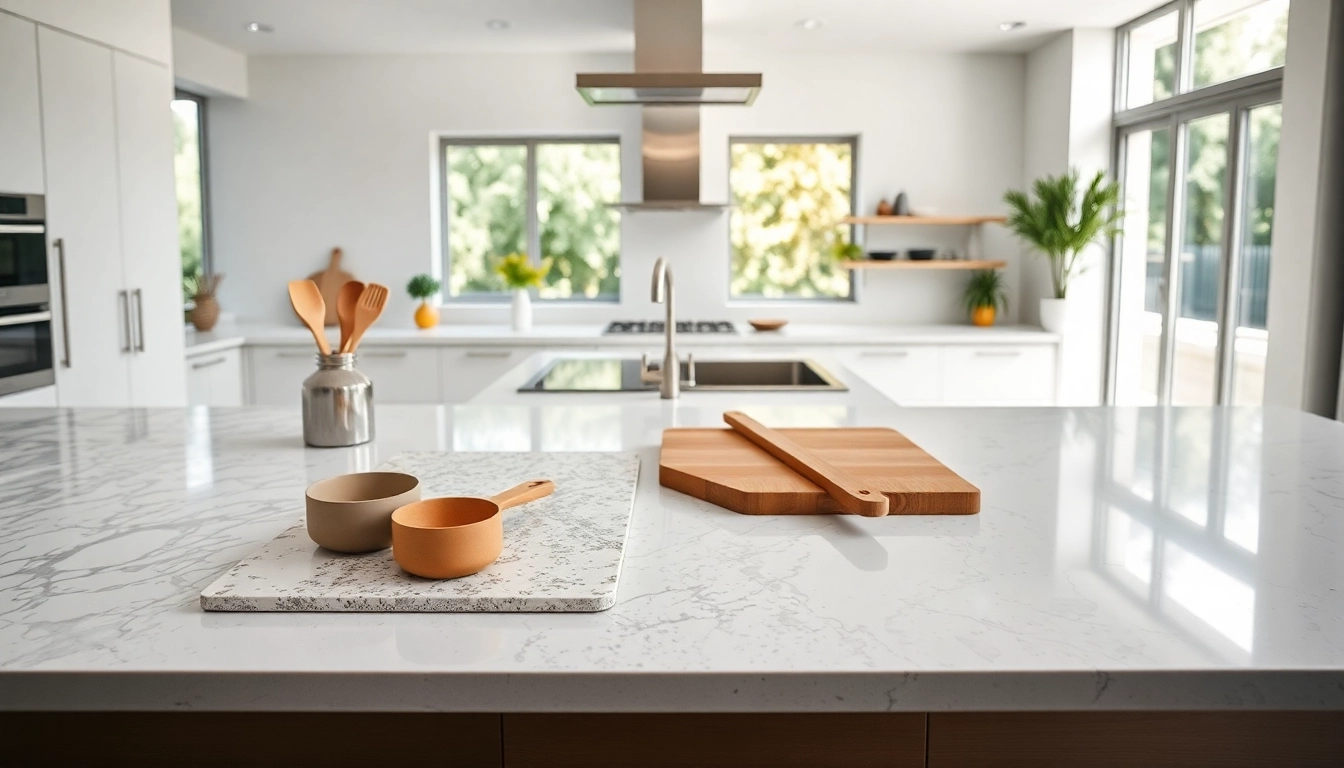
- Quartz: An engineered stone that mimics the appearance of natural stones but with increased durability.
- Wood: Offers a warm and inviting feel, with various finishes available to suit different styles.
- Laminate: A cost-effective option available in numerous colors and designs, but less durable than natural materials.
- Glass: Provides a sleek, modern look and is easy to clean, but can be prone to scratching.
- Concrete: A versatile material that can be molded into various shapes and finished in numerous ways for a unique appearance.
Key Properties of Worktop Materials
Each worktop material boasts specific properties that influence its performance, durability, and care. Here are some key aspects to consider:
- Durability: How well does the material resist chips, scratches, and stains? For instance, granite and quartz are highly durable, while laminate can easily be damaged.
- Maintenance: What kind of care does the material require? Some materials might need sealing, while others are much easier to maintain.
- Heat Resistance: Certain materials can withstand higher temperatures, making them ideal for kitchens where hot pans are common.
- Moisture Resistance: This is crucial for preventing warping and bacteria growth, particularly with wood and laminate.
- Appearance: Consider the color and texture of the material and how they fit with your overall kitchen decor.
Environmental Impact of Materials
As sustainability becomes a growing concern for homeowners, assessing the environmental impact of your choices is vital. Natural stones like granite are sustainable in their natural form, but their extraction can cause environmental issues. Engineered stones and laminates may contain resins that can be harmful to the environment. Opting for eco-friendly finishes and certified woods can help mitigate negative impacts. Always consider the lifecycle of the material, from production to disposal.
Choosing the Right Worktop for Your Kitchen
Factors to Consider in Your Selection
Selecting the right worktop material is a multifaceted decision. Key factors to consider include:
- Usage: Examine how you intend to use your kitchen. Heavy-duty cooking may necessitate more robust materials.
- Budget: While some materials are cost-effective initially, consider the longevity and maintenance costs associated with each option.
- Style: Your kitchen’s design should resonate with the chosen material. Will it complement your cabinets, flooring, and appliances?
- Installation: Some materials are more challenging to install than others, which can impact labor costs.
Cost vs. Longevity Analysis
When contemplating worktop materials, it's essential to analyze cost in relation to longevity. While laminate surfaces may be more budget-friendly upfront, they often require replacement sooner than materials like granite or quartz. Understanding the cost-per-year of ownership can provide clarity; for example, investing in a more expensive stone worktop may yield savings in durability and lifetime value.
Style and Aesthetic Appeal
The aesthetic appeal of your kitchen can greatly influence your choice of worktop material. Traditional kitchens might benefit from wood or granite, providing a classic look, while modern kitchens may wish to incorporate glass or sleek quartz for a more contemporary feel. Always consider samples within your home’s lighting to see how colors and textures interact with your overall decor.
Maintaining Your Kitchen Worktops
Cleaning and Care Tips
Proper maintenance of worktops is essential to prolong their life and appearance. Here are some general cleaning tips:
- Granite and Quartz: Use a mild detergent and warm water; avoid acidic or abrasive cleaners.
- Wood: Regular oiling can nourish wood surfaces, while gentle soaps are best for cleaning.
- Laminate: Clean with non-abrasive cleaners, as harsh scrubbing can damage the surface.
- Glass: Use glass cleaner for streak-free results, but opt for a soft cloth to avoid scratching.
Avoiding Common Damage
To maintain the integrity of your kitchen worktops, here are common damages to avoid:
- Chips and Cracks: Use cutting boards and trivets to protect surfaces from sharp objects and hot pots.
- Staining: Clean spills promptly, especially those from highly pigmented foods like tomato sauce.
- Water Damage: Ensure that surfaces are sealed where necessary, particularly for wood and stone.
Restoration Techniques for Worktops
Even the most resilient materials can show wear. Here’s how to restore various worktops:
- Granite: Professionally seal and polish may revive its luster.
- Wood: Sanding and refinishing can remove scratches and discoloration.
- Laminate: Application of laminate repair kits can mask minor scratches or chips.
Comparing Popular Kitchen Worktop Materials
Granite vs. Quartz: What's Better?
Granite is a natural stone, celebrated for its unique patterns and durability. It’s heat- and scratch-resistant but requires semi-annual sealing. Quartz, however, is an engineered stone with non-porous properties, making it more resistant to stains and easier to maintain. The choice between granite and quartz usually boils down to personal preference and maintenance willingness.
Wood and Laminate: Pros and Cons
Wood lends a warm, inviting feel to Classic Quartz Stone; it’s easy to work with and can be refinished. However, it requires regular maintenance and can warp with moisture exposure. Laminate is cost-effective and available in many styles, but it’s less durable than both wood and stone and can be prone to scratches.
Glass and Concrete: Unique Choices
Glass worktops provide a distinct, modern appearance but can be susceptible to scratches and require gentle cleaning. In contrast, concrete worktops can be custom-made and are incredibly durable but may need sealing to prevent stains and maintain their appearance over time.
FAQs about Kitchen Worktop Materials
What is the most durable kitchen worktop material?
Granite and quartz are among the most durable options, resistant to scratching, heat, and chipping, making them ideal for busy kitchens.
How can I maintain my granite worktop?
Regularly clean with mild detergent and water, and reseal every 6-12 months to maintain its durability and prevent stains.
Are laminate worktops a good choice?
Laminate worktops are budget-friendly and available in various styles, but they are less durable than stone counterparts and prone to damage.
What impacts the cost of kitchen worktops?
Factors include material type, design complexity, installation costs, and additional features like edges or cutouts for sinks.
How to choose between quartz and marble?
Choose quartz for durability and low maintenance; select marble for a distinctive look but be ready for higher upkeep and susceptibility to stains.