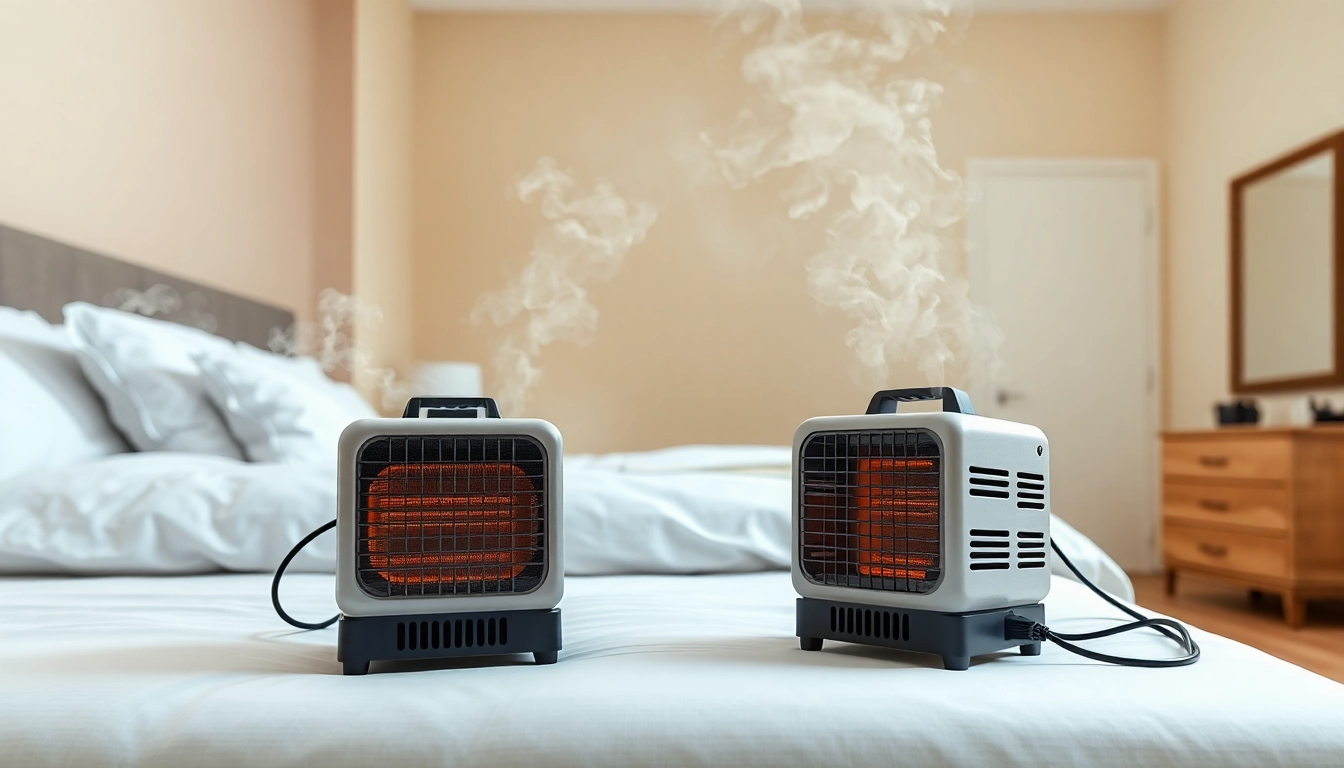
Understanding Bed Bug Heat Treatment
Bed bug infestations can be a persistent and frustrating problem for many homeowners, requiring effective solutions to eradicate these pests. One of the most successful methods employed by pest control professionals is bed bug heat treatment. This technique leverages controlled high temperatures to eliminate bed bugs in all life stages, including eggs, making it a highly desirable option for those looking to reclaim their space.
The Science Behind Heat Treatment
Bed bugs thrive in environments that are typically warm and humid, which ironically makes them susceptible to heat when properly applied. When exposed to temperatures above 120°F (49°C), bed bugs and their eggs start to die. Studies have demonstrated that at 113°F (45°C), bed bugs will die if exposed continuously for more than 90 minutes, while at 118°F (48°C), death occurs within 20 minutes. For complete eradication, professionals often aim for temperatures between 125°F (51°C) and 140°F (60°C), which can kill all bed bug stages within a matter of hours.
Benefits of This Method
- Comprehensive Elimination: Heat treatment affects all life stages of bed bugs, ensuring no remaining larvae or eggs are left behind.
- Environmentally Friendly: This method doesn't rely on toxic insecticides, making it a safer choice for households with children and pets.
- No Residue: Unlike chemical treatments, which can leave harmful residues, heat treatment leaves no chemical traces.
- Single Treatment Efficiency: In many cases, one heating session can be enough to eliminate an infestation, making it time-effective.
Common Misconceptions
Despite its effectiveness, there are several misconceptions surrounding bed bug heat treatment. Some believe that heat can only reach specific areas in a room and avoid pests hidden in cracks or crevices. However, professional equipment is designed to distribute heat evenly, often using fans to circulate hot air. Another misconception is that this method may damage furniture or belongings. In reality, controlled heat does not harm properly constructed items but might affect temperature-sensitive electronics or materials. Communication with pest control professionals can clear up these misunderstandings.
Preparation for Bed Bug Heat Treatment
What to Expect Before Treatment
Prior to any heat treatment, homeowners should understand what to expect. The area being treated will need to be vacated for several hours. As heat penetrates materials, it may require higher temperatures for longer durations to ensure complete extermination. Homeowners should also prepare for the removal of items in infested areas to allow for effective heat distribution.
Essential Preparations
Preparation for bed bug heat treatment involves thorough cleaning and decluttering. Homeowners should:
- Wash and dry bed linens, clothing, and similar items on high heat.
- Eliminate any clutter as it can obstruct heat flow.
- Vacuum the target area prior to treatment to remove loose debris.
- Ensure that pets and plants are removed from the treatment area.
- Inform pest control about any specific concerns regarding heat-sensitive items.
Safety Considerations
Safety is paramount when conducting a heat treatment. Homeowners must ensure that all residents, pets, plants, and heat-sensitive materials are removed from the area undergoing treatment. It's advisable to consult with professionals regarding the management of items like electronics that could be damaged by prolonged heat exposure. Implementing a safety plan before treatment can aid in effective execution and peace of mind.
Conducting Bed Bug Heat Treatment
How Professionals Execute Treatment
Professional pest control services have access to specialized equipment capable of delivering precise heat effectively throughout an entire property. Initially, they will conduct an inspection to assess the level of infestation. Following this, they will set up heating units strategically to ensure optimal temperature distribution and use thermal imaging devices to monitor temperatures in real-time. Typically, the process can take between 6 to 8 hours, depending on the building's size and insulation properties.
DIY Bed Bug Heat Treatment Techniques
While many individuals may consider DIY methods, executing a safe and effective bed bug heat treatment requires professional-level equipment and knowledge. Homeowners could try to use household items like portable heaters or drying machines, but these methods often lack the requisite power needed for successful extermination. Therefore, professionals remain the most reliable option for comprehensive treatment.
Monitoring Temperature Effectively
Accurate temperature monitoring is integral to effective heat treatment. Professionals utilize infrared thermometers and thermal sensors to ascertain that the expected temperature distribution is achieved throughout the space. The goal is to maintain a consistent and even temperature that will ensure total extermination. It’s essential to document these temperature readings for future reference and credibility regarding treatment effectiveness.
Aftercare and Follow-Up
Post-Treatment Cleaning
After the completion of heat treatment, a thorough cleaning phase begins. Homeowners can re-enter the space only after it has cooled down adequately. A detailed vacuuming session helps in removal of any surviving insects that may have avoided high temperatures. Loose items can be returned to the treated area, but care should be taken to inspect them first.
Checking for Remaining Infestations
After a week or two, it’s advisable to inspect the treated areas for any signs of bed bug activity. Frequent vigilance during the early stages post-treatment can prevent a resurgence of infestation. Small traps can be placed in strategic locations to monitor for signs of bed bugs. Continuous assessment helps guarantee long-term success.
Recommended Maintenance Strategies
To mitigate the risk of reinfestation, consider implementing maintenance strategies such as:
- Regular vacuuming and washing of bedding.
- Using bed bug-proof encasements for mattresses and box springs.
- Monitoring potential risk areas such as hotel stays and secondhand furniture purchases.
- Building a routine check-up schedule every few months.
FAQs about Bed Bug Heat Treatment
What temperature kills bed bugs immediately?
Bed bugs exposed to 113°F will die within 90 minutes or more, but higher temperatures (around 118°F) can kill them in about 20 minutes.
How long does a heat treatment take?
A complete heat treatment generally takes 6-8 hours, depending on the size of the infestation and the thermal insulation of the premises.
What should I do to prepare for treatment?
Before treatment, remove items from the infested area, wash linens, and vacuum thoroughly to enhance the effectiveness of the treatment.
Is bed bug heat treatment safe for pets?
Yes, bed bug heat treatment is safe for pets if they are removed from the treated area until it cools down post-treatment.
How often should heat treatment be repeated?
Follow-up treatments are often recommended based on inspections for bed bug activity occurring a few weeks after the initial treatment.