Understanding the Chafing Dish: An Overview
The chafing dish is a quintessential tool in both commercial catering and personal buffet setups. Renowned for its capability to keep food warm over extended periods, this versatile piece of cookware is a must-have at any gathering, from informal potlucks to grand wedding receptions. In this comprehensive guide, we will explore the various dimensions of the chafing dish, ensuring you have all the knowledge needed to select, set up, and maintain this essential item for any event.
What is a Chafing Dish?
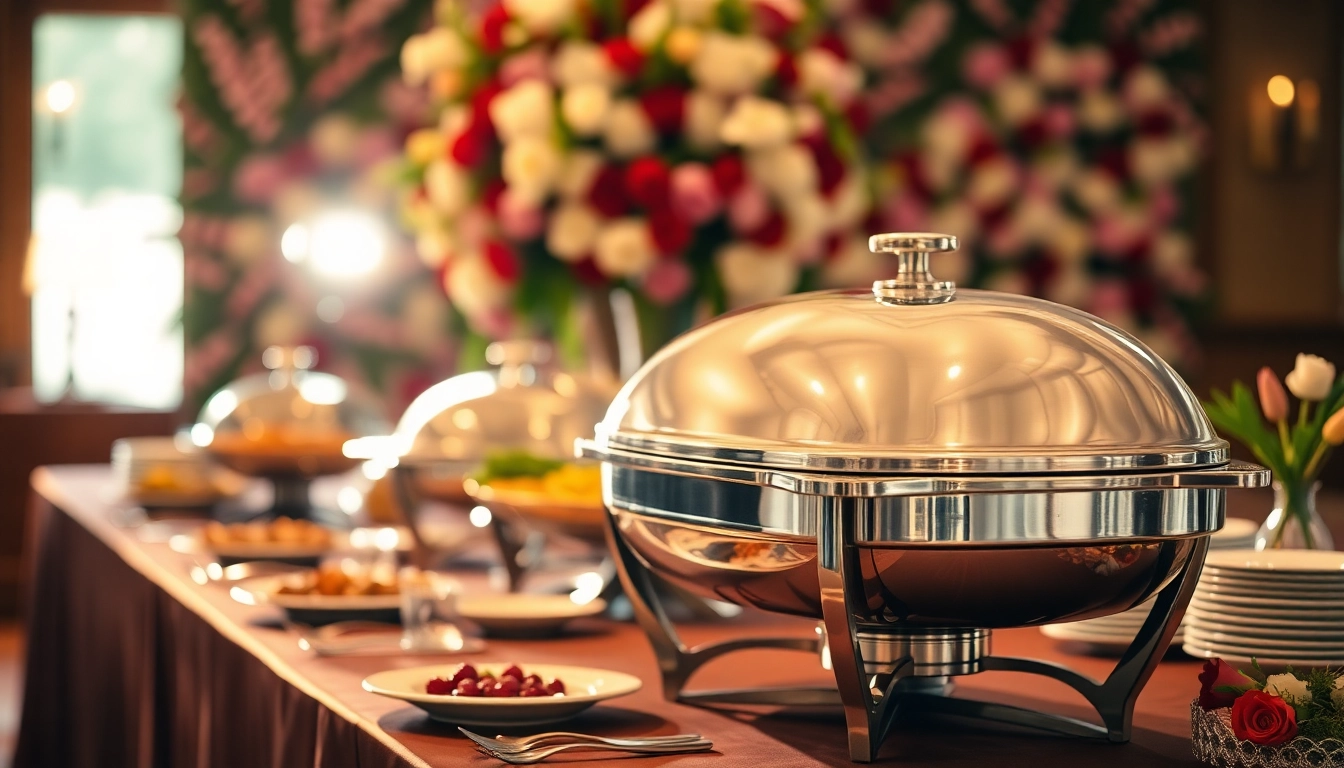
A chafing dish is defined as a metal cooking or serving vessel that holds food over a heat source without direct flame. Typically, the dish is elevated above a warmer or fuel source, allowing it to keep food at the optimal temperature for serving. The primary goal of a chafing dish is to facilitate buffet service or catering events where food safety and warmth are crucial.
Types of Chafing Dishes
Chafing dishes come in various types, each suited for different needs and aesthetics:
- Standard Chafing Dishes: Often rectangular or round, these are basic designs ideal for large gatherings.
- Roll Top Chafers: Featuring a lid that rolls to the back, these provide easy access while maintaining heat.
- Electric Chafers: These use electricity instead of traditional fuel, providing consistent heat and convenience.
- Induction Chafers: Designed for induction cooktops, they require specific cookware but ensure quick heating.
- Disposable Chafers: Made from aluminum and meant for single-use, these are ideal for outdoor events or casual gatherings.
Benefits of Using a Chafing Dish
The use of a chafing dish provides several advantages, including:
- Food Safety: Maintains food at safe temperatures to reduce the risk of spoilage.
- Ease of Service: Allows guests to serve themselves, promoting a more casual and accessible dining experience.
- Versatility: Can be used for various foods, from hot entrees to side dishes and desserts.
- Stylish Presentation: Available in various styles, enhancing the visual appeal of buffet tables.
Choosing the Right Chafing Dish for Your Needs
Factors to Consider When Selecting
When selecting a chafing dish, several factors come into play:
- Bands of Use: Determine whether you'll use it for casual gatherings or formal events, influencing your style choice.
- Size and Capacity: Assess the expected number of guests to select an appropriate size.
- Heat Source: Decide between traditional fuel-based or electric options based on availability and convenience.
Best Practices for Size and Capacity
Selecting the right size is crucial. Consider the following:
- For smaller gatherings, a two to four-quart capacity may suffice.
- Large events often necessitate dishes that hold at least six to ten quarts.
- It's recommended to consider a mix of sizes for a varied buffet experience.
Material Choices: Stainless Steel vs. Other Options
Choosing the material can significantly affect functionality and appearance:
- Stainless Steel: Offers durability, resist corrosion, and is easy to clean, making it a popular choice.
- Aluminum: Often lighter and more affordable but can dent easily compared to stainless steel.
- Glass and ceramic: Provide aesthetic appeal but may not retain heat as effectively as metal counterparts.
Setting Up Your Chafing Dish for Success
Step-by-Step Setup Guide
Setting up a chafing dish properly is essential for both safety and functionality:
- Begin by ensuring a stable and flat surface for the chafing dish.
- Place the heat source underneath the dish or plug in if using an electric model.
- Fill the well of the chafing dish with water to maintain moisture and prevent overcooking.
- Add your food to the top pan while ensuring it is heated to the proper temperature before serving.
How to Ensure Proper Food Temperature
Monitoring food temperature is crucial to ensure safety:
- Use a food thermometer to check if food stays within safe temperature zones (above 140°F).
- Replace the heating source as needed to maintain warmth.
- Avoid moving the chafing dish frequently as this may disrupt the temperature control.
Decorative Arrangements for Visibility
Enhance the buffet setup by considering the following:
- Use table linens that complement the theme of your event.
- Position dishes at varying heights to create visual interest.
- Label each dish clearly, allowing guests to identify food easily.
Chafing Dish Maintenance and Care
Cleaning Techniques for Longevity
Proper cleaning extends the lifespan of your chafing dish:
- After use, remove food residues promptly and wash with warm soapy water.
- Rinse and dry thoroughly to prevent rust.
- For stubborn stains, use non-abrasive cleaners to avoid scratching the finish.
Storing Your Chafing Dish Safely
Consider these tips when storing your chafing dish:
- Store in a dry place to prevent moisture buildup.
- Stack dishes carefully and cushion with cloths to avoid scratches.
- Avoid stacking too heavily—this can bend or damage the frames.
Common Repair Tips
Repairs happen; here’s how to address typical issues:
- For loose handles, check screws and tighten as needed to ensure stability.
- Dents in stainless steel can sometimes be hammered back into place gently.
- If the heat source connection is damaged, consult a professional for repair or replacement.
Hosting with Confidence: Make the Most of Your Chafing Dish
Tips for Successful Catering Events
To ensure your catering event is seamless, consider these strategies:
- Plan your menu to suit chafing dishes, selecting foods that hold well at temperature.
- Replenish food often to keep the buffet looking fresh and inviting.
- Assign staff to manage the chafing dishes, ensuring attention is given to food temperatures and refill needs.
FAQ on Chafing Dish Use
What is the best chafing dish to buy?
Look for dishes based on your needs; stainless steel options are usually best for durability, while electric models offer convenience.
Can I use a chafing dish for cold food?
Chafing dishes are designed primarily for hot foods. For cold items, consider using ice trays or separate serving dishes.
How long can food stay in a chafing dish?
Food should be kept in a chafing dish for no longer than 4 hours to stay within safe temperature guidelines.
Do I need water in the chafing dish?
Yes, adding water to the bottom well helps maintain moisture and control heat distribution.
Are disposable chafing dishes effective?
Disposable chafers are ideal for one-time use, providing convenience for outdoor events or casual gatherings. However, they may not retain heat as effectively.