Understanding Energy-Efficient HVAC Systems
The realm of heating, ventilation, and air conditioning (HVAC) encompasses a range of systems designed to improve indoor air quality and comfort. Among these, energy-efficient HVAC systems stand out for their ability to deliver comfort while reducing energy consumption and costs. This article will dissect the fundamental concepts of energy-efficient HVAC systems, explore their technologies, delve into the installation and maintenance best practices, and calculate energy savings for optimal efficiency.
What are Energy-Efficient HVAC Systems?
Energy-efficient HVAC systems are designed to minimize energy consumption while providing effective heating and cooling solutions. These systems utilize advanced technologies and methods to enhance operational efficiency. Key components often include high-efficiency furnaces, heat pumps, air conditioners, and ventilation systems, all optimized to operate at higher efficiencies than traditional systems.
Key Benefits of Energy-Efficient HVAC Systems
- Lower Energy Bills: By using less energy, these systems significantly reduce monthly utility costs.
- Environmental Impact: Greater efficiency results in lower carbon emissions, contributing to a healthier planet.
- Improved Comfort: Energy-efficient systems often provide better temperature control and air quality.
- Increased Property Value: Homes equipped with energy-efficient HVAC systems can see an increase in market value.
- Rebates and Incentives: Many government programs offer financial incentives for installing energy-efficient systems.
How to Choose the Right Energy-Efficient HVAC System
Choosing the right system involves understanding specific needs and evaluating several key elements such as:
- Home Size and Layout: Larger homes may require more robust systems or multiple units for optimal effectiveness.
- Climate: Your local climate greatly influences the type of system that will perform best.
- System Type: Decide between central air systems, ductless systems, or hybrid solutions based on your heating and cooling needs.
- Energy Ratings: Look for systems with high Seasonal Energy Efficiency Ratio (SEER) ratings for air conditioning and Annual Fuel Utilization Efficiency (AFUE) for heating.
Energy-Efficient HVAC Technologies
Smart Thermostats in Energy-Efficient HVAC Systems
Smart thermostats represent a significant innovation in the HVAC industry, allowing users to remotely control their home’s heating and cooling settings through smartphones or home automation systems. These devices learn user habits and adjust accordingly, leading to optimal energy usage while maintaining comfort. Features like geofencing, scheduling, and energy usage reports help homeowners fine-tune their energy consumption like never before.
Variable Speed Fan Motors Explained
Traditional HVAC systems typically operate at a single speed, which can result in rapid temperature changes and higher energy use. In contrast, variable speed fan motors can adjust their speed based on the heating or cooling needs. This flexibility not only enhances comfort by providing more consistent temperatures but also reduces energy use significantly—potentially by up to 30% more compared to single-speed motors.
Comparing Different System Types
Energy-efficient HVAC systems come in various forms, each suited to different environments and preferences:
- Heat Pumps: These can both heat and cool spaces using electricity. They are particularly efficient in moderate climates.
- Central Air Conditioning: Best for larger homes, central systems use ductwork to circulate cool air.
- Ductless Mini-Splits: These units are ideal for older homes without ductwork and provide zoned heating and cooling.
- Geothermal Systems: Utilizing the earth's constant temperature, these systems are highly efficient but require significant installation investment.
Installation and Maintenance Best Practices
Professional Installation Benefits
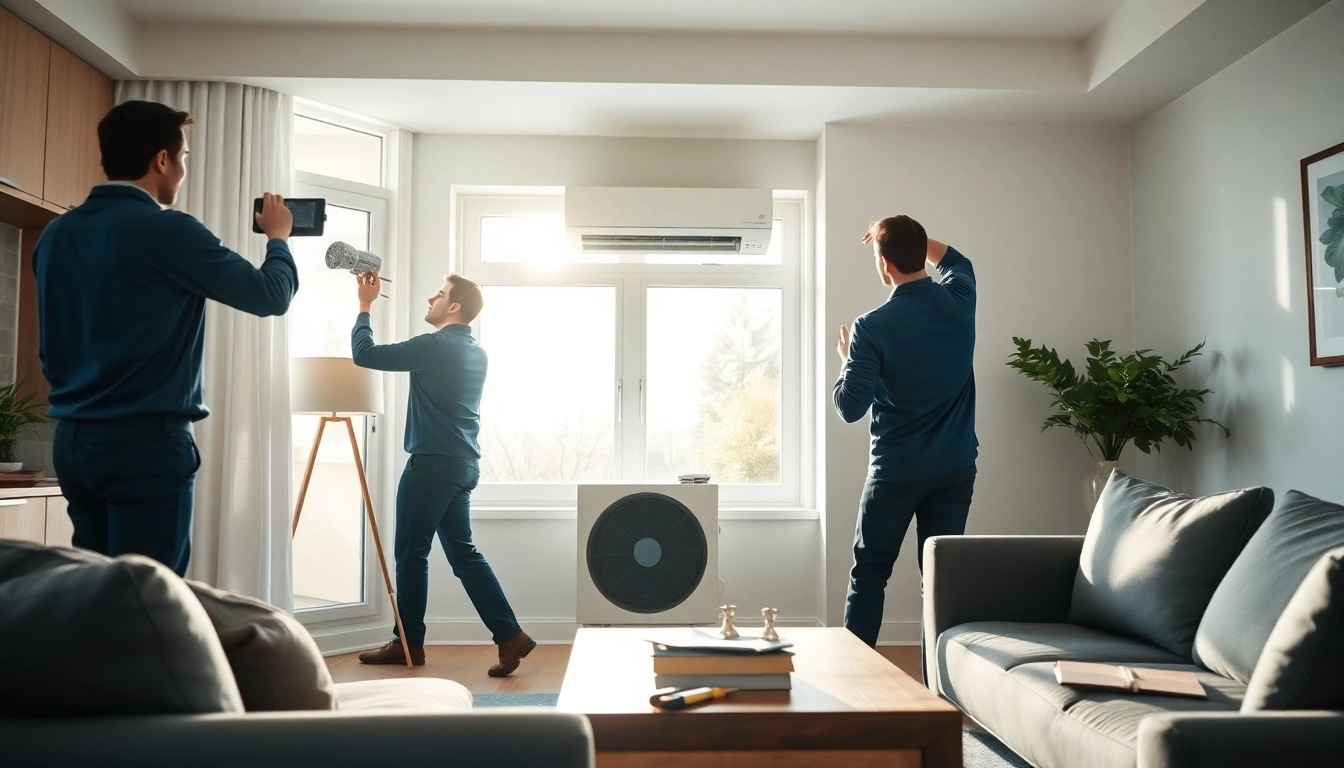
While DIY installations may be tempting to save costs, professional installation ensures systems function safely and efficiently. Professionals have the expertise to calibrate systems accurately and identify any potential issues early. A correctly installed system can lead to optimal performance, energy savings, and a longer lifespan.
Routine Maintenance Tips for Efficiency
Routine maintenance is essential for sustaining the efficiency of energy-efficient HVAC systems. Here are some essential tips:
- Replace or clean air filters every month or as recommended.
- Schedule annual professional tune-ups to keep components in peak condition.
- Clean ductwork as needed to ensure proper airflow.
- Check and calibrate thermostats to ensure accuracy.
Signs Your HVAC Needs Repair
- Inconsistent Temperatures: If some rooms are too hot or cold, it may indicate airflow issues.
- Strange Noises: Unusual sounds could be a sign of component wear or failure.
- Increased Energy Bills: A sudden spike may suggest inefficiency or issues within the system.
- Humidity Levels: If your home feels excessively humid, the HVAC system might not be functioning correctly.
Calculating Energy Savings
Understanding SEER Ratings
SEER, or Seasonal Energy Efficiency Ratio, is a key metric that measures the cooling efficiency of air conditioning systems. The higher the SEER rating, the more energy-efficient the system is. For example, a system with a SEER rating of 16 will use less energy for the same cooling output compared to one rated at 13. Homeowners are encouraged to choose systems with SEER ratings of 14 or higher for optimal energy efficiency.
Long-Term Cost Benefits of Energy-Efficient HVAC
Investing in energy-efficient HVAC systems may have higher upfront costs, but the long-term cost benefits are substantial. Homeowners can save hundreds of dollars annually through reduced energy bills and increased system reliability. Additionally, energy-efficient systems have longer lifespans, requiring fewer replacements over time, which compounds the savings further.
Energy Audits: What to Expect
An energy audit involves evaluating a home to determine its energy use and identify areas for improvement. During an audit, professionals assess insulation, appliances, and HVAC systems to recommend upgrades or changes for enhanced efficiency. Home energy audits are crucial steps before selecting and implementing energy-efficient HVAC systems.
FAQs About Energy-Efficient HVAC Systems
How do energy-efficient HVAC systems work?
Energy-efficient HVAC systems use advanced technology to optimize energy use while providing effective heating and cooling, minimizing waste, and ensuring comfort.
What is the initial cost of energy-efficient HVAC systems?
Initial costs can vary widely based on the system type, size, and installation complexity, but investing in these systems typically pays off through savings in energy bills.
Are energy-efficient HVAC systems worth the investment?
Yes, while they can be more expensive upfront, the savings on energy bills, tax incentives, and improved comfort make them a valuable long-term investment.
How can I improve my current HVAC system's efficiency?
You can improve efficiency by regularly changing air filters, sealing ductwork, and scheduling professional maintenance to keep the system operating optimally.
What maintenance do energy-efficient HVAC systems require?
Common maintenance needs include regular filter changes, professional inspections, and cleaning to ensure optimal performance and energy efficiency.