Understanding Peel & Stick Wall Paneling
What is Peel & Stick Wall Paneling?
Peel & stick wall paneling refers to lightweight panels that come equipped with a self-adhesive backing, allowing them to be easily applied to various surfaces without the need for glue, nails, or additional adhesives. This innovative design offers a quick and efficient way to enhance your home's aesthetics, making it an ideal choice for both seasoned DIY enthusiasts and those new to home renovation projects. Instead of engaging in lengthy and messy installation processes, users can achieve a striking wall transformation in a matter of hours. From textured wood finishes to sleek modern designs, peel & stick wall paneling offers versatility in style and application.
Benefits of Peel & Stick Wall Paneling
Peel & stick wall paneling has gained significant popularity in recent years due to its myriad of benefits:
- Ease of Installation: The DIY-friendly nature means homeowners can complete a project without professional help, whereas traditional wall boarding requires tools and skills.
- Cost-Effective: The affordability of materials and reduction in labor costs make it a budget-friendly renovation option.
- Variety of Designs: Available in numerous styles, colors, and textures, allowing personalization to fit any theme.
- Removable: Ideal for temporary installations, as the panels can be easily removed without damaging the wall surface.
- Minimal Maintenance: Easy to clean and maintains durability, making them suitable for busy households.
Types of Peel & Stick Wall Paneling
Peel & stick wall paneling comes in several types, each suited for different aesthetic goals and functional needs:
- Wood Panels: Mimic the appearance of real wood, adding warmth and texture to interiors.
- Stone and Brick Panels: Provide a rugged and authentic look of stone or brick walls, ideal for industrial-themed spaces.
- Metal Panels: Offer a sleek, modern appearance and are also useful for backsplash applications in kitchens.
- Fabric Panels: Soft to the touch and often used in bedrooms or living rooms for added comfort and design depth.
Installation Guide for Peel & Stick Wall Paneling
Preparation Steps for Installation
The success of peel & stick wall paneling greatly depends on proper preparation:
- Select the Right Surface: Ensure it’s smooth, clean, and free from dust and grease. Suitable surfaces include drywall, plywood, and certain painted finishes.
- Measure and Plan: Measure the wall space to determine how many panels are required. It’s advisable to create a layout plan for an aesthetically pleasing arrangement.
- Gather Tools: Although installation requires minimal tools, you may need a utility knife for cutting panels, a ruler or measuring tape, and a level.
- Check Temperature: Ensure the project space is at a suitable temperature for application, as extreme temperatures can affect adhesion.
Step-by-Step Installation Process
Follow these detailed steps for optimal results:
- Start with a Corner: Begin installation from a corner or an edge for a seamless finish.
- Peel the Backing: Carefully peel away the backing film, exposing the adhesive.
- Align the Panel: Position the panel against the wall, ensuring alignment with your layout plan.
- Press Firmly: Starting from the center and working your way outwards, press the panel firmly to eliminate air bubbles.
- Cut Panels as Needed: Use a utility knife to trim edges as necessary to fit around switches or outlets.
- Continue the Process: Repeat until the entire area is covered, and always check for alignment strength.
Common Mistakes to Avoid
Avoid these common pitfalls to ensure a successful installation:
- Skipping Surface Prep: Not cleaning or prepping the wall can lead to adhesion failures.
- Inaccurate Measurements: Always double-check your measurements; cutting panels short can ruin a project.
- Ignoring Temperature Effects: Install in conditions that meet the manufacturer's recommendations for adhesion and flexibility.
- Applying Too Quickly: Allow panels to acclimate to room temperature before installation to avoid contraction or expansion issues.
Creative Ways to Use Peel & Stick Wall Paneling
Accent Walls with Peel & Stick Wall Paneling
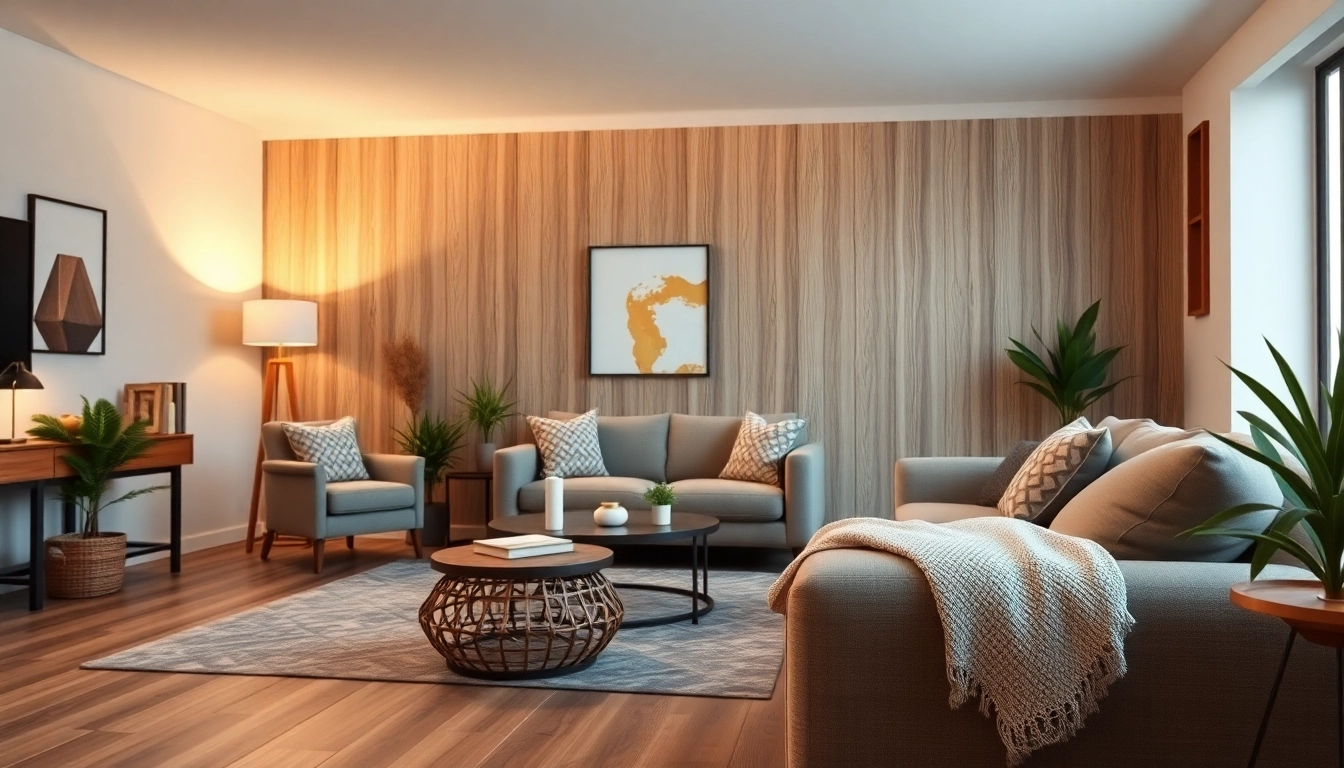
One of the most popular applications for peel & stick wall paneling is creating striking accent walls. By covering a single wall with a bold pattern or color, you can transform any space instantly. Choose a small wall in a living room or the headboard wall in a bedroom to draw attention and create a focal point. Combining multiple panel types, such as a wood base with a stone top, can produce an eye-catching layered effect.
DIY Projects Featuring Peel & Stick Wall Paneling
Beyond traditional wall installations, peel & stick wall paneling can redefine furniture and accessories. Here are some DIY ideas:
- Furniture Makeover: Use panels to update tabletops or cabinets, giving old pieces new life.
- Headboards: Create a custom headboard by affixing panels to a lightweight board frame.
- Backsplashes: Ideal for kitchens and bathrooms, panels can create stunning backsplash designs without the mess of traditional tiling.
- Ceiling Decorations: Use panels to give architectural interest to a flat ceiling for a cozy ambiance.
Combining Styles: Modern to Rustic
Peel & stick wall paneling allows for creative expression by seamlessly blending various design aesthetics. For instance, modern designs can benefit from sleek metallic panels, while rustic themes can be enriched with textured wood finishes. Mixing panel styles can lead to unique decorative elements within a home, such as pairing soft fabric panels with industrial metal accents. Harmonizing different styles can create a truly personal space that reflects your individual taste.
Maintenance of Peel & Stick Wall Paneling
Cleaning Tips for Longevity
To maintain the beauty and durability of peel & stick wall paneling, regular cleaning is essential:
- Use a soft, damp cloth to wipe the panels, avoiding abrasive materials that could scratch the surface.
- For tougher stains, a mild soap solution can be used, but ensure that it’s thoroughly rinsed off afterward.
- Avoid excessive moisture, especially in high-humidity areas, as it can affect the adhesive quality over time.
Repairing Damages in Peel & Stick Wall Paneling
Despite their durability, peel & stick wall paneling can incur minor damages. Here’s how to handle them:
- Small Tears or Scratches: Minor issues can often be repaired with adhesive or by using a touch-up paint that matches the panel's color.
- Damaged Panels: If a panel is significantly damaged, it may be best to replace it entirely. Carefully peel it off and apply a new panel in its place.
When to Replace Your Panels
Knowing when to replace your peel & stick wall paneling is crucial for maintaining aesthetics. Consider replacing panels when:
- They exhibit significant wear or fading from sun exposure.
- They become peeling or loose, particularly in high-humidity areas.
- If you desire a fresh look and want to change your decor style.
Frequently Asked Questions
How durable is peel & stick wall paneling?
Peel & stick wall paneling is designed to be durable and can withstand various indoor conditions. However, proper installation is crucial for longevity.
Can I use peel & stick wall paneling in a bathroom?
Yes, as long as the panels are water-resistant, peel & stick wall paneling can be used in bathrooms. Ensure proper sealing around wet areas.
Is peel & stick wall paneling removable?
Yes, peel & stick wall paneling can be removed easily without damaging the underlying surface, which makes it a great temporary solution.
What surfaces can peel & stick wall paneling adhere to?
Peel & stick wall paneling adheres well to smooth, clean surfaces like drywall, plywood, and even some painted walls, but avoid textured surfaces.
How do I ensure my peel & stick wall paneling stays in place?
Ensure the surface is thoroughly cleaned before application, and press firmly while installing. Using additional adhesive can help in high-humidity areas.