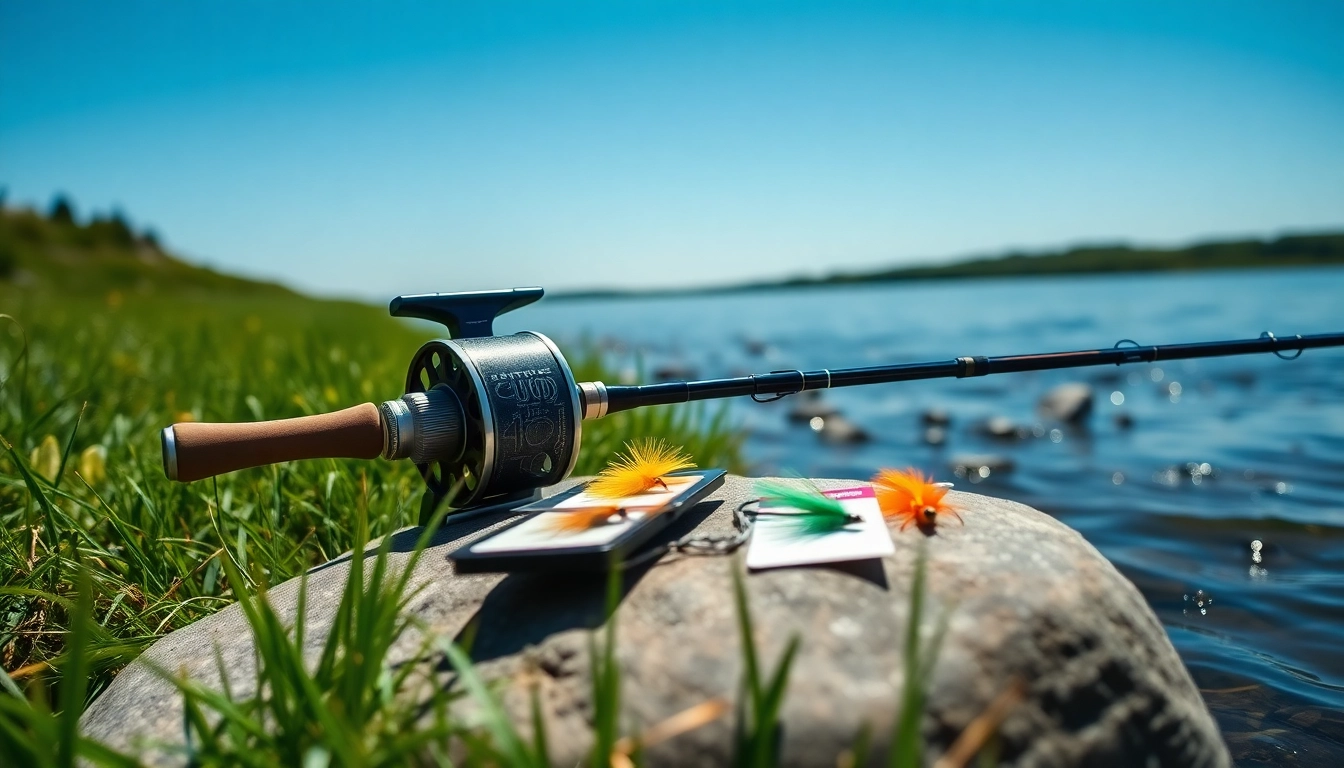
Understanding Your Fly Fishing Kit Essentials
Fly fishing is a captivating sport, cherished by enthusiasts for its blend of patience, skill, and strategy. The cornerstone of any successful fly fishing experience is undoubtedly the fly fishing kit. A well-assembled kit caters to your specific fishing style and the species you target, making it essential to understand its core components. In this section, we'll break down the key elements that constitute a fly fishing kit, ensuring you're well-equipped for your next adventure.
Key Components of a Fly Fishing Kit
A fly fishing kit is not just a collection of gear; it's an integrated system designed to optimize your fishing experience. The following components are vital:
- Fly Rod: The fly rod is a crucial element, influencing your casting performance and ability to catch fish. Rods come in various lengths and weights, each suited for specific types of flies and fishing environments.
- Fly Reel: The reel is used to store your line and manage the fish once hooked. A good fly reel balances weight and strength, allowing for smooth line retrieval and impressive drag on larger catches.
- Fly Line: Fly line is thicker than traditional fishing line and comes in floating or sinking varieties. The type you choose will depend on your fishing technique and the habitats you intend to explore.
- Leader Line: This is a lighter line that connects your fly to the main line, allowing for a delicate presentation on the water surface.
- Flies: Flies imitate various aquatic insects; selecting the right flies for your target species increases your chances of success. They come in different patterns, sizes, and colors.
- Accessories: Don't overlook accessories like leaders, tippet material, floatant, and a fly box, which are essential for a seamless fishing experience.
Selecting the Right Rod and Reel
Choosing the right rod and reel is foundational to your fly fishing success. Factors to consider include:
- Rods: The length and weight of your rod should correlate with the species you're targeting. For instance, a 9-foot, 5-weight rod is versatile for trout fishing, while a 10-foot rod may be better for larger species or casting in windy conditions.
- Reels: Select a reel that complements your rod's weight. Your reel should also have a reliable drag system to manage fighting fish effectively.
It's advisable to visit local tackle shops or consult with experienced anglers to test different rod and reel combinations before making your purchase.
Choosing Flies for Different Species
Flies are meticulously crafted to mimic various prey, and understanding which flies to use can significantly improve your success rate. Here’s a quick guide:
- Trout: Patterns like Adams, Elk Hair Caddis, and Woolly Bugger are popular choices for catching trout in streams and lakes.
- Bass: Consider using larger flies like poppers or streamers that create a commotion or mimic larger baitfish.
- Panfish: Small nymphs and dry flies like the Pheasant Tail are effective when targeting species such as bluegill and crappie.
Experimenting with fly selection based on water conditions and fish behavior is vital. Often, consulting local fishing reports can provide insight into which flies are currently successful.
Types of Fly Fishing Kits: Which One is Right for You?
Understanding the different types of fly fishing kits available is essential to make an informed choice. Whether you're a beginner or a seasoned angler, selecting the right kit can enhance your fishing experience.
Beginner Kits vs. Advanced Kits
For those just starting with fly fishing, beginner kits are designed to provide everything necessary to get started at a more affordable price. These kits typically include:
- Basic rod and reel setup
- A selection of beginner-friendly flies
- Essential accessories, such as a fly box and leader line
In contrast, advanced kits cater to experienced anglers and often include higher-quality materials and specialized equipment, such as:
- Premium rods and reels
- A comprehensive range of flies for different species and conditions
- Advanced accessories and customized items for specific fishing techniques
Choosing the right kit ultimately boils down to your experience level and fishing goals. If you're unsure, consider starting with a beginner kit and gradually upgrading as you learn and improve.
The Importance of Specialty Kits
For anglers with specific preferences or fishing environments, specialty kits can make a significant impact. Some common types of specialty kits include:
- Saltwater Fly Fishing Kits: These kits are tailored with equipment and flies designed for saltwater species, accounting for the unique conditions present in coastal environments.
- Freshwater Stream Kits: Ideal for river fishing, these kits often prioritize lightweight rods and flies that mimic aquatic insects found in moving waters.
- Targeted Species Kits: Certain kits focus solely on popular sport fish, such as trout kits, bass kits, or pike kits, containing optimized gear and fly selections.
Specialty kits not only enhance your fishing efficiency but also provide tailored tools and resources for achieving your fishing objectives.
What to Look for in a Fly Fishing Kit
When selecting a fly fishing kit, consider the following factors for optimal performance:
- Quality of Equipment: Invest in reputable brands known for durability and performance.
- Versatility: Choose a kit that allows for various fishing techniques and environments, giving you the flexibility to adapt.
- User Reviews: Research feedback from other anglers to gauge the effectiveness and reliability of specific kits.
- Price: While it’s tempting to go for the least expensive option, consider the value that each component contributes to the overall kit.
By carefully evaluating these aspects, you can curate a fly fishing kit that maximizes your fishing potential.
How to Effectively Use Your Fly Fishing Kit
Having a fly fishing kit is one thing; knowing how to utilize it effectively is another. This section will walk you through fundamental techniques and common pitfalls to avoid for a successful outing.
Basic Fly Casting Techniques
Mastering fly casting is crucial in fly fishing. Here are essential techniques:
- Rear Cast: Lift your rod smoothly behind you, allowing the line to extend in preparation for the forward cast.
- Forward Cast: Transitioning from the rear cast to the forward cast involves a smooth motion, propelling the line forward while maintaining a high rod tip.
- Drop Cast: A method used to drop your fly accurately in a desired location without spooking the fish.
- Double Haul: An advanced technique where you pull on the line during the back and forward casts to increase line speed and distance.
Practicing these techniques on land before hitting the water can enhance your proficiency while fishing.
Understanding Different Fishing Environments
Variations in fishing environments - whether it's a river, stream, lake, or ocean - dictate your tactics and gear choices. Here’s what you should know:
- Rivers and Streams: Here, current speed and structure are significant factors; select small dry flies or nymphs, and adapt your casting technique to prevent snagging.
- Lakes: Larger flies may be necessary, especially if targeting species like trout or bass. Pay attention to wind conditions, as it may impact casting.
- Saltwater Fishing: This requires more durable gear, as saltwater can corrode equipment. Understand tidal patterns and target species using appropriate flies.
Each environment presents unique challenges and opportunities, and gaining experience in varied settings can accelerate your learning curve.
Common Mistakes to Avoid
Even seasoned anglers can fall victim to common errors in fly fishing. Here are a few mistakes to watch out for:
- Not Matching the Hatch: Failing to select flies that replicate the local aquatic insects leads to decreased catch rates. Observe what’s on the water.
- Reckless Casting: Inadequate focus on technique can lead to tangles and missed opportunities; practice makes perfect.
- Ignoring Weather Patterns: Weather impacts fish behavior; studying conditions can help refine your strategy.
- Neglecting Equipment Maintenance: Equipment care is crucial. Replace worn lines, inspect knots, and clean reels regularly for optimal performance.
By being aware of these common pitfalls, you can significantly enhance your overall fly fishing experience.
Maintenance and Care of Your Fly Fishing Kit
A well-maintained fly fishing kit not only performs better but also lasts longer. Monitoring equipment and implementing routine care is essential for any serious angler.
Cleaning Your Rod and Reel
Regular cleaning of your fly rod and reel is vital for longevity:
- Rod: After each use, wipe the rod with a damp cloth, paying attention to the guides and reel seat. Avoid using chemical cleaners that may damage components.
- Reel: Rinse the reel in freshwater after saltwater fishing trips. Remove the line and ensure that the drag system operates smoothly.
By keeping your gear clean, you can prevent unnecessary wear and tear, ensuring a smoother fishing experience.
Storing Your Flies Correctly
Flies can become damaged or spoiled if not stored properly. Consider these storage tips:
- Dry Storage: Keep your flies dry and store them in a tackle box with separators to prevent them from crushing each other.
- Humidity Control: Use silica gel packs in your fly boxes to manage moisture and prevent rusting of hooks.
Proper storage helps in maintaining the integrity and effectiveness of your flies, increasing your catch chances during fishing trips.
Regular Inspection and Replacement of Equipment
Routine inspections of your gear can save you from unexpected issues while fishing:
- Line Condition: Check for frays or weak spots regularly, and replace if necessary to avoid losing catches.
- Rod and Reel Integrity: Inspect guide frames and reel components for damage, replacing any worn parts to keep your setup in top shape.
- Fly Selection: Periodically assess your fly collection and replace any excessively worn flies or patterns that have proven ineffective.
These maintenance practices ensure your fly fishing kit is always prepared for your adventures.
Enhancing Your Fly Fishing Experience
In addition to effectively using and maintaining your kit, there are numerous strategies to enhance your fly fishing experience and make the most out of your time on the water.
Integrating Technology with Your Fly Fishing Kit
Technology can greatly enhance your fishing adventures. Here are some modern tools to consider:
- Smartphone Apps: Apps for tracking weather conditions, mapping fishing spots, and identifying local species can significantly improve your fishing strategy.
- Fish Finders: These devices utilize sonar technology to detect the presence of fish, allowing you to target hot spots on larger bodies of water.
- Action Cameras: Capturing your fishing activities through video can provide insights into your techniques and progress over time.
Embracing technology not only brings advantages but can also enhance the enjoyment and productivity of your fishing trips.
Joining Local Fishing Communities
Engaging in local fishing communities provides invaluable resources and assistance. Here are a few benefits:
- Knowledge Exchange: Local anglers often have a wealth of knowledge about the specific waters you’re fishing, including which flies are most effective.
- Networking Opportunities: Building relationships within the community may lead to opportunities for guided trips, alternate locations, or sharing gear.
- Events and Contests: Many fishing communities host events and competitions, allowing participants to showcase their skills while learning from others.
Joining local communities fosters a supportive environment to grow your skills and make lasting connections.
Keeping a Fishing Journal to Track Progress
Maintaining a fishing journal can elevate your skills significantly. Here’s how it can benefit you:
- Record Conditions: Document the weather, water conditions, and time of year along with your catches.
- Track Fly Success: Keep track of which flies were successful under various conditions, allowing you to refine your strategies.
- Reflect on Experiences: Use the journal to reflect on what went well and what can be improved, promoting growth as an angler.
By maintaining a record of your trips, you can cultivate a deeper understanding of your local fishing environments and improve your overall success.