
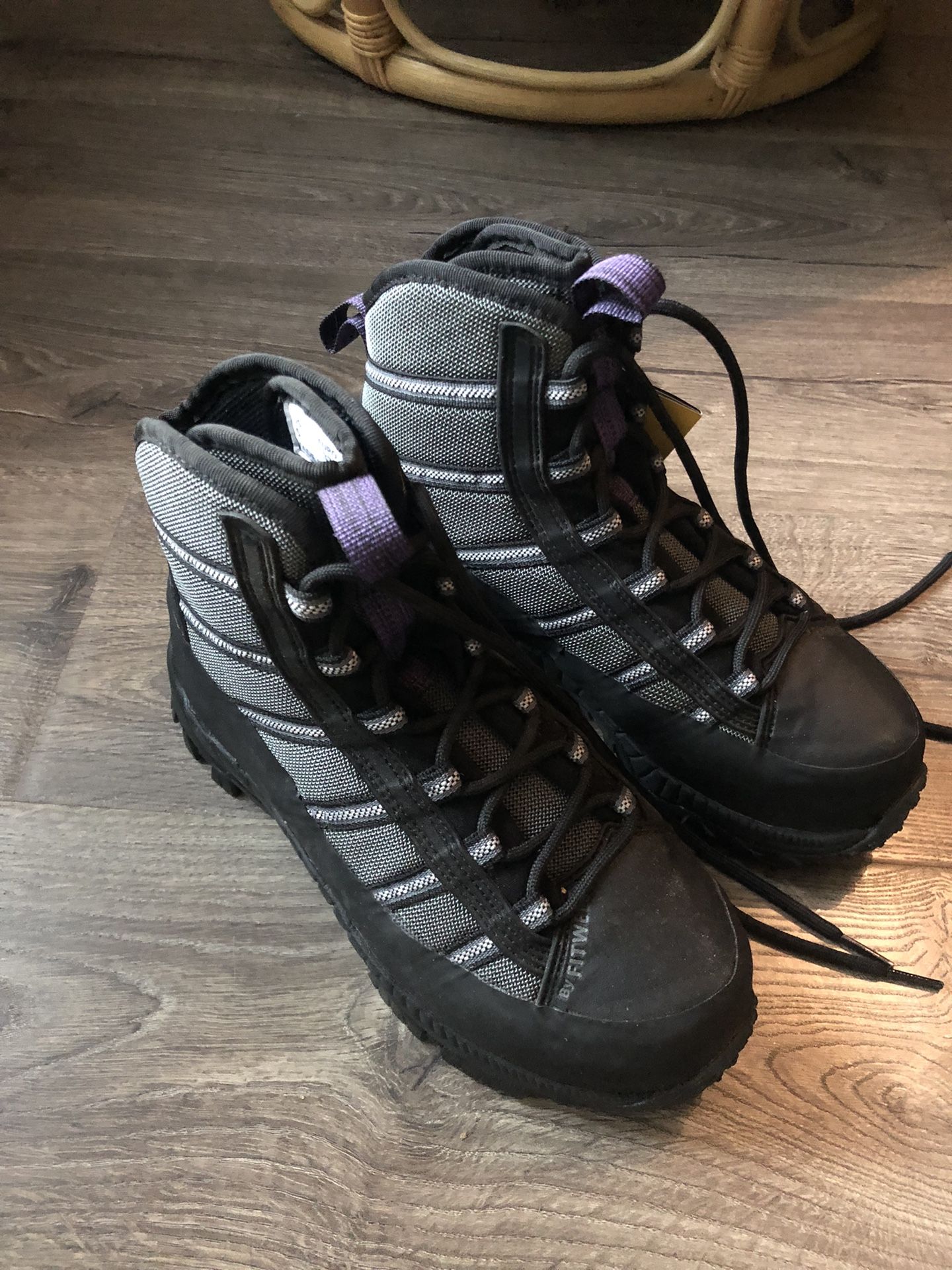
Fly fishing is an exhilarating outdoor activity that combines skill, patience, and a deep connection with nature. However, enjoying a day on the river or lake requires the right gear, and one of the most critical pieces is your footwear. Choosing the right fly fishing boots is essential for both comfort and safety. With the proper boots, you can wade through streams confidently, reduce the risk of injuries, and make your fly fishing experience far more enjoyable.
Understanding the Importance of Fly Fishing Boots
Many anglers underestimate the value of high-quality fly fishing boots, yet they play a vital role in ensuring safety on slippery riverbeds. These boots provide traction on wet rocks, protection against sharp objects, and support for your feet during long hours of wading. Without proper footwear, you risk slipping, falling, or developing foot fatigue, which can ruin your fishing adventure. Therefore, investing time in selecting the right boots is just as important as choosing your fly rod or fly line.
Types of Fly Fishing Boots
There are several types of fly fishing boots available, each designed for specific conditions and preferences.
- Wading Boots: These are designed to be worn while wading in rivers or streams. They often feature felt or rubber soles to provide traction in wet and slippery environments. Wading boots may also include reinforced toes and ankle support for additional safety.
- Bootfoot Waders: Some anglers prefer boots that are attached to waders, known as bootfoot waders. These boots eliminate the need to wear separate shoes and provide a seamless fit for better water protection.
- Stockingfoot Waders: These waders require separate fly fishing boots, giving you the flexibility to choose the exact style and fit you prefer. This option is often favored by anglers who fish in varied terrains and need customizable traction.
Key Features to Look For
When choosing fly fishing boots, consider the following features:
- Sole Material: Felt soles provide excellent grip on slippery rocks but may not be allowed in certain regions due to environmental concerns. Rubber soles offer durability and versatility across different water types. Some modern boots combine rubber and felt to maximize traction and compliance with regulations.
- Ankle Support: Wading can be strenuous on your ankles, especially in uneven riverbeds. Boots with firm ankle support reduce the risk of sprains and injuries.
- Fit and Comfort: A well-fitting boot prevents blisters, foot fatigue, and discomfort during long fishing trips. Consider trying on boots with the socks you intend to wear while wading to ensure a proper fit.
- Drainage and Breathability: Boots with proper drainage prevent water from pooling inside, while breathable materials help keep your feet dry and comfortable.
- Weight: Lighter boots are easier to walk in, but heavier boots may offer more durability and stability in fast-moving waters. Choose a weight that balances comfort and performance.
Safety Considerations
Safety is paramount when selecting fly fishing boots. Slip-resistant soles are crucial to prevent falls on wet rocks, while reinforced toes protect against sharp objects in the water. Additionally, high-quality boots can support your ankles and reduce fatigue, which enhances overall safety during long wading sessions. Always check local regulations, as some waterways restrict felt-soled boots due to invasive species concerns.
Maintaining Your Fly Fishing Boots
Proper maintenance extends the lifespan of your fly fishing boots and ensures consistent performance. Rinse your boots with fresh water after each use to remove dirt, mud, and fish residue. For felt-soled boots, use a stiff brush to clean the soles and allow them to air dry completely before storage. Rubber-soled boots benefit from conditioning treatments that prevent cracking and keep the material supple. Regularly inspecting your boots for wear and tear is essential to maintain both safety and comfort on the water.
Tips for Choosing the Right Size
Choosing the correct size is crucial for both comfort and performance. Boots that are too tight can cause blisters, while loose boots may lead to instability. When selecting fly fishing boots, try them on with your wading socks and account for the thickness of the material. Walk around in the boots to ensure there is no pinching or slippage, and pay attention to arch support, which can significantly affect comfort during extended fishing trips.
Conclusion
Selecting the right fly fishing boots is an investment in your safety, comfort, and overall fly fishing experience. By understanding the different types of boots, focusing on fit, and prioritizing essential features like traction, ankle support, and durability, you can confidently navigate rivers and streams while minimizing the risk of injury. Proper maintenance and careful attention to sizing will extend the life of your boots and ensure they continue to provide optimal performance season after season. With the right pair, you can focus on the thrill of fly fishing and fully enjoy the beauty of the outdoors without worrying about your footing or comfort.