Understanding Steel Structure Design
In the contemporary realm of architecture and construction, steel structure design stands out as a fundamental aspect of modern engineering practices. This design methodology exploits the unique characteristics of steel, creating structures that are not only strong and versatile but also aesthetically pleasing and efficient. As urban spaces evolve, understanding this design approach becomes essential for architects, engineers, and builders alike, demanding a nuanced comprehension of its principles and applications.
What is Steel Structure Design?
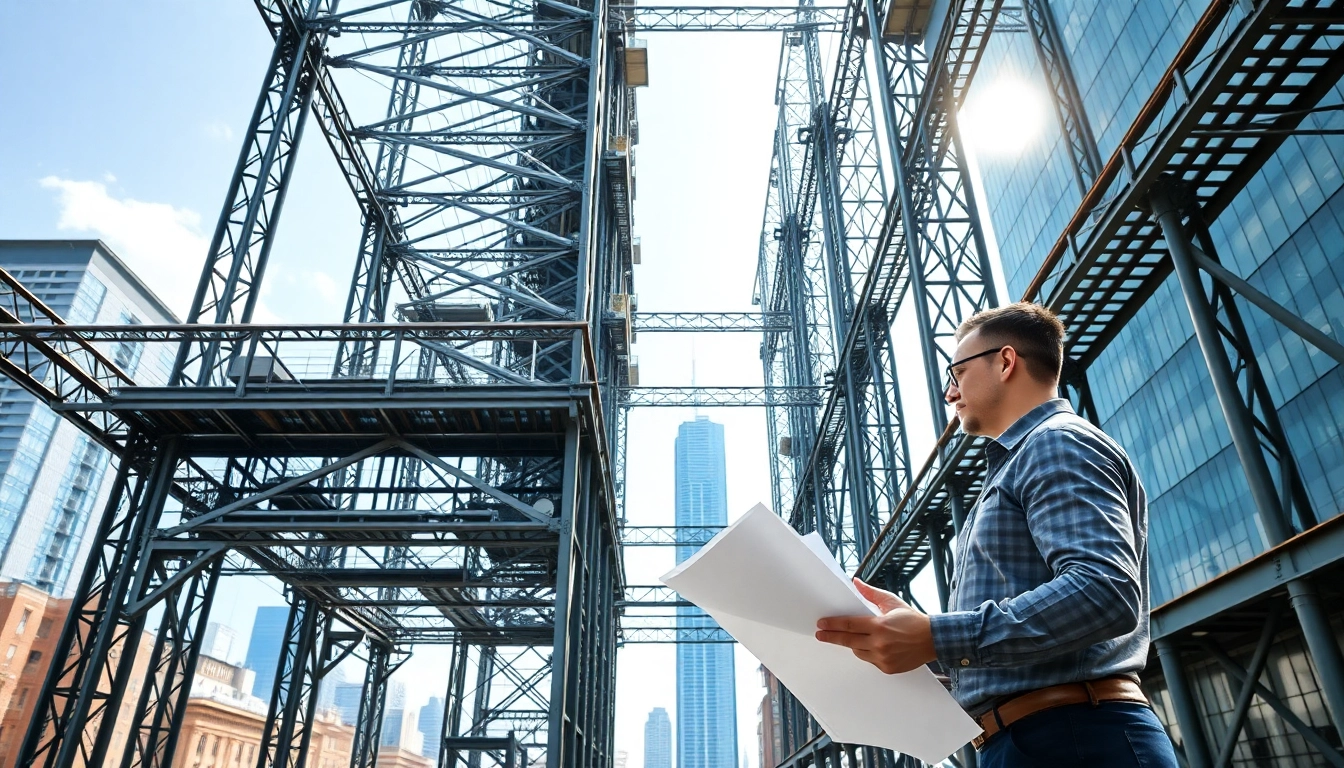
Steel structure design refers to the engineering discipline that involves the creation and analysis of structures made primarily of steel. These can range from simple frameworks to intricate skyscrapers. The primary goal of steel structure design is to ensure that these edifices can withstand various loads and forces, such as weight, wind, and seismic activity, while also being economical and efficient in materials use. This design approach incorporates structural analysis, material mechanics, and architectural aesthetics to culminate in safe and functional built environments.
Benefits of Steel Structures in Construction
The advantages of steel structures are myriad. Firstly, steel is known for its strength-to-weight ratio, which allows for taller buildings and wider spans without the requirement for numerous supports. Furthermore, steel can be prefabricated, leading to reduced construction time and improved accuracy. Its resistance to fire, termites, and decay further enhances its suitability for varied environments, reducing maintenance concerns over time. Additionally, steel structures offer the potential for recycling, contributing to more sustainable building practices.
Common Applications of Steel Structure Design
Steel structure design is utilized across various applications, including commercial buildings, industrial facilities, bridges, and even residential units. In the commercial sphere, it supports high-rise buildings due to its strength and flexibility, enabling complex designs and achieving energy efficiency. Industrial applications frequently incorporate steel for warehouses and manufacturing plants, where large open spaces are necessary. Bridges made of steel are vital for transportation infrastructure, featuring designs that can endure heavy loads and varying environmental conditions. Lastly, modern residential designs utilize steel for both structural support and aesthetic elements, making it a versatile choice in architecture.
Elements of Steel Structure Design
Material Selection for Steel Structures
The selection of materials is a critical component of steel structure design. Various types of steel, including carbon steel, stainless steel, and alloy steel, offer different characteristics suited for specific applications. Carbon steel, for example, is known for its high strength and is commonly used in construction. On the other hand, stainless steel provides excellent corrosion resistance, ideal for structures exposed to harsh environments. The choice of material not only dictates the structural integrity but also affects the overall cost, sustainability, and durability of the project.
Structural Analysis and Load Considerations
Conducting thorough structural analysis is integral to steel structure design. Engineers must account for various loads, including dead loads (the weight of the structure itself), live loads (variable weights from occupants and furniture), and environmental loads (such as wind and seismic forces). Techniques like finite element analysis (FEA) are employed to simulate how structures will perform under different conditions, ensuring that safety standards are met and that structures can withstand the forces they will encounter throughout their lifespan.
Design Standards and Regulations for Steel Structures
Adhering to design standards and regulations is vital in steel structure design. Governments and industry organizations set forth guidelines to ensure safety, structural integrity, and environmental sustainability. Codes such as the American Institute of Steel Construction (AISC) specifications and the International Building Code (IBC) provide frameworks that guide engineers through the design process. Compliance with these standards is not only a legal requirement but enhances the credibility and safety of structures.
Challenges in Steel Structure Design
Identifying Common Design Flaws
Despite its benefits, steel structure design is not devoid of challenges. One common issue is a misunderstanding of load requirements, leading to inadequately designed support systems that can jeopardize a structure's integrity. Additionally, improper detailing can result in welded joints that are not adequately reinforced, presenting a risk for structural failure. It is crucial for engineers to be vigilant in analyzing potential design flaws and implementing thorough testing to catch and rectify issues before construction begins.
Navigating Regulatory Compliance
Navigating regulatory compliance is another significant challenge in steel structure design. Each region may have different codes and regulations, making it essential for designers to remain informed about local laws, zoning restrictions, and safety standards. Inconsistencies or oversights can result in delays, financial penalties, or, at worst, structural failures. Engaging with regulatory bodies early and consistently during the design phase can facilitate smooth compliance and project approvals.
Cost Management Strategies for Steel Structures
Cost management is often a critical aspect of any construction project, and steel structures can present unique budgeting challenges. Fluctuations in steel prices can drastically affect overall project costs. To mitigate this, implementing comprehensive cost estimation practices, including value engineering and lifecycle cost analysis, is necessary. Early design decisions can influence future expenses, so collaboration between architects, engineers, and contractors at the outset can lead to more economically viable solutions.
Innovative Trends in Steel Structure Design
Sustainable Practices in Steel Construction
With an increasing emphasis on sustainability, steel structure design is experiencing innovative trends that focus on eco-friendly practices. Recycling steel reduces the demand for virgin materials, contributing to an overall decrease in energy consumption in production. Additionally, using advanced design techniques that optimize materials can lead to less waste. Moreover, integrating renewable energy systems, such as solar panels, into steel structures, demonstrates a commitment to sustainable practices while enhancing the building's energy efficiency.
Integration of Technology in Steel Design
Technology is revolutionizing the field of steel structure design through tools such as Building Information Modeling (BIM). BIM allows for enhanced visualization of designs and collaboration among project stakeholders, fostering better decision-making throughout the construction process. Additionally, advanced software solutions now offer capabilities for real-time analysis and adjustments, making it easier for engineers to test various design scenarios and optimize performance in response to changing conditions.
Future-Proofing Steel Structures
Future-proofing strategies are becoming crucial in steel structure design as cities grow and evolve. Designing flexible spaces that can adapt to future needs—such as changes in occupancy or function—ensures that structures will remain relevant and operational for their intended lifespan. Employing modular construction techniques can facilitate this flexibility, allowing sections of the building to be modified or expanded as necessary without extensive reconstruction.
Best Practices for Successful Steel Structure Design
Collaborative Approaches in Design Teams
A collaborative approach is vital for success in steel structure design. Incorporating interdisciplinary teams that include architects, engineers, contractors, and sustainability experts fosters diverse perspectives that can lead to innovative solutions. Regular communication and brainstorming sessions help in aligning project goals and navigating complexities, ensuring that all aspects of the design contribute to a cohesive end result.
Real-Life Case Studies
Several real-life case studies exemplify successful steel structure design. The Burj Khalifa in Dubai illustrates the use of advanced steel technologies to create the world's tallest building, showcasing resilience against high winds and seismic challenges. Similarly, the Mercedes-Benz Stadium in Atlanta exemplifies the integration of a retractable roof system supported by a unique steel framework, providing versatility for various events. These structures not only push the boundaries of design but also set benchmarks for future projects, laying a foundation for innovative practices.
Measuring Success in Steel Structure Projects
Measuring success in steel structure projects involves various metrics, including structural integrity, adherence to budget and timeline, and user satisfaction. Tools such as performance evaluation methodologies and post-occupancy evaluations help gather feedback on how well a structure serves its intended purpose. Regular maintenance checks and inspections can also contribute to extended longevity, ensuring that successful initiatives remain robust throughout their lifecycle.