
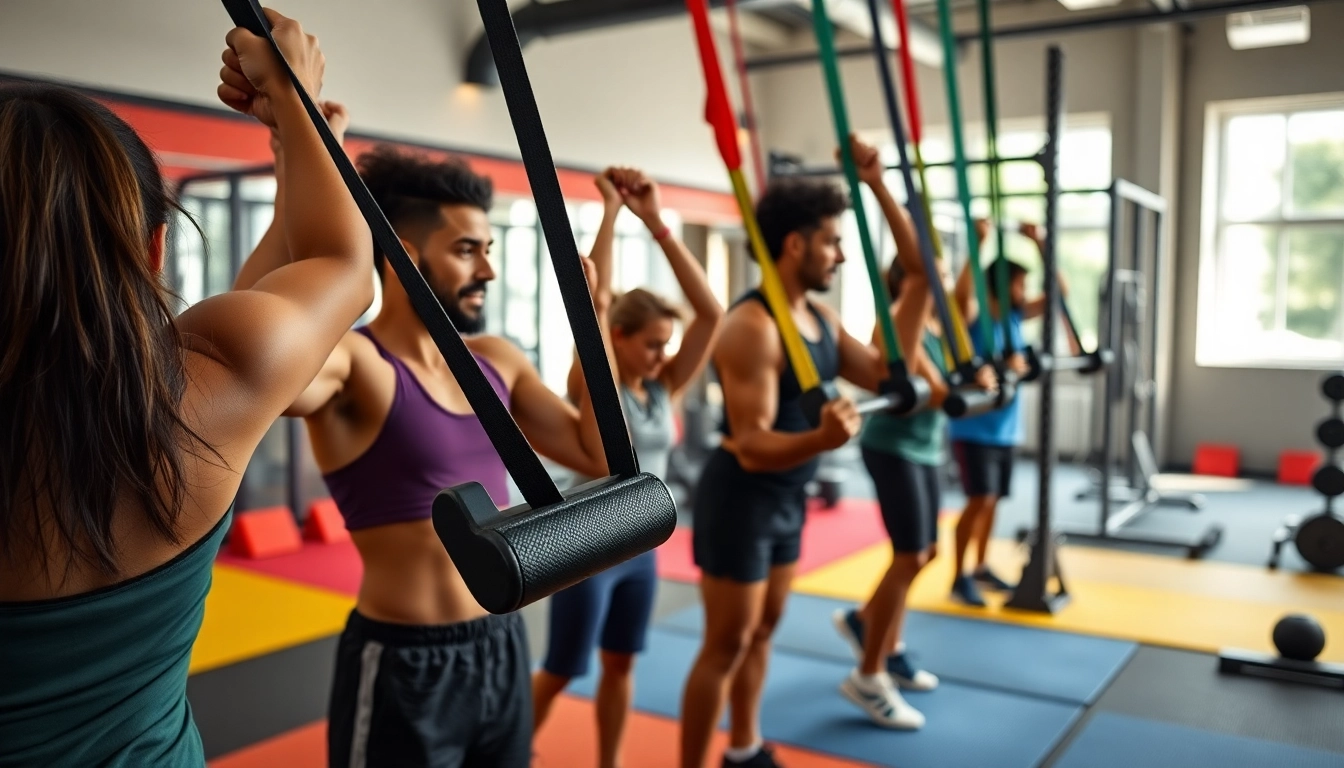
Understanding Assisted Pull-Up Bands
Assisted pull-up bands are essential tools designed to help individuals perform pull-ups with greater ease and efficiency. These bands provide the necessary support to progress toward unassisted pull-ups, making them ideal for beginners and seasoned athletes alike. With a variety of resistance levels, they can accommodate various fitness levels and assist users in strengthening their upper body effectively.
When exploring options, assisted pull-up bands are widely available, catering to different training goals and preferences, ensuring that everyone can find the right fit for their workout routine.
What are Assisted Pull-Up Bands?
Assisted pull-up bands are elastic resistance bands designed to provide support during pull-up exercises. They are typically looped and come in various thicknesses, which correspond to different levels of resistance. This resistance counteracts body weight, helping users to lift themselves up to the bar.
In essence, when you attach the band to a pull-up bar and place either your feet or knees in the band, it reduces the weight you have to lift. This makes pull-ups more accessible and allows for progressive overload, where individuals can gradually decrease their reliance on the band as they gain strength.
How They Enhance Strength Training
Assisted pull-up bands are not just tools for beginners; they are invaluable for advanced athletes as well. They allow users to perform pull-ups with reduced strain, enabling them to focus on form and technique, which is crucial for building muscle properly. Moreover, these bands can also be integrated into various exercises beyond pull-ups, such as dips and rows, enhancing overall strength training routines.
By employing assisted pull-up bands, individuals can target specific muscle groups effectively. This includes the latissimus dorsi, biceps, and shoulders, providing a comprehensive upper-body workout.
Common Types of Assisted Pull-Up Bands
There are several types of assisted pull-up bands, each serving different needs:
- Looped Bands: These are the most common and versatile bands, typically used for assisted pull-ups and other bodyweight exercises.
- Flat Bands: These offer varying resistance levels but are generally less intense than looped bands. They can be used for strength training and rehabilitation.
- Mini Bands: While these are primarily used for lower-body exercises, they can also assist in pull-up movements for those who prefer a different grip or positioning.
Choosing the Right Assisted Pull-Up Bands
Factors to Consider When Buying
When selecting assisted pull-up bands, consider several factors to ensure you choose the right one for your fitness journey:
- Resistance Level: Choose bands that offer a suitable resistance level based on your current strength. Beginners may need bands with more resistance, while advanced users can opt for lighter bands.
- Quality Material: Look for bands made from durable materials that can withstand tension and regular use without snapping.
- Width and Length: The width and length of the band affect its performance and ease of use. Ensure the band is long enough to attach securely to the pull-up bar.
Weight Ratings and Band Resistance
The weight ratings of assisted pull-up bands vary significantly among brands, with many offering bands that accommodate weights from 10lbs up to 300lbs. Knowing your body weight and the amount of assistance you require is vital in selecting the right band. For example, heavier bands provide more support but may limit the progression towards unassisted pull-ups.
Most bands come color-coded; for instance, yellow might signify light resistance, while black or red could indicate heavier resistance. This color-coding simplifies the selection process, but always check the specifications provided by manufacturers for accuracy.
Comparing Popular Brands and Products
When evaluating the market, several brands stand out for manufacturing high-quality assisted pull-up bands:
- Fitness Insanity: Known for their durable nylon bands, they offer a variety of resistance levels suitable for all users.
- WOD Nation: This brand provides bands that are great for gymnastic movements, making them a favorite among cross-training athletes.
- Rogue Fitness: Renowned for their high-quality gym equipment, their bands are built to last and provide reliable support.
Techniques for Using Assisted Pull-Up Bands Effectively
Basic Pull-Up Band Setup
To set up your assisted pull-up band, follow these steps:
- Choose an appropriate band based on your weight and desired support.
- Secure the band over the pull-up bar, ensuring it is firmly in place.
- Place your knees or feet into the loop of the band.
- Grip the pull-up bar with an overhand grip, and begin your pull-up.
It's essential to maintain proper form throughout the exercise. This means engaging your core and keeping your body straight to maximize benefits.
Progression in Pull-Up Techniques
As you gain strength, it’s crucial to progress your training. Here are some methods to reduce reliance on the bands:
- Decrease Band Resistance: Move to thinner bands as your strength increases.
- Perform Partial Pull-Ups: Start by executing pull-ups through the full range of motion using bands, then gradually perform them without bands.
- Incorporate Negatives: Jump or step to the top position, then slowly lower yourself down to build strength.
Common Mistakes and How to Avoid Them
Many users make mistakes that can hinder their progress:
- Poor Form: Avoid swinging or using momentum. Focus on form and control.
- Over-reliance on Bands: Challenge yourself to reduce support as soon as possible.
- Inconsistent Training: Regular practice is vital for progress; avoid long breaks between workouts.
Incorporating Assisted Pull-Up Bands into Your Workout Regimen
Variety of Exercises Using Bands
Assisted pull-up bands offer versatility beyond traditional pull-ups. Here are several exercises:
- Dips: Use the band to support your weight while performing dips for tricep strength.
- Rows: Secure the band to a stable object and perform rows for back muscle development.
- Leg Raises: Place your feet in the band while doing hanging leg raises to engage core muscles.
Creating a Balanced Workout Routine
When incorporating assisted pull-up bands, it's essential to create a balanced workout routine that includes:
- Upper Body Exercises: Include push-ups, bench presses, and shoulder presses to enhance strength.
- Core Work: Integrate exercises like planks and Russian twists for overall stability.
- Lower Body Strength: Don't neglect squats and lunges to ensure a complete workout.
Tracking Progress and Setting Goals
To see consistent improvement, track your workouts. Consider keeping a journal or using apps to log:
- The number of pull-ups performed.
- The resistance level of bands used.
- Progress in terms of strength gained over weeks or months.
Setting achievable goals, such as reducing band assistance by a certain percentage within a specific time frame, can keep motivation high.
The Future of Resistance Training with Assisted Pull-Up Bands
Trends in Fitness Technology for 2026
As we look towards future trends in fitness, it’s evident that technology will continue to play a pivotal role. The integration of smart bands that can measure tension and progress is on the horizon. With advancements in tracking technology, users will be able to analyze their workouts in real-time, offering insights to maximize their training efficiency and effectiveness.
Expert Insights on Resistance Bands
Experts emphasize the importance of resistance bands in contemporary strength training. Their ability to provide variable resistance that can be adjusted on-the-fly makes them invaluable tools for rehabilitation, strength training, and flexibility exercises.
Community Feedback and Innovations in Use
The fitness community consistently shares innovative ways to use assisted pull-up bands. From online forums to social media, enthusiasts are leveraging these tools in unique ways, such as combining them with other equipment, or using them in circuit training setups.
In conclusion, as assisted pull-up bands continue to evolve, they remain a cornerstone of effective strength training. By choosing the right bands, mastering techniques, and staying committed to workouts, anyone can achieve their fitness goals with these powerful training aids.