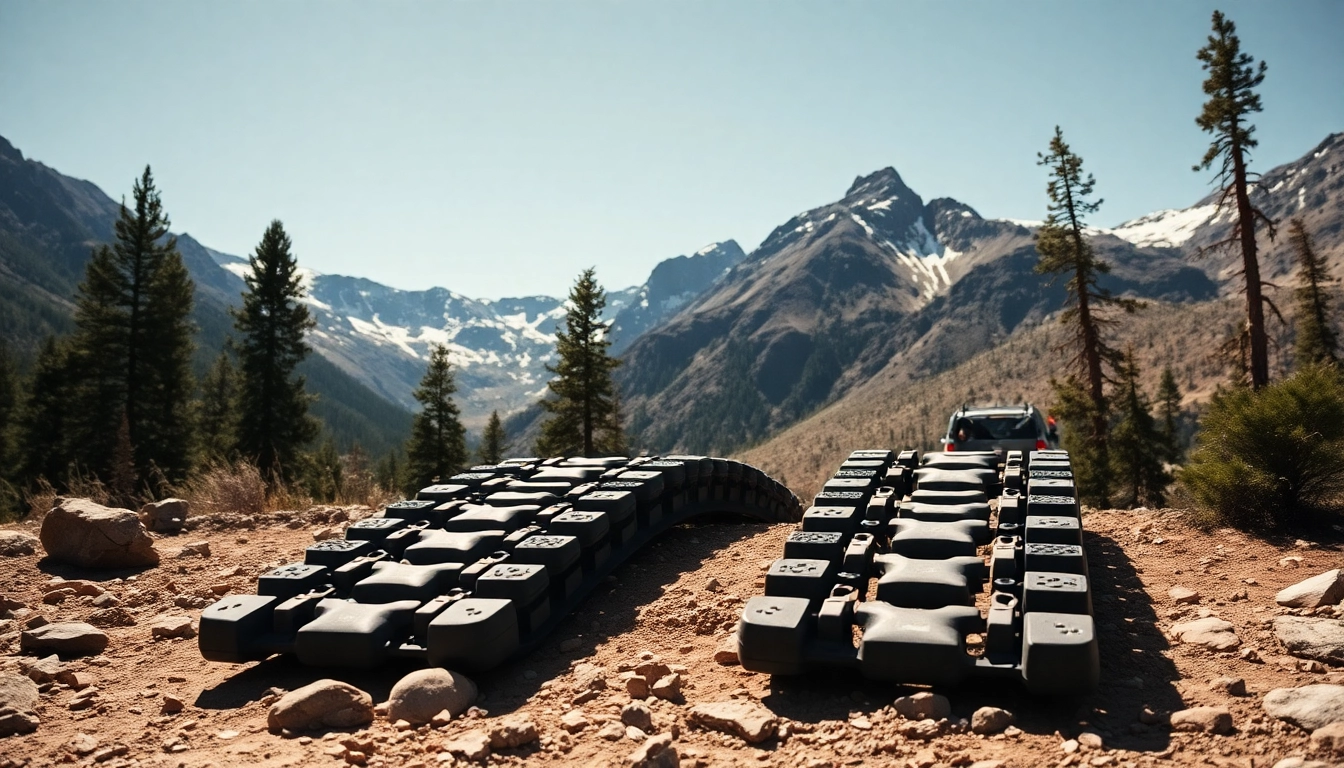
Understanding Recovery Tracks
What are Recovery Tracks?
Recovery Tracks are specially designed traction aids that help vehicles regain grip while traversing challenging off-road conditions. Typically made of durable materials, these tracks are placed under the wheels of a stuck vehicle to provide necessary traction for movement. Whether on mud, sand, or snow, Recovery Tracks are an essential tool for off-road enthusiasts aiming to extricate their vehicles from challenging situations. They serve as a practical solution for drivers who venture into rugged terrains, ensuring they can overcome obstacles without the need for external help.
Types of Recovery Tracks Explained
There are several different types of Recovery Tracks available, each tailored for specific off-road conditions. The most common types include:
- Plastic Tracks: Lightweight and often less expensive, plastic tracks are great for sand and light mud. They can flex under pressure and are relatively easy to clean.
- Aluminum Tracks: Known for their durability and strength, aluminum tracks work well in icy conditions and heavy mud. Their rigidity helps maintain shape under stress, but they can be heavier and more expensive.
- Composite Tracks: These tracks combine the benefits of both plastic and aluminum, offering a balance between durability and weight. They often feature enhanced grip designs for better performance.
Why Recovery Tracks Matter
Recovery Tracks play a crucial role in off-road recovery scenarios. They can mean the difference between a quick self-recovery and a costly wait for help. By employing a set of Recovery Tracks, drivers can safely navigate through slippery or loose surfaces, reducing the likelihood of vehicle damage. Furthermore, these tools enhance self-reliance and build confidence for adventurers as they tackle challenging terrains.
Choosing the Right Recovery Tracks
Factors to Consider
When selecting the right Recovery Tracks, several factors should be considered to ensure optimal performance:
- Vehicle Type: The size and weight of your vehicle critically influence the type of tracks suitable for recovery. Ensure that your tracks can support the weight of your vehicle.
- Terrain Type: Different terrains require different types of tracks. Consider where you’ll predominantly be using them – sand, mud, snow, or a mix of conditions.
- Budget: Recovery Tracks range in price based on materials and features. Set a budget while considering quality and durability.
Material Comparisons for Recovery Tracks
The material used in Recovery Tracks significantly affects their performance and longevity. Here’s a brief comparison:
- Plastic: Lightweight and portable but may not sustain heavy-duty use in tougher terrains. Ideal for occasional use.
- Aluminum: Excellent for heavy vehicles or challenging conditions. Built to last but can be cumbersome to carry.
- Composite: A hybrid option that tends to offer increased functionality, combining the benefits of different materials for enhanced versatility.
Which Size Fits Your Vehicle?
Choosing the right size of Recovery Tracks is essential. Tracks come in various lengths and widths, and selecting the correct size can dramatically impact their effectiveness. A good rule of thumb is to choose a pair that extends at least a few inches beyond the width of your vehicle's tires. This ensures ample surface area for traction and simplifies the process of placing them under the wheels.
Using Recovery Tracks Effectively
Preparation Before Use
Before attempting to use Recovery Tracks, ensure you conduct the following preparations:
- Assess the Situation: Evaluate if recovery tracks are suitable for the situation. If the vehicle is buried deep or in a precarious position, alternative recovery methods may be necessary.
- Clear the Area: Remove any debris or obstacles around the wheels to facilitate effective placement of the tracks.
- Engage the Vehicle: Ensure the vehicle is in neutral and the brakes are applied to prevent rolling while using the tracks.
Step-by-Step Usage Guide
Using Recovery Tracks requires a strategic approach. Here’s a simple guide:
- Position the Recovery Tracks in front of or behind the stuck wheels, depending on the vehicle's direction of travel.
- Make sure the textured side is facing down to maximize grip.
- Slowly attempt to drive the vehicle onto the tracks, maintaining minimal throttle to prevent wheel spin.
- Once traction is achieved, carefully drive off the tracks and store them away once you are back on solid ground.
Common Mistakes to Avoid
Many users make common mistakes when using Recovery Tracks. Here are a few to avoid:
- Incorrect Placement: Failing to align the tracks properly with the tires can lead to ineffective recovery.
- Insufficient Preparation: Skipping the preparatory steps can complicate the recovery process.
- Over-reliance: Not considering other recovery methods when Recovery Tracks fail to work can lead to risky situations.
Maintaining Your Recovery Tracks
Cleaning and Storage Tips
Proper maintenance extends the life of your Recovery Tracks. Here are tips for cleaning and storage:
- Clean After Use: Remove mud, sand, or dirt immediately after each use to prevent degradation of materials.
- Store in a Dry Place: Ensure tracks are stored in a cool, dry area away from direct sunlight to avoid warping and deterioration.
- Avoid Heavy Weight: Do not place heavy objects on top of stored tracks to prevent bending or damage.
Inspection for Wear and Tear
Regular inspections of your Recovery Tracks are crucial. Look for:
- Cracks or chips in the material.
- Distortions or warping in shape, especially after use in extreme conditions.
- Loss of texture or grip from the surface, which can reduce effectiveness.
When to Replace Your Recovery Tracks
Knowing when to replace your Recovery Tracks is vital for safety. Consider replacing them when:
- Visible damage compromises the structural integrity.
- Repeated failures in providing traction occur.
- They become unreliable, indicating they can no longer perform their intended function effectively.
FAQs About Recovery Tracks
How do Recovery Tracks work?
Recovery Tracks provide traction for stuck vehicles by creating a gripping surface for tires to gain traction. They are placed under the tires, allowing vehicles to drive out of difficult terrains.
Can Recovery Tracks be used on all vehicles?
While designed for a variety of vehicles, the effectiveness of Recovery Tracks depends on the vehicle's weight, tire width, and the terrain. Always check the specifications before use.
What materials are best for Recovery Tracks?
The best materials depend on usage. Plastic tracks are great for lighter conditions, while aluminum offers durability for tougher terrains. Composite options provide the best of both worlds.
How do I store Recovery Tracks properly?
Store Recovery Tracks in a dry, shaded area, ensuring they are clean and free from heavy items that could cause deformities. This will prolong their lifespan.
Are Recovery Tracks worth the investment?
Yes, Recovery Tracks are a valuable investment for off-road enthusiasts. They can save time and potential costly recovery fees while improving safety in off-road scenarios.