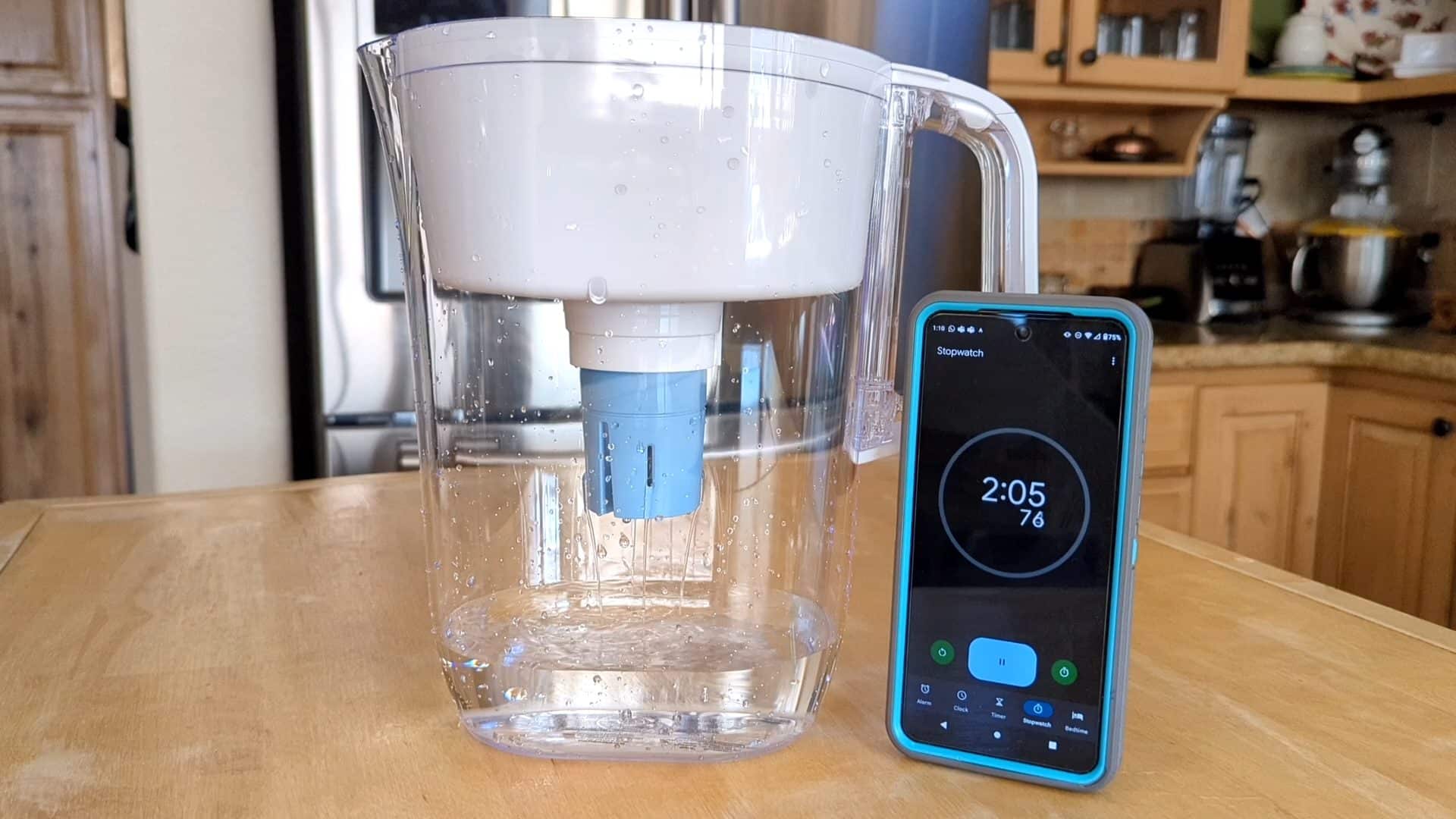
When it comes to providing safe and clean drinking water at home, choosing the right water filtration system is essential. Many homeowners face the age-old debate: Pur or Brita Water Pitcher. While both brands have earned their place in kitchens worldwide, they cater to slightly different needs, performance standards, and budgets. Over the past year, I personally tested both, and the differences became very clear, especially in older apartments where plumbing can affect water quality. In this article, we will explore all aspects of these two popular filtration systems, helping you make an informed choice.
Understanding Water Filtration Basics
Before diving into the Pur or Brita Water Pitcher debate, it’s important to understand what water filtration actually does. Water filtration pitchers are designed to remove impurities that affect taste, odor, and potentially your health. The primary contaminants include chlorine, heavy metals like lead, sediment, and sometimes chemicals that find their way into tap water.
Brita and Pur use different technologies to achieve this goal. While both improve taste and clarity, the effectiveness against specific contaminants varies. Knowing these differences will help you determine which pitcher suits your lifestyle and home water quality.
Brita Water Pitcher Overview
Brita has long been recognized for providing accessible and user-friendly filtration systems. Its pitchers are widely available, often more affordable than competitors, and offer a straightforward approach to improving water quality.
The Brita filtration system primarily uses activated carbon and an ion-exchange resin. This combination is effective at reducing chlorine taste and odor, which is often the most noticeable problem in tap water. Brita filters also reduce some metals, such as copper and mercury, but their primary focus is taste improvement.
One of the most attractive features of Brita pitchers is ease of use. The cartridges are simple to install, and the company provides clear guidelines for when to replace them. Most filters last around 40 gallons or approximately two months of regular household use. Brita also offers smart pitchers with filter replacement indicators, which add convenience for busy households.
In terms of performance, Brita is ideal for households where taste and odor are the main concerns. It is also budget-friendly, making it accessible for those who want basic water filtration without committing to more advanced systems.
Pur Water Pitcher Overview
Pur has positioned itself as a premium alternative to Brita, with a focus on removing a broader range of contaminants. The Pur or Brita Water Pitcher debate often comes down to performance versus cost, and Pur clearly leans toward performance.
Pur filters utilize activated carbon, similar to Brita, but they also include more sophisticated filtration technologies capable of capturing lead, mercury, and other heavy metals. This is particularly important in older homes or areas where municipal water may contain higher levels of contaminants. Pur filters also excel at reducing chlorine, making water taste fresher and cleaner.
The design of Pur pitchers often emphasizes larger capacity and faster filtration rates. Many Pur models can filter water up to 99% of lead and other harmful substances, providing peace of mind for families concerned about the health impacts of tap water.
While slightly more expensive than Brita, Pur filters offer longer lifespan options and more robust performance. This makes them particularly appealing to households prioritizing safety, not just taste.
Filtration Technology Comparison
When considering the Pur or Brita Water Pitcher, understanding their filtration technology differences is crucial. Both systems rely on activated carbon, which absorbs chlorine and other chemicals, but the specifics vary.
Brita’s carbon block filter is designed for taste improvement and basic metal reduction. It works well in removing chlorine, some copper, and mercury, but it is less effective against lead and other heavy metals. Brita is sufficient for areas with relatively clean municipal water, especially where taste is the primary concern.
Pur, on the other hand, integrates a multi-stage filter system. This includes activated carbon and an ion-exchange resin capable of capturing microscopic contaminants. Pur’s advanced design allows it to reduce lead by up to 99%, along with other metals and chemicals. In addition, Pur often provides more comprehensive certifications from independent testing laboratories, reinforcing its performance credibility.
For households concerned about contaminants beyond taste, such as heavy metals or pharmaceuticals, Pur generally offers superior protection.
Taste and Odor Performance
One of the first things most people notice when testing water pitchers is taste and odor. While both Pur or Brita Water Pitcher improve the flavor of tap water, differences are noticeable.
Brita effectively reduces chlorine, making water more palatable for drinking and cooking. The water tastes cleaner, but it may not completely remove metallic or chemical flavors in older plumbing systems. In my personal experience, Brita worked well for basic filtering, especially in newer apartments with relatively clean water sources.
Pur, however, provided a sharper improvement in taste. By reducing both chlorine and heavy metals, Pur delivers a smoother, fresher flavor. In older apartments or areas with high lead content, this difference becomes particularly significant. For families with children or individuals sensitive to taste, Pur’s filtration is often the preferred choice.
Build Quality and Design
The Pur or Brita Water Pitcher comparison also extends to build quality and design. Brita pitchers are known for their simplicity and ease of handling. The materials are durable enough for everyday use, and the smaller footprint fits well in most refrigerator doors.
Pur pitchers tend to be slightly larger but are designed for higher filtration efficiency. Many models feature a faster pour rate and a more ergonomic design. Some Pur pitchers also include electronic filter life indicators, which can be helpful for maintaining optimal performance.
While both brands prioritize user-friendly designs, the choice often depends on personal preference. If space-saving and simplicity are priorities, Brita might be more appealing. For households seeking high performance and a modern design, Pur is often the better option.
Filter Lifespan and Maintenance
Maintenance is another critical factor when deciding between Pur or Brita Water Pitcher. Both systems require regular filter replacement to maintain water quality, but there are differences in lifespan and cost.
Brita filters typically last around 40 gallons, or about two months with regular household use. Replacement filters are widely available and reasonably priced, making ongoing maintenance manageable for most users.
Pur filters often last slightly longer, with some models filtering up to 100 gallons before needing replacement. The initial cost is higher, but the extended lifespan and enhanced filtration performance can justify the investment. In addition, Pur’s electronic filter indicator simplifies maintenance by alerting users when it’s time to replace the cartridge.
Health and Safety Considerations
For those prioritizing health, the Pur or Brita Water Pitcher debate often leans toward Pur. While Brita effectively reduces chlorine and improves taste, it is less effective against lead and other heavy metals. Pur’s enhanced filtration technology is certified to remove a broader range of contaminants, including lead, mercury, and certain pharmaceuticals, making it a safer choice for families and individuals in areas with compromised water quality.
It’s worth noting that both systems rely on municipal water being within regulatory safety limits. No pitcher can replace the need for municipal water safety standards, but Pur offers an extra layer of protection for peace of mind.
Cost Comparison
Cost is often a deciding factor when choosing between Pur or Brita Water Pitcher. Brita pitchers are generally more affordable, both upfront and for replacement filters. They provide a cost-effective solution for households seeking basic water improvement without significant investment.
Pur, in contrast, carries a higher price point, reflecting its enhanced filtration performance. While the initial cost may be higher, the longer lifespan of filters and superior contaminant removal can offset expenses over time. For households prioritizing safety and comprehensive filtration, Pur is often the better value despite the higher initial investment.
User Experience
In practical use, both Brita and Pur provide satisfactory performance, but nuances exist. Brita’s ease of use and simplicity make it a reliable choice for busy households. The water tastes clean, and the pitcher is convenient for daily use.
Pur, while slightly larger and more expensive, delivers a superior drinking experience in terms of taste, odor, and contaminant removal. Users often report noticeable improvements, especially in older homes with older plumbing systems. The electronic filter indicator is also a convenience that ensures optimal performance without guesswork.
Environmental Considerations
Both Pur or Brita Water Pitcher contribute to environmental sustainability by reducing reliance on single-use bottled water. Replacement filters, however, do create some waste. Brita has a recycling program for used filters, and Pur also encourages responsible disposal of cartridges. Users concerned about environmental impact should follow proper recycling practices to maximize sustainability benefits.
Choosing Between Pur and Brita
Deciding between Pur or Brita Water Pitcher ultimately depends on your priorities. If your main concern is taste and affordability, Brita is an excellent choice. It provides clean, chlorine-free water and is accessible for most households.
If safety, heavy metal removal, and overall filtration performance are top priorities, Pur offers superior protection and peace of mind. Pur is particularly well-suited for families, older homes, or regions with water quality concerns.
For many users, the decision comes down to balancing cost, convenience, and filtration performance. Understanding your water quality and household needs will guide the right choice.
Conclusion
Both Pur or Brita Water Pitcher systems provide practical solutions for improving tap water quality. Brita is ideal for those prioritizing affordability and simplicity, effectively removing chlorine and improving taste. Pur, on the other hand, excels in removing heavy metals and providing a cleaner, safer drinking experience, especially in older homes or areas with compromised water quality.
By assessing your household water needs, budget, and health priorities, you can make an informed choice that ensures clean, fresh, and safe drinking water every day. Investing in a quality filtration system, whether Brita or Pur, is a step toward healthier living and environmental responsibility. For full details, please check our homepage.
Frequently Asked Questions (FAQs)
What is the main difference between Brita and Pur pitchers?
The primary difference lies in filtration performance. Brita is excellent for reducing chlorine and improving taste, while Pur offers more advanced filtration capable of removing lead, mercury, and other heavy metals.
Which pitcher is better for older homes with plumbing issues?
Pur is generally better suited for older homes because it removes a wider range of contaminants, including heavy metals that may leach from aging pipes.
How often should I replace the filters in Brita and Pur pitchers?
Brita filters typically last around 40 gallons or two months, whereas Pur filters can last up to 100 gallons depending on the model. Always follow manufacturer recommendations for optimal performance.
Are Pur or Brita pitchers environmentally friendly?
Both reduce reliance on bottled water, contributing to environmental sustainability. Both brands offer programs for recycling used filters, but proper disposal and recycling are essential.
Is there a noticeable taste difference between Pur and Brita water?
Yes. While both improve taste by reducing chlorine, Pur water generally tastes cleaner and smoother due to its enhanced removal of heavy metals and other contaminants.