Understanding Plastic Injection Molding Machines
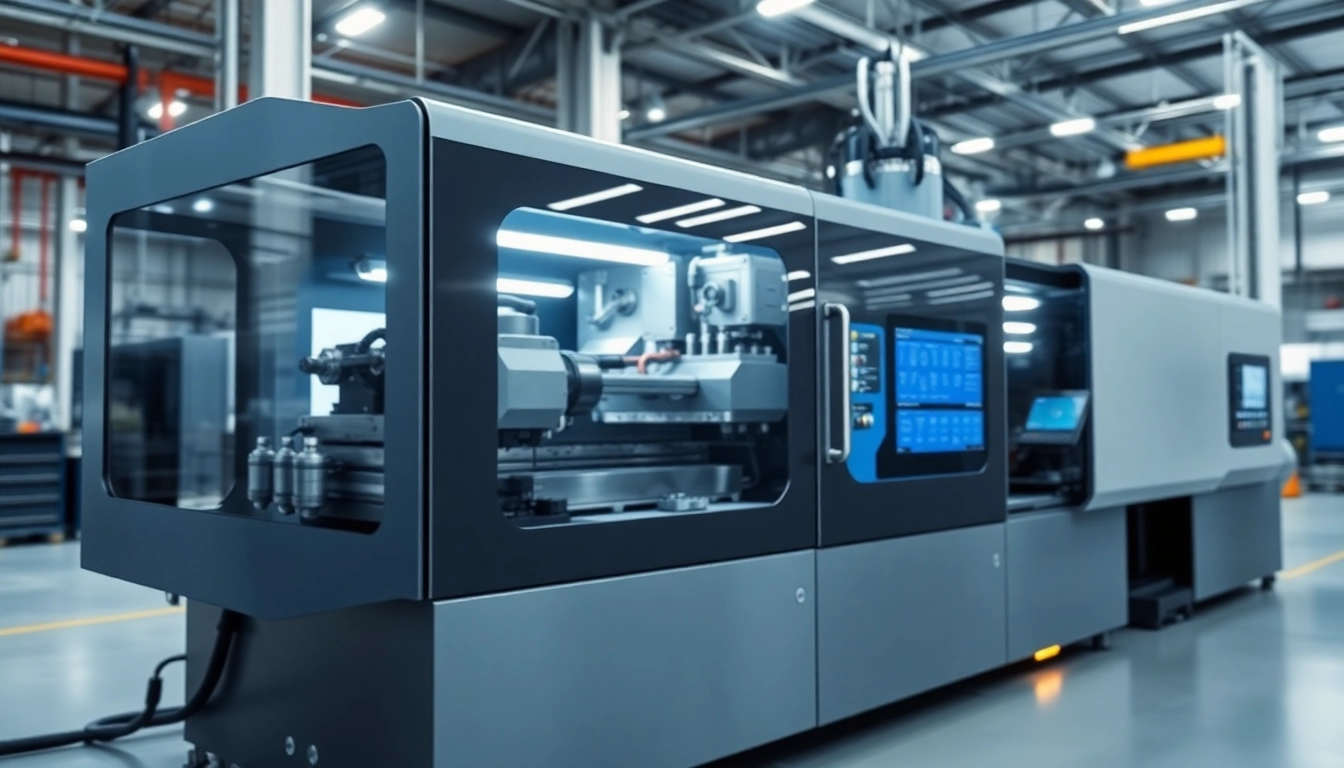
Plastic injection molding machines are pivotal in the modern manufacturing landscape, enabling the mass production of intricately designed plastic components. This manufacturing process utilizes high precision and efficiency, making it a favorite among various industries, including automotive, consumer goods, and healthcare. When exploring options, plastic injection molding machine technologies have evolved significantly, offering advanced features that cater to diverse production needs. This article delves into the functional intricacies of these machines, highlighting their components, benefits, and technological innovations.
What is a Plastic Injection Molding Machine?
A plastic injection molding machine transforms raw plastic pellets into a myriad of products using heat and pressure. This sophisticated machinery melts plastic granules and injects the molten material into a mold, where it cools and solidifies into the desired shape. The method is esteemed for its ability to produce high-quality parts with tight tolerances, making it essential for sectors that require precision, such as electronics and medical devices.
Key Components and Their Functions
The primary components of a plastic injection molding machine include:
- Injection Unit: Melts and injects plastic into the mold.
- Clamping Unit: Holds the mold in place during the injection process.
- Hydraulic System: Powers the clamping and injection units.
- Controller: Manages the operation of the machine, including temperature, injection speed, and pressure.
- Mold: The custom-designed cavity that shapes the final product.
Understanding the functions of these components is crucial for optimizing production processes and troubleshooting potential issues.
Types of Injection Molding Machines Explained
Injection molding machines can be categorized based on their operating mechanisms:
- Hydraulic Machines: Utilize hydraulic systems for operation. They offer high clamping forces and are suitable for large-scale production.
- Electric Machines: Use electric motors for all movements, ensuring energy efficiency and precision. They are ideal for small to medium-sized parts.
- Hybrid Machines: Combine the benefits of hydraulic and electric systems, providing flexibility in production with reduced energy consumption.
Benefits of Electric Injection Molding Machines
Electric injection molding machines have gained popularity due to their numerous advantages over traditional hydraulic systems. Their efficiency, precision, and environmental benefits position them as a go-to solution for manufacturers.
Energy Efficiency: Cost-Effective Production
Electric injection molding machines consume less power compared to hydraulic machines. By using servo drives, these machines can operate only when needed, which drastically reduces energy usage and operational costs. The enhanced energy efficiency does not compromise performance, enabling manufacturers to produce high-quality products while keeping expenses in check.
Precision and Consistency in Manufacturing
One of the standout features of electric machines is their ability to maintain precise control over the injection process. This leads to consistent product quality, reduced waste, and improved cycle times. The technology allows for fine-tuning of parameters such as temperature and pressure, ensuring that each molded part meets stringent quality standards.
Environmental Impact: Lower Carbon Footprint
With increasing focus on sustainability, electric injection molding machines present a greener alternative. Their reduced energy consumption translates into lower carbon emissions, aligning with global efforts to minimize industrial environmental impact. Furthermore, many electric models incorporate recyclable materials and sustainable practices in their designs.
Technological Innovations in Injection Molding
The plastic injection molding industry is continuously evolving, driven by technological advancements that enhance production efficiency and product quality.
Integration of Automation and Robotics
Automation plays a vital role in modern injection molding processes. The use of robotic arms to handle components and automate loading and unloading tasks minimizes human intervention, reduces cycle time, and enhances safety. Automated systems also improve accuracy in part placement and quality inspection.
Real-Time Monitoring and Control Systems
Advanced monitoring systems provide real-time data analytics that help manufacturers optimize their operations. These systems track variables like temperature, pressure, and cycle times, allowing for immediate adjustments. Predictive maintenance systems notify operators of potential breakdowns, thus reducing downtime and maintenance costs.
Future Trends: AI and Smart Manufacturing
Artificial Intelligence (AI) is beginning to penetrate the injection molding industry, offering predictive analytics that enhance production efficiency. Smart factories utilizing AI can automatically adjust processes based on real-time data, optimizing production schedules and conserving resources.
Common Challenges in Injection Molding
While injection molding is a highly efficient process, it is not without challenges. Manufacturers must be vigilant about certain issues that can affect production quality and efficiency.
Mold Designing Difficulties and Solutions
Designing molds can be complex, often requiring intricate geometries to produce specific features. Challenges like undercuts and draft angles can complicate mold creation. Solutions include utilizing advanced CAD software for design and prototyping, ensuring that molds are well-engineered to facilitate easy ejection while maintaining product integrity.
Material Selection and Compatibility Issues
The choice of materials significantly influences the quality of the finished product. Different plastics have varying properties, such as melting points and viscosity, which affect the molding process. Understanding material behavior is crucial for selecting the right type to meet product specifications and ensuring compatibility with the injection molding machine.
Maintenance and Replacement of Components
Regular maintenance of injection molding machines is essential for optimal performance. Wear and tear on components can lead to inefficiencies and defects. Establishing a preventive maintenance schedule helps keep machines running smoothly, minimizing unexpected breakdowns and prolonging the lifespan of equipment.
Choosing the Right Plastic Injection Molding Machine
Selecting the most suitable plastic injection molding machine is a critical decision for manufacturers that requires thorough assessment and strategic planning.
Assessing Production Needs and Volume
Manufacturers must first analyze their production requirements, including the volume of parts needed and the complexity of designs. High-volume operations may benefit from hydraulic machines, while niche markets with varying production needs may find electric machines more advantageous.
Evaluating Suppliers and Their Offerings
When choosing a supplier, it is crucial to evaluate their range of products, technical support, and service capabilities. A supplier that offers comprehensive solutions, including training and maintenance, can significantly enhance operational efficiency.
Cost Analysis: Budgeting for Investment
Investing in injection molding machinery involves upfront costs that can be substantial. However, manufacturers should consider the long-term savings attributed to efficiency, energy consumption, and reduced labor costs. A thorough cost-benefit analysis will help in justifying the investment and determining the best financial options.