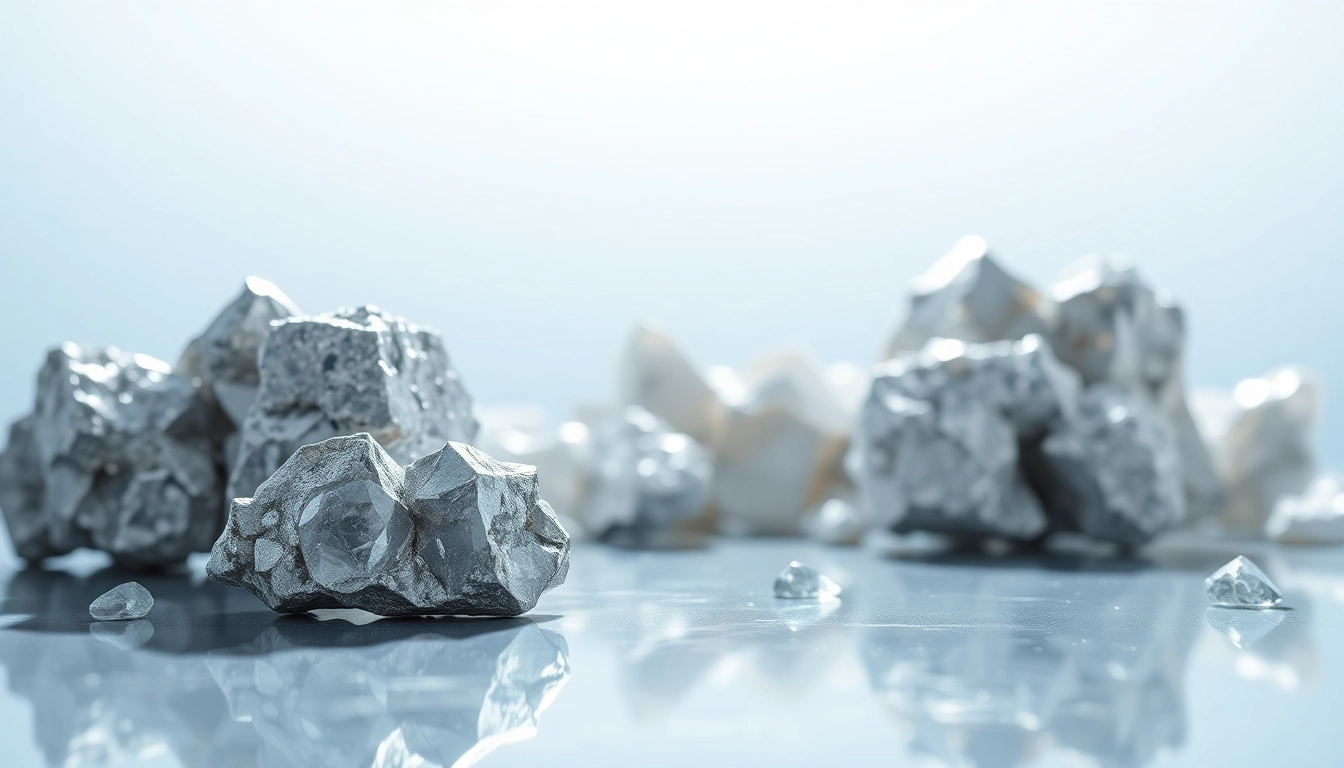
Introduction to Minerals Rhodium
Rhodium, a fascinating and rare metal, holds a prominent place within the spectrum of precious minerals. As a member of the platinum group metals (PGMs), rhodium exhibits remarkable properties that have garnered attention in various industries. With a lustrous, hard silvery-white appearance, minerals rhodium stands out not only because of its aesthetic appeal but also for its indispensable role in catalysis and other applications.
What is Rhodium?
Rhodium is a chemical element represented by the symbol Rh and atomic number 45. It is characterized by its exceptional resistance to corrosion and high melting point, ca. 1964 °C (3567 °F). Discovered in 1803 by the English chemist William Hyde Wollaston, rhodium's name derives from the Greek word 'rhodon,' meaning rose, due to the rose-red color of its salts. As an element, it is primarily mined alongside platinum and other precious metals, marking it as one of the least abundant metals in the Earth's crust.
Natural Occurrence of Minerals Rhodium
Rhodium is incredibly scarce, found in the Earth's crust at a concentration of approximately 0.001 parts per million (ppm). It typically occurs in nature in its native form as well as in combination with other elements, primarily within minerals such as cuprorhodsite, cherepanovite, and polkanovite. These minerals are frequently mined through processes similar to those used for extracting platinum and palladium, given their proximity and co-occurrence within ore deposits.
Unique Properties of Rhodium
The unique properties of rhodium make it a valuable asset in various sectors. Some of its standout characteristics include:
- Corrosion Resistance: Rhodium is highly resistant to corrosion and tarnishing, making it ideal for use in harsh environments.
- Exceptional Reflectivity: Its reflective properties enable rhodium to be used in mirrors and other decorative applications.
- High Melting Point: The high melting point of rhodium allows it to maintain structural integrity under extreme heat.
- Catalytic Properties: As a highly efficient catalyst, rhodium is pivotal in various chemical reactions, particularly in the automotive industry.
Minerals Rhodium in Industry
Main Industrial Applications of Rhodium
Rhodium's unique properties lend themselves to several critical industrial applications. Its primary use is in catalysis, particularly in catalytic converters used in combustion engine vehicles to minimize harmful emissions. Additionally, rhodium finds application in:
- Electronics: Rhodium plating in electronic components enhances conductivity and corrosion resistance.
- Jewelry: Often utilized in jewelry-making, rhodium plating provides a durable, high-shine finish on both gold and silver pieces.
- Aerospace: Rhodium’s unique properties enable its use in various components of jet engines and other high-temperature environments.
Rhodium in Catalytic Converters
The most notable industrial application of rhodium is within catalytic converters. These devices are vital for reducing harmful emissions from gasoline and diesel engines. Rhodium facilitates the conversion of nitrogen oxides (NOx) into nitrogen (N2) and oxygen (O2), significantly enhancing the environmental performance of vehicles. The growing emphasis on clean energy and stringent environmental regulations has steadily increased the demand for rhodium in the automotive sector.
Role of Rhodium in Jewelry
Rhodium plays a major role in the luxury jewelry market. Its use as a plating material offers several benefits, including:
- Enhanced Durability: Jewelry coated in rhodium is more resistant to scratching and tarnishing, prolonging its lifespan.
- Brilliant Finish: The reflective quality of rhodium adds brightness to gold and silver jewelry, giving it a polished appearance.
As consumer preferences shift towards high-quality, durable jewelry, the demand for rhodium-plated items continues to rise. Additionally, the use of rhodium in jewelry is expected to expand as designers seek innovative ways to incorporate this precious metal into their collections.
Mining and Extraction of Minerals Rhodium
Global Sources of Rhodium
Rhodium is mined primarily in South Africa, which accounts for a significant percentage of global production. Other notable sources include Russia, Canada, and the United States. The extraction process typically involves mining platinum and palladium ores, which are then refined to isolate rhodium. Given its rarity, the extraction and processing of rhodium are costly and often labor-intensive.
Challenges in Rhodium Extraction
The mining and extraction of rhodium pose several challenges:
- Scarceness: The limited occurrence of rhodium makes it a challenging mineral to extract efficiently.
- Environmental Concerns: Mining activities can lead to soil degradation, water pollution, and biodiversity loss, necessitating sustainable practices.
- Economic Factors: Fluctuating prices and the complexity of extraction processes can affect overall profitability.
Environmental Impact of Rhodium Mining
The environmental impact of rhodium mining has become a significant concern. Mining companies are under increasing pressure to implement sustainable practices that minimize their ecological footprint. Measures such as adopting green extraction techniques and conducting thorough environmental assessments are essential in mitigating adverse effects. Reclamation efforts post-mining, involving the restoration of disturbed habitats, are also crucial in promoting environmental recovery.
Economic Aspects of Minerals Rhodium
Market Trends for Rhodium Prices
The market for rhodium has seen considerable fluctuations over the years, influenced by supply and demand dynamics, geopolitical developments, and economic conditions. Historically, rhodium prices have experienced dramatic spikes, reflecting its scarcity and demand in automotive catalytic converters. As the automotive industry transitions towards electric vehicles, the market dynamics are evolving, leading to speculation about future pricing trends.
Investment Potential in Rhodium
Due to its rarity and industrial importance, rhodium presents a unique investment opportunity. Investors are increasingly recognizing the potential for high returns, particularly as global regulations on emissions tighten. However, potential investors must consider market volatility and the need for portfolio diversification when venturing into rhodium investments.
Managing Market Fluctuations
To effectively manage the volatility associated with rhodium prices, stakeholders should adopt strategies such as hedging and diversifying portfolios. Understanding market trends and keeping abreast of global automotive developments plays a vital role in forecasting potential price movements. Moreover, long-term contracts with suppliers can mitigate risks associated with sudden fluctuations in the market.
FAQs about Minerals Rhodium
What minerals contain rhodium?
Rhodium is primarily found in minerals such as cuprorhodsite, cherepanovite, and miassite, typically occurring with other platinum group metals.
Why is rhodium so valuable?
Rhodium's high value arises from its rarity, exceptional catalytic properties, and demand in industries like automotive for emission reduction technologies.
How is rhodium recycled?
Rhodium can be recycled from spent catalytic converters through chemical processes that recover the metal, reintroducing it to the market with less environmental impact.
What are the health impacts of rhodium exposure?
Rhodium exposure is generally considered low-risk, but prolonged contact with the metal may cause skin irritation. Proper safety measures in industrial settings are advisable.
How does rhodium compare to platinum and palladium?
Rhodium is rarer and has a higher melting point than both platinum and palladium. However, it is often more expensive due to its application in catalytic converters, enhancing its desirability.