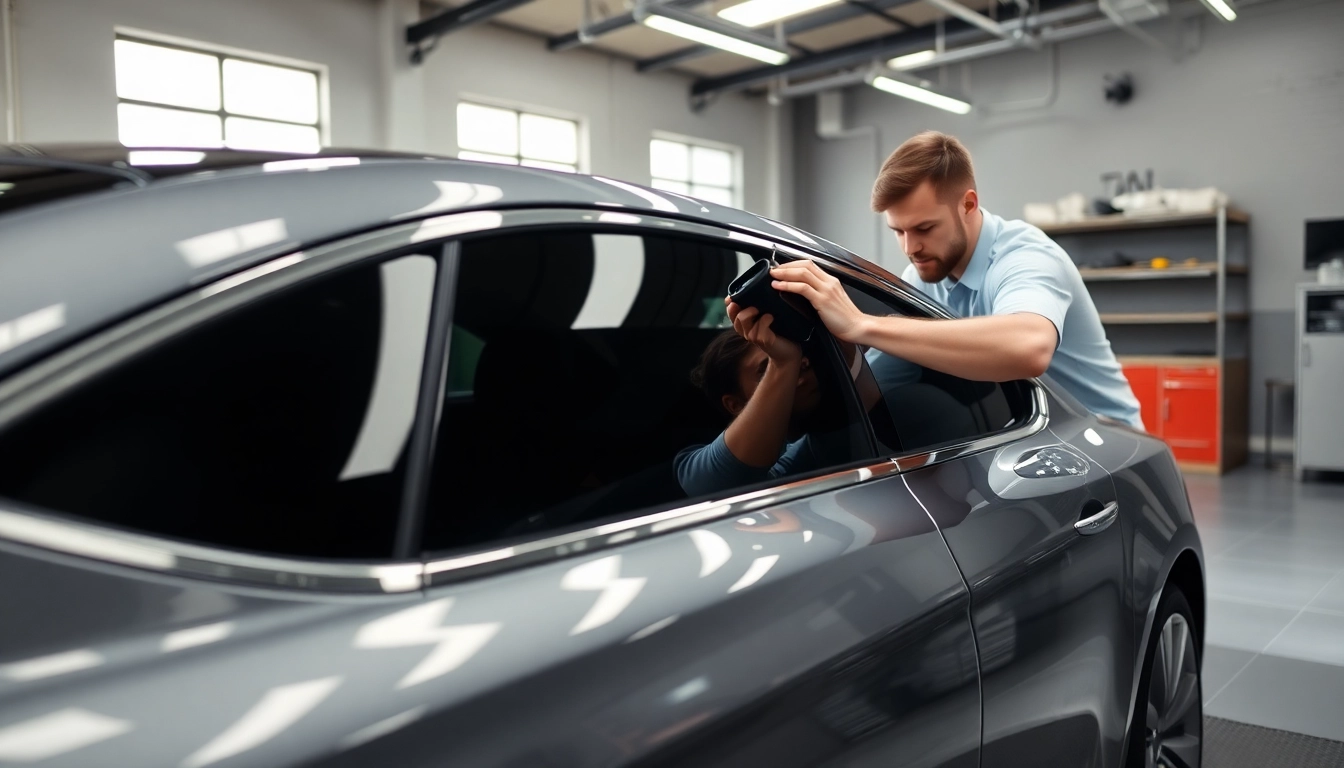
Understanding Auto Window Tint Options
Types of Window Tints Available
When considering auto window tint, it's essential to understand the various options available on the market. There are primarily four types of window tints: dyed, metallic, ceramic, and carbon.
- Dyed Tint: This is one of the most common options. Dyed window films consist of multiple layers, with a color layer that absorbs solar heat. They provide privacy and prevent UV rays from damaging your car’s interior.
- Metallic Tint: As the name suggests, this tint contains metal particles that reflect heat and UV rays. Metallic tints are effective in preventing fading of the interior materials and are available in various shades.
- Ceramic Tint: Known for its insulating properties, ceramic tint utilizes nanotechnology for superior performance. It reflects heat while allowing visible light to pass through, making it a premium choice for those seeking comfort.
- Carbon Tint: This type contains carbon particles, which help in blocking UV rays and heat without interference with electronic devices. Carbon tint is more durable and doesn’t fade over time.
Benefits of Each Tint Type
Understanding the benefits of each type of window tint can help you make an informed decision based on your specific needs.
- Dyed Tint: Affordable and available in various colors, dyed tints provide basic protection from UV rays and enhance privacy.
- Metallic Tint: Offers higher heat reduction and UV protection, which is ideal for those living in hotter climates. The reflective quality also adds to the aesthetic value of your vehicle.
- Ceramic Tint: Provides unparalleled heat rejection and UV protection without affecting visibility. It’s the most advanced option for those prioritizing comfort and durability.
- Carbon Tint: Offers excellent heat resistance and UV blocking without the fading that occurs with dyed films. It’s also less reflective, making it a discreet option.
Choosing the Right Tint for Your Vehicle
Selecting the right tint for your vehicle depends on several factors including local regulations, personal preferences, and budget. First, it's crucial to check the legal limits on window tint levels in your area, as these vary widely. Next, consider what aspects are most important to you:
- Do you prioritize privacy or aesthetics?
- Are you looking for maximum heat reduction, or is budget your primary concern?
By assessing these variables, you can choose the optimal type of tint that enhances your vehicle's value and comfort.
The Advantages of Local Auto Window Tint Services
Convenience of Auto Window Tint Near Me
Finding auto window tint near me not only saves you time, but also offers the assurance that help is readily available should issues arise. Local services can typically respond to your needs quickly, with shorter wait times and more flexible scheduling options, ensuring your car looks its best without unnecessary delay.
Local Expertise and Service Quality
Local tinting professionals bring specific knowledge about regional climates and regulations. They can offer personalized advice tailored to local conditions and customer needs. Additionally, they often have established reputations within the community, providing an added layer of assurance about the quality of their work.
Support for Local Businesses
By choosing local auto window tint services, you are actively supporting your community. Investing in local businesses helps stimulate the economy, create jobs, and foster a sense of community pride. It's also easier to build a relationship with local service providers, leading to enhanced trust and better service over time.
How to Find Quality Auto Window Tint Near Me
Conducting an Effective Local Search
To find quality auto window tint services nearby, start by using search engines and mapping tools to identify local providers. Utilize keywords like "auto window tint near me" in your searches to clarify results. Additionally, apps and platforms dedicated to automotive services can help compile a list of options in your vicinity.
Evaluating Reviews and Ratings
Reviews and customer ratings can provide insight into the quality of services offered. Look for common themes in feedback—such as professionalism, the quality of the tint, and aftercare services. Pay attention to both positive reviews and criticisms to develop a balanced perspective of what each service provider has to offer.
Asking the Right Questions Before Choosing
Once you've narrowed down your choices, it’s essential to ask relevant questions to ensure you're making the right decision. Consider inquiring about:
- What types of tint do they offer, and what are the benefits of each?
- What is the warranty or guarantee associated with their services?
- Are the technicians certified and experienced?
Understanding these details can help mitigate risks and ensure you choose a reputable service.
Cost Factors for Auto Window Tint Installation
Understanding Pricing Structures
The cost of auto window tint installation can fluctuate based on various factors, including the type of tint, the size of your vehicle, and the local services’ price structures. Premium tints such as ceramic tend to be more expensive. Costs may also vary based on the complexity of the installation, with larger vehicles generally requiring more time and materials.
Budgeting for Quality Tint Services
When budgeting, consider not just the initial cost of the tint but also potential long-term savings. Higher-quality tints offer better heat resistance and UV protection, which can reduce energy costs and prolong the lifespan of your vehicle's interior. Balancing upfront costs with long-term benefits is critical to achieving value for your investment.
Negotiating and Comparing Quotes
Don't hesitate to seek multiple quotes from different providers. Comparisons can help establish a standard price for the service you require. Some shops may offer discounts or package deals, so discussing your needs with multiple providers can provide leverage for negotiation, ensuring you get the best deal possible.
Maintaining Your Auto Window Tint
Best Practices for Care and Maintenance
To maximize the lifespan of your window tint, adhere to a few best practices. Avoid washing your car for at least a week post-installation, and use soft cloths to prevent scratching. Mild soaps and water are the safest options for cleaning tinted windows, while harsh chemicals should be strictly avoided.
Common Mistakes to Avoid
Common mistakes can lead to premature fading or bubbling of your tint. Avoid parking in direct sunlight unnecessarily right after installation, and never attempt to peel off tint at home as this can damage your windows or ruin the installation. Following these guidelines will help ensure your tint remains in top condition.
When to Consult a Professional
If you notice any significant bubbling, peeling, or discoloration, it's wise to consult a professional. A reputable window tint provider can evaluate the condition of your tint and recommend solutions such as repairs or complete replacement, ensuring your vehicle continues to look its best.
Frequently Asked Questions
What is the legal limit for window tint in my area?
Legal limits for window tint vary by state and region. It's essential to check local regulations to ensure compliance before installation.
How long does window tint last?
With proper care, high-quality window tints can last anywhere from 5 to 20 years, depending on the type and installation quality.
Can window tinting be removed?
Yes, window tinting can be professionally removed, but it’s best to consult a trained technician to avoid damaging the glass.
Will window tint affect my car’s resale value?
Quality window tint can enhance a car's resale value by protecting the interior and providing additional aesthetic appeal, provided the tint is compliant with local laws.
How much does auto window tinting cost?
The cost for window tinting can range widely. Factors such as film type, vehicle size, and local service prices contribute to overall costs, typically ranging from $200 to $600.