Overview of Derailment
What is Derailment?
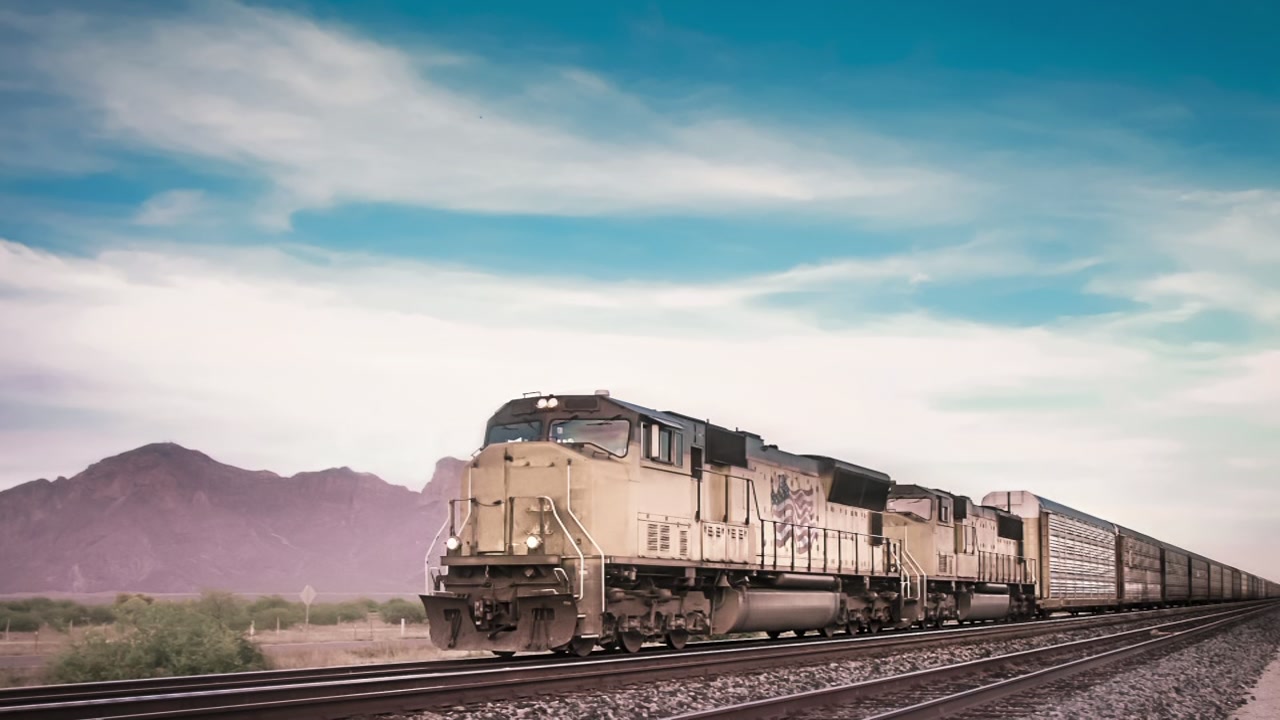
Derailment is a significant event in the rail industry where a train unintentionally leaves its tracks. This can occur due to various factors such as track defects, mechanical failures, or adverse weather conditions. The implications of derailment can be catastrophic, involving not only loss of life but also extensive damage to property and disruptions in transportation logistics. The Derailment scenario requires a deep understanding of the systems and processes that govern train operations, maintenance practices, and safety measures in place to mitigate such risks.
Common Causes of Derailment
The causes of derailment can be broadly categorized into several types:
- Track-related Issues: Poor track maintenance, misaligned tracks, or defective rail infrastructure can significantly increase the likelihood of derailment.
- Equipment Failures: Malfunctions in locomotives or wagons, including brake failures and wheel defects, can lead to catastrophic outcomes.
- Environmental Factors: Land movement, floods, or severe weather conditions can affect track integrity.
- Human Errors: Mistakes in train operation, signaling, or maintenance can contribute to derailments.
Impact of Derailment on Transport Systems
Derailments have profound implications for transport systems. They disrupt the flow of goods and passengers, causing economic repercussions and loss of trust in rail safety. Moreover, the recovery process involves significant costs associated with clearing debris, repairing damaged infrastructure, and compensating affected individuals. The repercussions can extend beyond immediate impacts to long-term public perception and regulatory scrutiny.
Safety Measures to Prevent Derailment
Infrastructure Maintenance Best Practices
Regular and stringent maintenance practices are crucial for ensuring rail infrastructure's safety and reliability. Best practices include:
- Routine Inspections: Regular evaluations of tracks, switch points, and signaling systems help identify and address issues before they lead to derailment.
- Use of Advanced Materials: Implementing modern materials that are more resistant to wear and environmental factors can enhance track durability.
- Track Geometry Measurement: Employing technology to measure the geometry of the track ensures it remains within safe operational parameters.
- Regular Feedback Loop: Maintenance practices must incorporate feedback mechanisms to continually improve upon safety standards.
Train Operation Protocols
Establishing comprehensive train operation protocols is essential in minimizing derailment risks. These protocols include:
- Training and Certification: Properly training personnel on safety protocols equips them with knowledge to handle emergencies and operational procedures effectively.
- Speed Regulations: Enforcing strict speed limits, especially on curves and inclines, can significantly reduce the risk of derailment.
- Communication Systems: Effective communication between train operators and control centers is essential to provide real-time updates that may affect safety.
- Emergency Response Plans: Developing detailed emergency response plans that include evacuation strategies in the event of a derailment ensures preparedness.
Technology's Role in Enhancing Safety
Technological advancements play a pivotal role in enhancing rail safety and preventing derailments. Notable innovations include:
- Smart Sensors: Deploying sensors on tracks and trains can provide real-time data on track conditions and equipment performance, enabling proactive maintenance.
- Automated Systems: Implementing automated train control systems helps maintain optimal speeds and ensure adherence to safety protocols.
- Data Analytics: Utilizing data analytics to assess patterns in derailment occurrences can inform better risk management strategies.
- Predictive Maintenance: Advanced algorithms can predict potential failures before they occur, enabling timely interventions.
Legal and Regulatory Framework around Derailment
Key Regulations Governing Rail Safety
The legal landscape surrounding rail safety is shaped by numerous national and international regulations. Key regulations include:
- Rail Safety Improvement Act: This act seeks to improve safety and emphasizes preventive measures in rail operations.
- Safety Management Systems: Establishing safety management systems that comply with regulations ensures a systematic approach to rail safety.
- Local and National Standards: Standards set by local and national bodies guide the development and implementation of safety protocols.
- Reporting Mandates: Rail operators are often required to report incidences and anomalies, promoting transparency and accountability.
Liabilities and Claims after a Derailment
Post-derailment, liability issues can arise, leading to claims from affected parties. Understanding liability involves assessing negligence, adherence to safety regulations, and the extent of damages sustained. The complexities of claims can include:
- Insurance Coverage: Reviewing insurance coverage for rail operators helps ensure liability is managed effectively.
- Legal Representation: Engaging legal experts familiar with rail law can aid in navigating claims and mitigating liabilities.
- Compensation Frameworks: Establishing clear compensation frameworks for victims and the community can facilitate recovery and rebuilding trust.
Role of Government Agencies
Government agencies play a crucial role in overseeing rail safety and enforcing regulations. Their responsibilities include:
- Oversight and Inspections: Conducting inspections and audits to ensure compliance with safety regulations.
- Research and Development: Funding and promoting research initiatives that focus on improving rail safety protocols.
- Public Awareness Campaigns: Engaging in public outreach to educate communities about rail safety and risk factors associated with derailment.
- Accident Investigations: Thoroughly investigating derailments to understand their causes and prevent future occurrences.
Real-World Examples of Derailment
Case Studies of Notable Derailments
Studying notable derailments provides valuable insights into their causes and impacts. Some prominent examples include:
- High-Profile Train Derailments: Major derailment events often highlight specific failures in safety systems or operational protocols.
- International Incidents: Examining derailments across different countries can provide contrasting safety measures and operational guidelines.
- Loss of Life Incidents: Tragedies where loss of life occurred can prompt major policy changes and safety improvements in the industry.
Lessons Learned from Past Incidents
Analysis of past derailments reveals common patterns and underscores the importance of preventive measures. Lessons include:
- Importance of Technology: Adoption of technology can significantly enhance detection and intervention in potential derailment scenarios.
- Need for Comprehensive Training: Regular and updated training for all staff involved in rail operations can improve situational awareness and response.
- Collaboration with Local Authorities: Partnerships between rail operators and local agencies improve community response efforts following incidents.
Impact on Communities and Recovery
Derailments not only affect rail operations but also have a profound impact on local communities. Recovery initiatives should focus on:
- Community Support Programs: Establishing programs to support affected residents can foster community resilience after an incident.
- Infrastructure Rebuild: Prioritizing the rebuilding of critical infrastructure can help restore normalcy more quickly.
- Long-term Economic Impact Assessments: Evaluating the long-term economic impact helps inform better planning for future incidents.
Future Trends in Preventing Derailment
Innovative Technologies in Rail Safety
Future trends in rail safety will see increased integration of innovative technologies such as:
- Artificial Intelligence: AI can enhance decision-making processes and identify potential failures before they result in derailments.
- Augmented Reality Inspections: Utilizing augmented reality allows inspectors to visualize problems more effectively during maintenance checks.
- Autonomous Trains: The development of autonomous trains has the potential to reduce human error significantly.
Increasing Role of Data Analytics
Data analytics will play a crucial role in shaping future safety protocols. Key benefits include:
- Predictive Maintenance Models: Data analytics can predict when maintenance should occur, reducing the likelihood of equipment failure.
- Trend Analysis: Analyzing trends in passenger behavior and track conditions can inform safer operational strategies.
- Real-Time Monitoring: Real-time monitoring systems can alert operators to anomalies as they happen, facilitating quicker responses.
Sustainable Practices in Transportation
As the world moves towards more sustainable practices, the rail industry is focusing on environmental considerations. Initiatives may include:
- Green Technology Adoption: Transitioning to cleaner technologies for locomotives can reduce environmental impacts while improving safety.
- Efficient Resource Use: Utilizing resources more efficiently can positively influence safety provisions and operational costs.
- Community Engagement: Involving communities in sustainability initiatives ensures that rail operators are accountable and transparent in their operations.
Frequently Asked Questions
What should I do if I witness a derailment?
If you witness a derailment, ensure your safety first and contact emergency services immediately to report the incident.
How can rail operators prevent derailments?
Rail operators can prevent derailments through regular infrastructure maintenance, proper training, and employing advanced monitoring technologies.
Are there specific regulations for rail safety?
Yes, there are numerous regulations governing rail safety, including national laws and international standards focusing on operations and maintenance.
What are the consequences of derailments?
Derailments can lead to significant economic losses, environmental damage, potential fatalities, and long-term disruptions to transport services.
What role do government agencies play in rail safety?
Government agencies oversee safety regulations, conduct inspections, investigate incidents, and support research on improving rail safety.