Introduction to Yoga Mudras
In the world of yoga, a plethora of practices and techniques are employed to enhance physical, mental, and spiritual well-being. Among these techniques, yoga mudras stand out as powerful yet often overlooked methods. Mudras are hand gestures or seals that play a crucial role in channeling the flow of energy (prana) in one's body, helping to foster balance and concentration during yoga practice and meditation. This comprehensive guide aims to explore the complete spectrum of yoga mudras, their benefits, and practical ways to incorporate them into daily life.
What are Yoga Mudras?
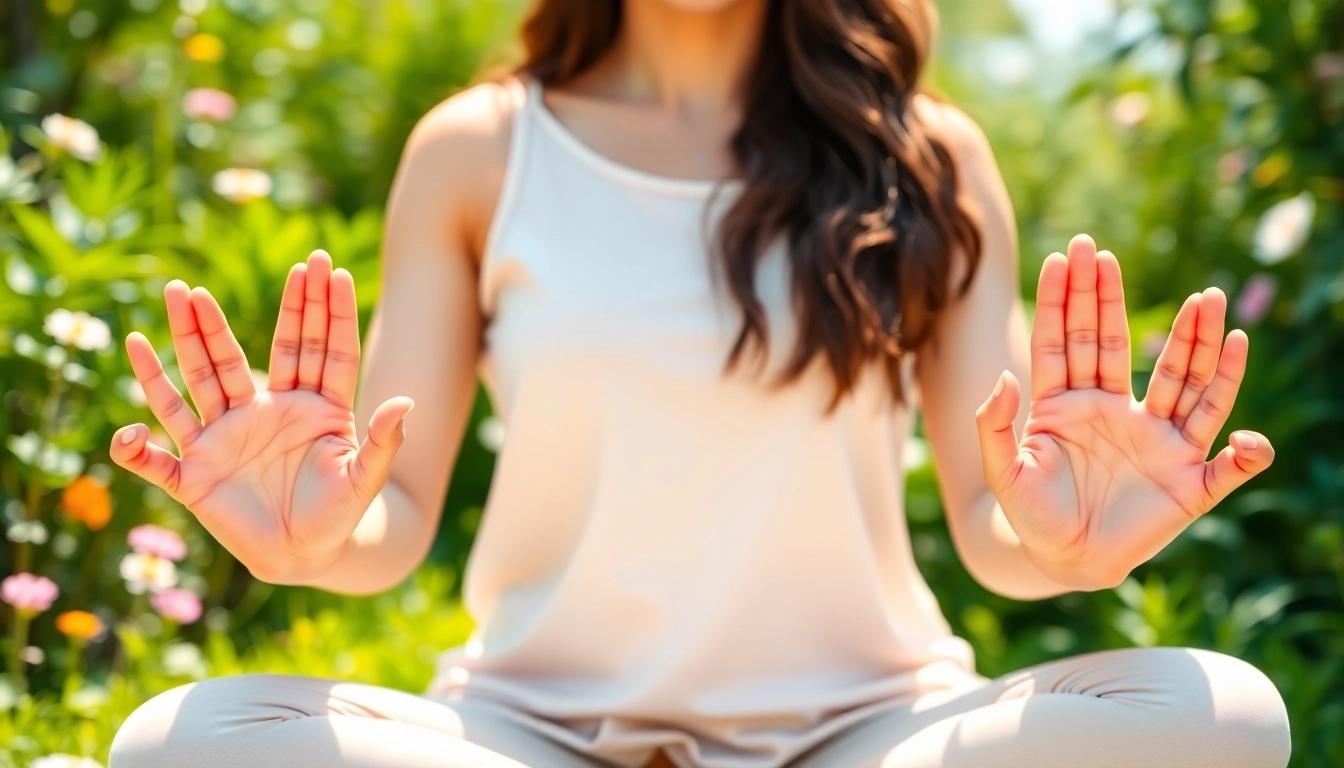
Essentially, yoga mudras are symbolic hand gestures that have their roots in ancient Indian traditions. Derived from the Sanskrit word "mudra," meaning seal or gesture, these hand positions assist in directing energy flows throughout the body. Each mudra corresponds to specific intentions and can invoke various physical, mental, and spiritual states. They are not merely artistic expressions; they are intentional practices designed to promote well-being and mindfulness. When practiced regularly, yoga mudras deepen the experience of yoga, aiding concentration during meditation and enhancing the benefits of breathing exercises.
Historical Context of Yoga Mudras
The history of yoga mudras is rich and diverse, tracing back thousands of years to ancient India, where they were used in religious practices and rituals. Their significance is highlighted in revered texts such as the "Upanishads" and "Hatha Yoga Pradipika," which detail not only the physical postures of yoga but also the profound impact of energy channels within the human body. As yogic practices evolved, mudras became essential tools for spiritual growth, aligning the body with higher consciousness and facilitating the awakening of latent energies. They also found their way into various art forms, including dance, where intricate hand gestures convey emotions and stories.
Types of Yoga Mudras
There are numerous yoga mudras, each with its unique purpose and effect. They can generally be categorized into three types:
- Hand Mudras: These are the most common and are practiced using various finger placements and hand positions.
- Body Mudras: These involve the position of the entire body and may include specific asanas along with hand gestures.
- Vocal Mudras: These incorporate sound vibration, where mantras are combined with hand gestures to enhance the practice.
Among the most widely recognized hand mudras are Gyan Mudra, Prana Mudra, and Apana Mudra, among others, each serving targeted health and emotional benefits.
The Benefits of Practicing Yoga Mudras
Integrating yoga mudras into your practice introduces a wealth of benefits that positively impact physical health, mental clarity, and emotional stability.
Physical Health Benefits of Yoga Mudras
Each yoga mudras serves specific physical purposes. For instance, the Gyan Mudra, where the index finger touches the thumb, promotes concentration and memory, enhancing cognitive functions. Meanwhile, Prana Mudra revitalizes energy levels and promotes balance among the five elements (earth, water, fire, air, and space) within the body. Apana Mudra, performed by joining the thumb, middle, and ring fingers, aids digestion and detoxification, contributing to overall physical well-being.
Mental and Emotional Well-being Enhancements
Yoga mudras significantly contribute to mental and emotional health by fostering improved mood, reducing anxiety, and enhancing focus. The use of Gyan Mudra can elevate cognitive clarity, promoting creative thinking and innovative problem-solving. Furthermore, when compounded with meditative practices, yoga mudras help ground the mind, creating calmness and reducing stress through conscious breathing and awareness. Vyana Mudra, for instance, helps harmonize energy, promoting feelings of joy and tranquility.
Spiritual Significance of Yoga Mudras
In addition to physical and emotional benefits, yoga mudras hold profound spiritual significance. They serve as conduits that link the practitioner to their higher self, facilitating deeper connections during meditation. Mudras like the Anahata Mudra (heart gesture) boost compassion and empathy, reinforcing the importance of love and openness in daily life. Engaging in these mudras while meditating can lead to significant spiritual insights, fostering inner peace and clarity.
How to Incorporate Yoga Mudras into Daily Practice
Integrating yoga mudras into your daily life can be accomplished gradually and effectively. Here are actionable tips on how to include these powerful gestures in your routine.
Simple Yoga Mudras for Beginners
For beginners, starting with a few simple mudras can make the journey to mastery enjoyable and accessible:
- Gyan Mudra: Sit comfortably and place your hands on your knees, touching the tip of your index finger to your thumb. Hold this position for 5-10 minutes while focusing on your breath.
- Prana Mudra: Rest your hands on your thighs, connecting your thumb with your ring and little fingers while keeping the index and middle fingers extended. This can be practiced during meditation to evoke energy.
- Apana Mudra: Similarly, join the thumb, middle finger, and ring finger while the other fingers remain extended, promoting detoxification.
Creating a Yoga Mudra Routine
Crafting a personal routine that incorporates yoga mudras can enhance your practice's effectiveness. Consider the following steps:
- Choose your favorite yoga mudras based on your goals—whether it's relaxation, energy, or focus.
- Designate a time of day for your practice—early morning or before sleep often works best.
- Combine your mudras with calming breaths. Inhale deeply while holding a mudra and exhale slowly, facilitating mindfulness.
Common Mistakes When Practicing Yoga Mudras
While practice may seem straightforward, certain pitfalls can hinder the experience:
- Improper Hand Position: Ensure you fully understand each mudra’s position. Consult trusted resources or instructors to avoid incorrect practice.
- Rushing the Practice: Give yourself permission to slow down. Mudras require time and stillness to be effective.
- Forgetting the Mind-Body Connection: Focus solely on hand positions without awareness of breath and intention diminishes the effectiveness of mudras.
By recognizing these common mistakes, practitioners can fortify their commitment to the practice, ensuring an enriching experience.
Advanced Techniques and Variations of Yoga Mudras
Once comfortable with basic practices, individuals may explore advanced mudras and techniques for deeper engagement. Here’s how to elevate your practice further.
Exploring Advanced Yoga Mudras
In advancing your practice, you may experiment with less common mudras such as:
- Dhyana Mudra: A gesture to enhance meditation where one places their hands on the lap with palms facing up and the right hand over the left.
- Shakti Mudra: This mudra activates the energy within; cross the ring and little fingers and place the thumbs across the index and middle fingers.
The journey into advanced mudras opens doors to heightened awareness and deeper meditation levels.
Integrating Mudras with Breathing Techniques
Connecting yoga mudras with pranayama (breath control) amplifies their benefits. Here are a few methods:
- Balance and Breath: Practice Gyan Mudra while performing Nadi Shodhana (alternate nostril breathing) to enhance focus.
- Calming Breath: Combine Apana Mudra with deep belly breaths to promote relaxation during stressful moments.
Synchronization of breath with mudras channels energy and amplifies the impact of your practice.
Combining Yoga Mudras with Meditation
Yoga mudras reach their full potential when incorporated into meditation practices. Some tips include:
- Focus on Intent: Select a mudra that resonates with your meditation goals to channel energy seamlessly.
- Posture Stability: Ensure your body is in a comfortable seated position while maintaining the mudra, fostering a connection between mind and body.
- Regular Practice: Consistency in combining meditation and mudras deepens understanding and maximizes benefits.
Such practices cultivate a profound sense of peace and clarity.
Resources and Further Reading on Yoga Mudras
For those curious about expanding their knowledge and mastery in mudras, there are numerous resources available.
Books and Articles on Yoga Mudras
Several enlightening texts and articles delve deeper into the principles and practices of yoga mudras:
- The Yoga Sutras of Patanjali: Offers foundational insights into yoga philosophy, including gestures.
- Yoga Mudras: The Best Way to Help You Achieve Specific Goals: Provides detailed explanations of various mudras and their intended benefits.
Online Courses and Workshops
With the rise of online learning, various courses and workshops are now available that focus specifically on yoga mudras and their incorporation into yoga practices. Platforms like popular educational websites offer various learning opportunities, encouraging practitioners to deepen their understanding and gain hands-on experience.
Engaging with the Yoga Community
Community engagement remains an invaluable way of learning and staying motivated. Joining yoga groups, both online and offline, encourages sharing personal experiences, gaining insights from others, and participating in group practices that explore yoga mudras collectively.
In conclusion, yoga mudras represent a powerful avenue for enhancing the physical, mental, and spiritual aspects of yoga practice. By understanding their historical context, benefits, and practical applications, individuals can leverage this rich tradition to enrich their overall well-being. Whether you are a novice or an experienced practitioner, the integration of yoga mudras into your routine can transform your approach to yoga, meditation, and mindfulness, ushering in a deeper sense of balance and presence in your life.