Understanding the Concept of Coed Summer Camp
What is a Coed Summer Camp?
A coed summer camp is a recreational and educational experience designed for both boys and girls, providing children with opportunities to engage in various activities while building lifelong friendships. Unlike gender-specific camps, coed camps aim to foster an inclusive environment that promotes interaction between genders. This interaction is vital for natural socialization, allowing campers to learn from each other and develop empathy, teamwork, and communication skills that are essential in everyday life.
At a coed summer camp, children participate in a range of activities alongside peers of the opposite gender, helping to cultivate a sense of camaraderie and mutual respect.
Historical Background of Coed Camps
The concept of coed summer camps emerged in the 20th century as society began to shift towards more inclusive practices. Originally, summer camps were segregated by gender, reflecting the cultural norms of the time. However, as attitudes evolved, so did the understanding of the benefits of mixed-gender environments.
Initially, coed camps faced skepticism regarding their efficacy in teaching children social skills and promoting friendships. However, over time, research demonstrated that these camps significantly foster emotional intelligence and cooperation. As parents sought more inclusive opportunities for their children, coed camps gained popularity, with many modern camps evolving to incorporate mixed-gender activities and instruction.
Benefits of Coed Interaction for Kids
Coed interaction at summer camps provides numerous developmental advantages for children. One of the primary benefits is the opportunity to learn respect and appreciation for diverse perspectives. Engaging with peers of the opposite gender enables boys and girls to understand and celebrate differences in communication styles, behavior, and interests.
This exposure reduces stereotypes, cultivates empathy, and paves the way for healthier future relationships, laying the groundwork for collaboration in academic and professional environments. Furthermore, as camp environments emphasize teamwork in activities, children learn valuable negotiation and problem-solving skills that enhance their social competence.
Social Skills Development at Coed Summer Camps
Enhancing Communication Skills
Coed summer camps provide a safe and relaxed setting for children to enhance their communication skills. Through various collaborative activities, kids learn to express their thoughts and emotions effectively. Workshops, group games, and team sports require verbal interactions, leading to improved public speaking abilities and active listening skills.
When children engage in discussions about camp activities or plan projects together, they practice articulating their ideas clearly, adapting their communication strategies to resonate with their peers. This adaptability is a crucial skill that extends beyond camp and into their daily interactions.
Building Friendships Across Gender
One of the most significant advantages of coed summer camps is the opportunity to build friendships across gender lines. As societal norms evolve, it’s increasingly important for children to experience healthy relationships that do not adhere to traditional gender roles.
Friendships formed in a supportive camp environment provide a foundation for understanding and respecting differences. These friendships help combat gender stereotypes and allow children to appreciate the unique qualities that each gender brings to social interactions.
Overcoming Social Anxiety
Many children experience social anxiety, especially when interacting with the opposite gender. A coed summer camp setting offers a unique opportunity to overcome such anxieties in a low-pressure environment. The structured activities encourage boys and girls to work together, fostering a sense of camaraderie that can ease apprehension.
As campers engage in team-building exercises and collaborative games, they gain confidence and learn that interacting with peers of the opposite gender can be enjoyable. By normalizing these interactions, coed camps play a crucial role in alleviating social anxieties and cultivating a more confident future generation.
Activities Offered at Coed Summer Camps
Outdoor Activities and Adventures
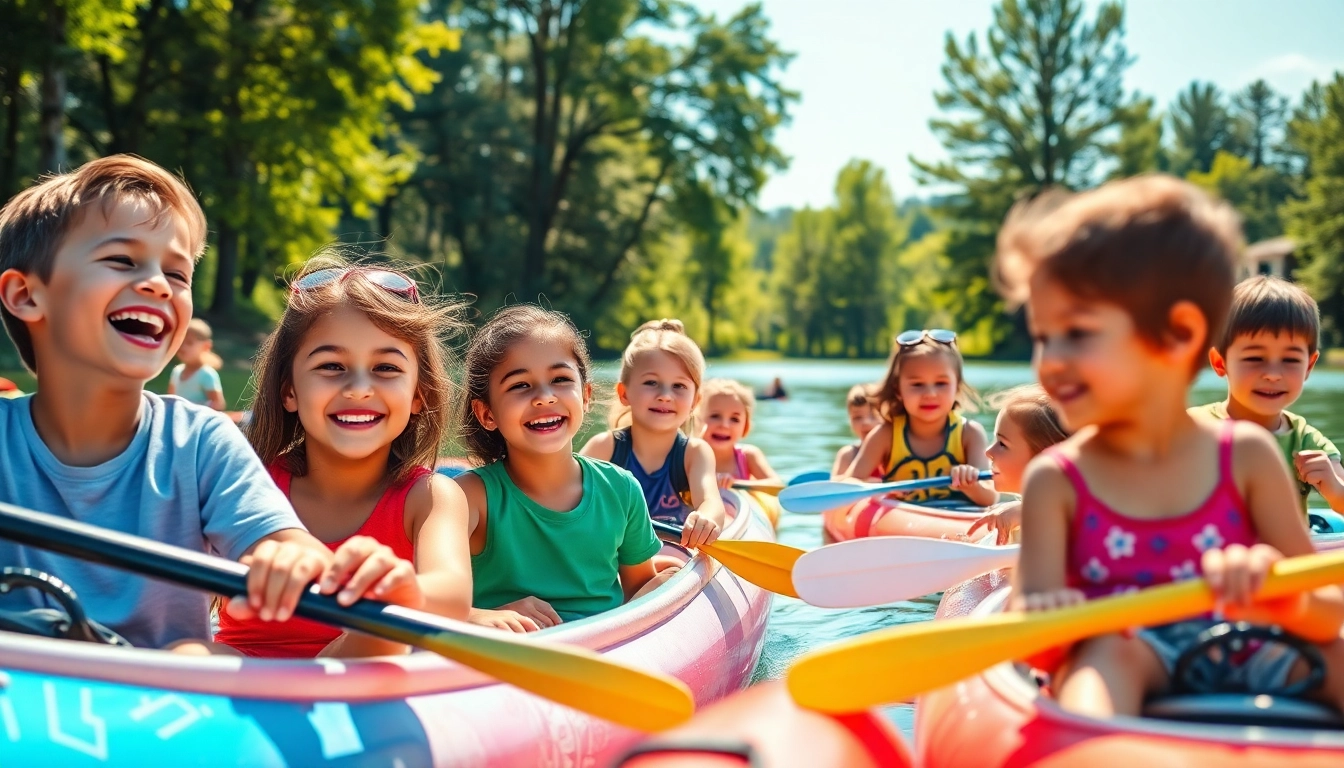
Outdoor activities are a staple of any coed summer camp, including hiking, canoeing, and team sports. These activities not only provide physical exercise but also offer a chance for kids to bond over shared experiences and challenges.
Participating in outdoor adventures encourages teamwork, as campers must work together to navigate trails, tackle obstacles, and support each other during activities. The shared exhilaration of adventure fosters lasting friendships, promotes resilience, and instills an appreciation for nature.
Arts and Crafts Opportunities
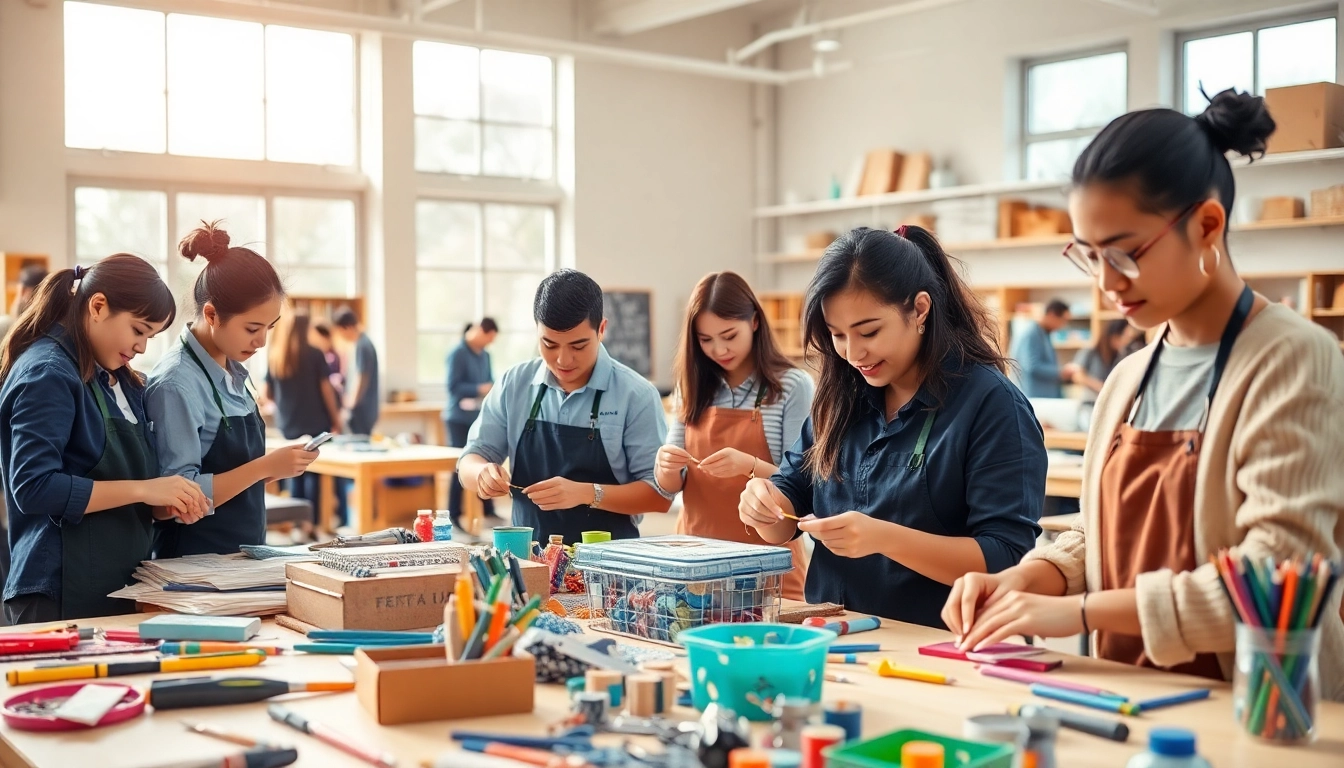
Arts and crafts provide a creative outlet for campers to express themselves while working collaboratively. Through activities like painting, sculpting, and crafting, children explore their artistic abilities while learning to appreciate others’ talents.
These sessions promote creative collaboration, where campers can share ideas, offer constructive feedback, and celebrate each other's unique styles. The relaxed atmosphere encourages self-expression, allowing children to develop their artistic voice while strengthening social interactions across genders.
Team Sports Involving Both Genders
Team sports are a central part of the coed camp experience. Activities such as soccer, basketball, and relay races not only offer exercise and enjoyment but also teach critical life lessons about teamwork, strategy, and fair play. These games emphasize cooperation and inclusivity.
By participating in mixed-gender teams, campers learn to function cohesively regardless of gender, breaking down barriers and fostering mutual respect and admiration. This experience is invaluable, preparing them for collaborative environments in their future educational and professional lives.
The Emotional and Psychological Impact of Coed Camps
Fostering Inclusivity and Respect
Coed summer camps are designed with inclusivity at their core. By bringing together boys and girls in a nurturing environment, camps actively break down gender stereotypes, fostering a culture of respect and understanding. Campers learn to appreciate the value of diverse perspectives and experiences, which prepares them for a world that increasingly values inclusivity.
This culture of respect mirrors real-world social dynamics, allowing children to practice and internalize these essential values in a safe atmosphere.
Preparing for Real-World Social Scenarios
The interactions at coed summer camps are crucial for preparing children for real-world social scenarios. By learning to navigate relationships with the opposite gender, campers gain insights into the complexities of communication, emotional intelligence, and mutual respect.
Experiencing a variety of social settings at camp allows children to adapt to different contexts, making them better equipped to handle diverse social dynamics as they transition to adolescence and beyond.
Developing Leadership Qualities
Coed summer camps provide ample opportunities for children to develop leadership qualities. Whether through leading activities, facilitating discussions, or organizing teams, campers learn how to guide and inspire others. Mixed-gender interactions serve as a powerful model for demonstrating inclusive leadership.
Children learn to be accountable, communicate effectively, and appreciate the contributions of their peers, enabling them to emerge as confident and empathetic leaders in their future endeavors.
How to Choose the Right Coed Summer Camp
Assessing Camp Programs and Activities
When selecting a coed summer camp, it is crucial to evaluate the programs offered. Look for camps that provide a well-rounded mix of activities, including outdoor adventures, arts and crafts, and team sports. Consider the age group of your child and ensure the camp activities align with their interests and developmental needs.
Researching specific programs will give insights into a camp's philosophy and approach to offering a diverse set of experiences, which are essential for children’s overall growth.
Evaluating Camp Environment and Safety
The camp environment should be safe, welcoming, and supportive. Investigate safety protocols, the experience of the staff, and camper-to-counselor ratios. Communication with camp directors regarding safety procedures ensures that your child is protected while having the freedom to explore and grow.
Additionally, a positive and nurturing camp culture should be evident in testimonials or reviews to ensure a supportive community for your child.
Gathering Recommendations and Reviews
Recommendations from other parents can be invaluable when selecting a coed summer camp. Seek feedback from friends, family, or online communities focused on camping experiences. Reviews can guide parents toward programs that deliver exceptional experiences.
Consider visiting camps open houses or virtual tours to directly experience the environment and interact with staff, further aiding in making an informed decision.
FAQs
1. What age group is suitable for coed summer camps?
Coed summer camps typically cater to children aged 6 to 16. However, it's essential to check specific camp guidelines, as ages may vary between camps.
2. Do coed summer camps promote stereotypical behavior?
No, coed camps aim to break down stereotypes by encouraging collaboration and respect among genders, helping children learn to appreciate diversity.
3. How do coed camps handle conflicts between campers?
Coed camps usually have trained staff who mediate conflicts constructively, teaching campers valuable lessons in communication and conflict resolution.
4. Can children with special needs attend coed summer camps?
Many coed camps are inclusive and accommodate children with special needs. It's advisable to reach out to camp representatives for specific details on available support.
5. What should campers bring to a coed summer camp?
Campers should bring personal items such as clothing suitable for activities, toiletries, a water bottle, and any necessary medication. Camps provide specific packing lists as well.