Understanding Metal Roofing Essentials
What is Metal Roofing?
Metal roofing is a construction method that employs metal sheets or tiles as roofing materials for residential, commercial, and industrial structures. It offers not only aesthetic appeal but also functional advantages, such as durability and energy efficiency. Common materials include steel, aluminum, copper, and zinc, each offering distinct benefits, making metal roofing a versatile choice for various building types.
Benefits of Metal Roofing
Metal roofing comes with a plethora of benefits that make it an attractive option for homeowners and builders alike. Notably, its longevity surpasses that of traditional roofing materials, often lasting 40 to 70 years with proper maintenance. Additionally, metal roofs are highly resistant to extreme weather conditions, including rain, wind, and snow, which can reduce long-term repair costs. Energy efficiency is another key advantage, as reflective coatings reduce heat absorption, leading to lower energy bills. Plus, metal roofing is environmentally friendly; it is often made from recycled materials and can be fully recycled at the end of its life span.
Types of Metal Roofing Materials
When choosing a metal roof, understanding the different types of materials is crucial. Steel, particularly galvanized and Galvalume, is popular for its strength and affordability. Aluminum is lightweight and resistant to corrosion, making it ideal for coastal areas. Copper is known for its stunning appearance and longevity; however, it comes at a higher cost. Zinc offers a unique self-healing property, making it ideal for unique architectural designs. Each type has its advantages, so the choice should reflect both aesthetic preferences and functional requirements.
Finding Reliable Metal Roofing Companies
Researching Local Metal Roofing Companies
Conducting thorough research is the first step in identifying reliable metal roofing companies. Start by checking local business listings and directories. Websites that specialize in contractor reviews can provide insights into various companies’ reputations. It’s also beneficial to seek recommendations from friends, family, or neighbors who have had metal roofing installed. An example would be seeking out metal roofing companies with a solid local presence, as they typically understand regional climate challenges and local building codes.
Evaluating Company Credentials
Once you have a list of potential contractors, it's essential to evaluate their credentials. Look for proper licensing and insurance, as these are indicators of professionalism and trustworthiness. A reputable company should be transparent about their qualifications and willing to provide this documentation upon request. Certifications from recognized manufacturers also signify that the company is well-trained in specific roofing systems, which can enhance the installation's quality.
Reading Customer Reviews
Customer reviews can provide invaluable insights into a company’s performance. It’s wise to look at both positive and negative reviews to get a well-rounded perspective. Pay attention to comments regarding the quality of work, responsiveness, and overall satisfaction. Online platforms like Google Reviews, Yelp, and Angie’s List can be excellent resources for gathering this information. Additionally, try to contact past clients if possible; direct feedback can offer compelling evidence of a company's reliability.
The Installation Process Explained
Initial Assessment and Planning
The installation process of metal roofing begins with a comprehensive assessment of your current roof structure and surrounding environment. Professional roofers will examine factors like the roof's pitch, material condition, and existing leaks or damage. Planning is crucial; this phase includes selecting the type of metal roofing material, color, and profile, along with determining the best installation methods to suit your home’s specific needs and aesthetic goals.
Choosing the Right Materials
Choosing the right material is pivotal to ensuring the longevity and functionality of your metal roof. With myriad options available, consider factors such as budget, desired aesthetics, and the climate. For instance, in areas prone to high humidity, materials like aluminum may be better suited due to their corrosion resistance. Moreover, consider energy-efficient options such as reflective coatings that can help maintain a comfortable indoor temperature.
Steps in the Installation Process
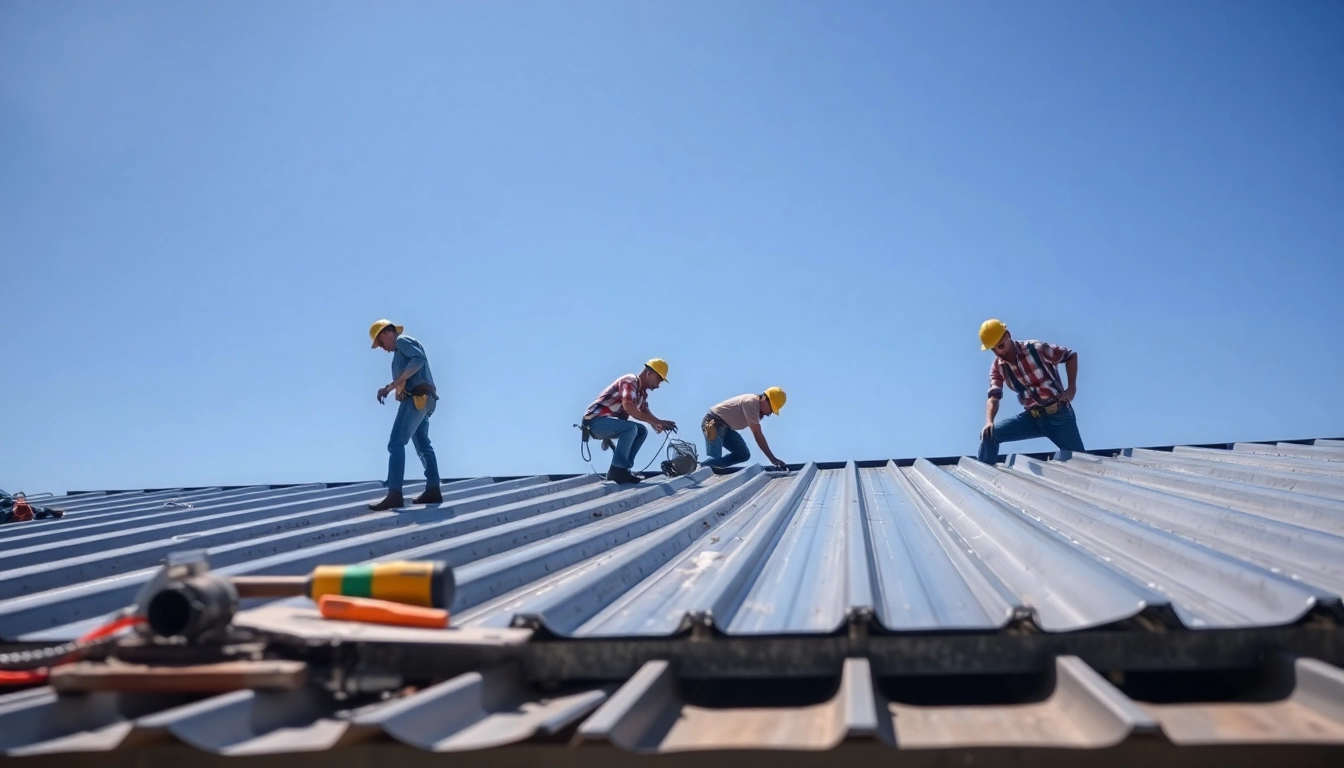
The installation of a metal roof involves several distinct steps. Initially, installers prepare the site, removing old roofing materials if necessary and carrying out any structural repairs. Next, a secure underlayment is applied, followed by the installation of metal panels. Special attention is given to seams and overlaps to ensure watertight conditions. Finally, finishing details, such as trim and ridge caps, are added to enhance both performance and visual appeal.
Maintenance Tips for Metal Roofing
Regular Inspections and Cleaning
Regular maintenance is essential for prolonging the life of a metal roof. Homeowners should conduct periodic inspections, ideally twice a year and after major weather events. Check for signs of wear, loose panels, and debris accumulation. Cleaning gutters and removing dirt or leaves from the roof surface will prevent water buildup and reduce the risk of rusting or corrosion, promoting optimal performance.
Identifying Potential Issues
Identifying issues early can save considerable time and expense. Common problems include rust spots, dented panels, and issues with seams or flashing. It's essential to monitor for any signs of leaks or water intrusion, which could indicate underlying problems. Be vigilant about the roof's integrity, as small issues can escalate into larger problems if not addressed promptly.
When to Call Metal Roofing Companies for Help
While basic maintenance can be managed by homeowners, certain situations require professional intervention. If significant rusting is noticed, or if panels are loose or damaged, it's time to call in experts. Additionally, if water damage is found in the attic or on ceilings, a professional inspection is warranted. Regular check-ups by metal roofing companies can also catch potential issues before they become critical.
Cost Considerations and Value
Estimating Your Metal Roofing Project Budget
The cost of a metal roofing project varies significantly based on factors such as material type, the complexity of installation, and local labor costs. On average, homeowners can expect to pay between $7 to $12 per square foot for metal roofing. It's crucial to obtain estimates from multiple contractors to ensure a fair price. Ensure that you ask for detailed quotes, breaking down labor, materials, and any additional fees to avoid unexpected costs.
Understanding the Long-Term Value
While the upfront costs of metal roofing may be higher than some traditional materials, the long-term value is often much greater. Metal roofs can withstand harsh weather, substantially reducing repair and replacement costs. Furthermore, their energy-efficient properties can lead to savings on heating and cooling bills. When evaluated over the lifespan of the roof, the return on investment typically proves favorable, making metal roofing an economically sound choice.
Financing Options for Your Roofing Project
For homeowners concerned about upfront costs, many financing options are available. Some roofing companies partner with financing institutions to offer loans tailored to home improvement projects. Government programs may also be available for energy-efficient home upgrades, providing rebates or incentives to improve financial feasibility. Exploring these options can make investing in metal roofing more accessible and manageable.
Frequently Asked Questions
1. How long does a metal roof last?
A metal roof can last between 40 to 70 years, depending on the material and maintenance provided.
2. Is metal roofing noisy during rain?
While metal roofs can be noisier than traditional shingles during heavy rain, proper insulation and underlayment can significantly reduce sound levels.
3. Can metal roofing be installed over existing shingles?
Yes, metal roofing can be installed over existing shingles, which can save on labor costs and reduce waste.
4. Does a metal roof affect home insurance rates?
Many homeowners see lower insurance rates with metal roofing due to its durability and resistance to damage.
5. How often should I inspect my metal roof?
It's recommended to inspect your metal roof at least twice a year and after severe weather events to catch any potential issues early.