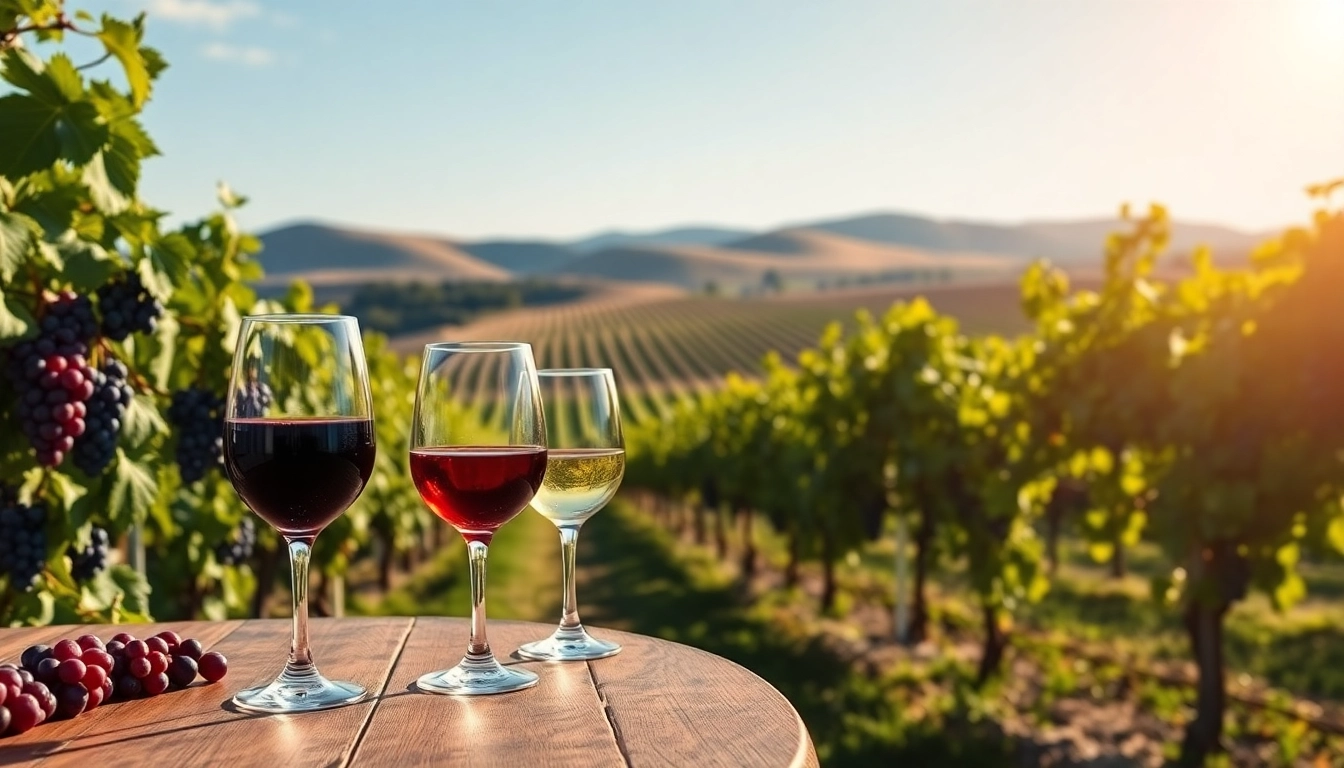
The Unique Profile of Petite Sirah
Petite Sirah, known as Durif in many parts of the world, is a red wine grape that’s increasingly gaining popularity among wine enthusiasts. This grape originated from an accidental cross between Syrah and the rare Peloursin in France’s Hérault region. Notably prominent in California, where over 90% of the American plantings are labeled as Petite Sirah, it has also found a home in several other regions worldwide, including Australia and Israel. With its inky color and bold flavors, the petite sirah offers a unique tasting experience that resonates with both novice and seasoned wine drinkers.
Flavor Characteristics of Petite Sirah
Petite Sirah is recognized for its intense flavor profile. The wine often exhibits dark fruit flavors such as blackberry, plum, and black cherry. Additionally, its structure emphasizes high tannins accompanied by medium acidity, producing a rich mouthfeel that lingers. Common tasting notes include hints of vanilla, pepper, and cacao, making it a versatile choice for pairing with different cuisines. Its deep, inky color and full-bodied nature serve as visual and gustatory invitations to explore an exceptional tasting journey.
Regions Known for Producing Petite Sirah
While Petite Sirah flourishes predominantly in California, it also enjoys success in several notable wine regions around the globe. Regions like the Yakima River Valley in Washington, diverse climates in Australia, and certain areas of France have embraced this grape. Its adaptability to different terroirs can result in varying flavor nuances and profiles. This versatility allows wine lovers to experience a spectrum of styles from different viticultural regions, each showcasing its unique environmental influences.
Understanding the Tannins and Acidity in Petite Sirah
The tannin structure in Petite Sirah is one of its defining characteristics. This grape’s small berries yield a high skin-to-juice ratio, leading to robust tannins that enhance its aging potential. The acidity, while generally medium, provides balance to the wine’s bold flavors. Understanding how these elements coexist helps consumers appreciate the aging capability of Petite Sirah, as well as its complex interactions with various foods.
Pairing Petite Sirah with Food
Pairing wine with food is an art, and Petite Sirah offers ample opportunities for exploration. Here are some prime pairing suggestions to enhance your gastronomic experience.
Best Foods to Enhance the Flavors of Petite Sirah
The boldness of Petite Sirah makes it ideal for pairing with hearty dishes. Grilled meats such as steak or lamb harmonize beautifully with the wine’s tannins, while rich sauces and marinades accentuate its dark fruit notes. Roasted vegetables, particularly those with a bit of caramelization, also complement the flavor profile and enhance the overall dining experience. Barbecue is another fantastic match, where the smokiness offsets the wine’s richness.
Matching Cheese with Petite Sirah
Cheese pairing can elevate a wine tasting to new heights. With its full-bodied nature, Petite Sirah pairs well with bold cheeses. Aged cheddar and gouda enhance the wine’s depth while balancing its tannic structure. Blue cheese can also offer an interesting contrast, showcasing how cheese can bring out different flavor dimensions within the wine. The enjoyment derived from these combinations lies in the exploration of how different flavors enhance one another.
Cuisine that Complements Petite Sirah
When considering cuisine types, rich Italian dishes, especially those featuring tomato-based sauces, work wonderfully with Petite Sirah. Dishes such as lasagna or osso buco can seamlessly incorporate the wine’s dense fruitiness. Additionally, South American cuisines with savory spices and bold flavors create an engaging match, allowing for an intriguing culinary experience. Asian-inspired dishes with hoisin or teriyaki sauces also showcase how versatile this wine can be in culinary pairings.
Understanding the Winemaking Process for Petite Sirah
The journey of Petite Sirah from vineyard to glass is an intricate one, filled with care at each stage. Understanding this process enhances appreciation of the wine in your glass.
Harvesting Techniques for Petite Sirah Grapes
Timing is critical when harvesting Petite Sirah grapes. Typically done in late September to mid-October, grapes are handpicked to ensure quality. Harvesters seek optimal ripeness, ensuring that the balance of sugars and acidity is perfect for fermentation. Techniques such as selecting specific clusters and monitoring vineyard health contribute to harvest decisions that profoundly impact the final product.
Fermentation and Aging of Petite Sirah
The fermentation process for Petite Sirah often involves both traditional and modern techniques. Winemakers may choose to ferment with native yeast strains, yielding unique flavor accents, or opt for cultured yeasts for consistency. Aging follows fermentation, where barrels could be made from various woods such as French or American oak. This choice significantly influences the flavor profile, adding tannic complexity and layer richness over time.
Common Blends Involving Petite Sirah
While many enjoy Petite Sirah as a varietal, its bold characteristics make it an excellent candidate for blending. Common blends include Zinfandel, which adds spice and fruitiness. Petite Sirah is sometimes paired with other robust varietals, creating harmonious and complex wines. Exploring these blends allows consumers to experience how Petite Sirah interacts with other flavors while broadening their wine palate.
Storing and Serving Petite Sirah
The proper storage and serving techniques of Petite Sirah can significantly affect how its flavors are perceived. Below are recommendations for ensuring each glass of Petite Sirah is experienced as intended.
Optimal Storage Conditions for Petite Sirah
For optimal preservation, Petite Sirah should be stored in a cool, dark place where temperatures are consistently around 55°F (13°C). Ideal humidity should range between 60% to 70%. Storing bottles upright can enable sediment maneuvers, but usually, wines are laid flat to keep corks moist. These practices help in aging the wine gracefully and preventing spoilage.
The Perfect Temperature to Serve Petite Sirah
When serving Petite Sirah, a temperature between 60°F to 65°F (15°C to 18°C) is recommended to enjoy its intricate profiles fully. Chilling it too much can mute its flavors, while serving at warmer temperatures may overpower the palate with alcohol. A standard timer of 30 minutes in the refrigerator before serving should suffice to achieve the perfect temperature.
Decanting vs. Pouring Petite Sirah
Decanting Petite Sirah can enhance the wine’s aromatics and allow it to breathe, particularly with younger vintages. However, older bottles may contain sediment, necessitating careful pouring to minimize disturbance. Choosing to decant or simply pour depends on the wine’s age and cellar condition, but either option can effectively maximize the tasting experience.
Frequently Asked Questions About Petite Sirah
What is the history of Petite Sirah?
Petite Sirah originated in France as a cross between Syrah and Peloursin. Its popularity soared in California, where it was widely cultivated and adapted to the climate.
Is Petite Sirah a sweet or dry wine?
Petite Sirah is predominantly a dry wine. It exhibits high tannins and acidity, creating a rich, complex profile without residual sweetness.
How does Petite Sirah compare to Syrah?
Though related, Petite Sirah is more tannic and fuller-bodied than Syrah. It often showcases deeper color and bolder fruit flavors.
What foods do experts recommend pairing with Petite Sirah?
Experts suggest pairing Petite Sirah with grilled meats, hearty pasta dishes, and robust cheeses to complement its bold flavors and tannins.
Can Petite Sirah be aged over the years?
Yes, Petite Sirah can age very well due to its high tannin structure. With proper storage, some bottles can improve for decades.