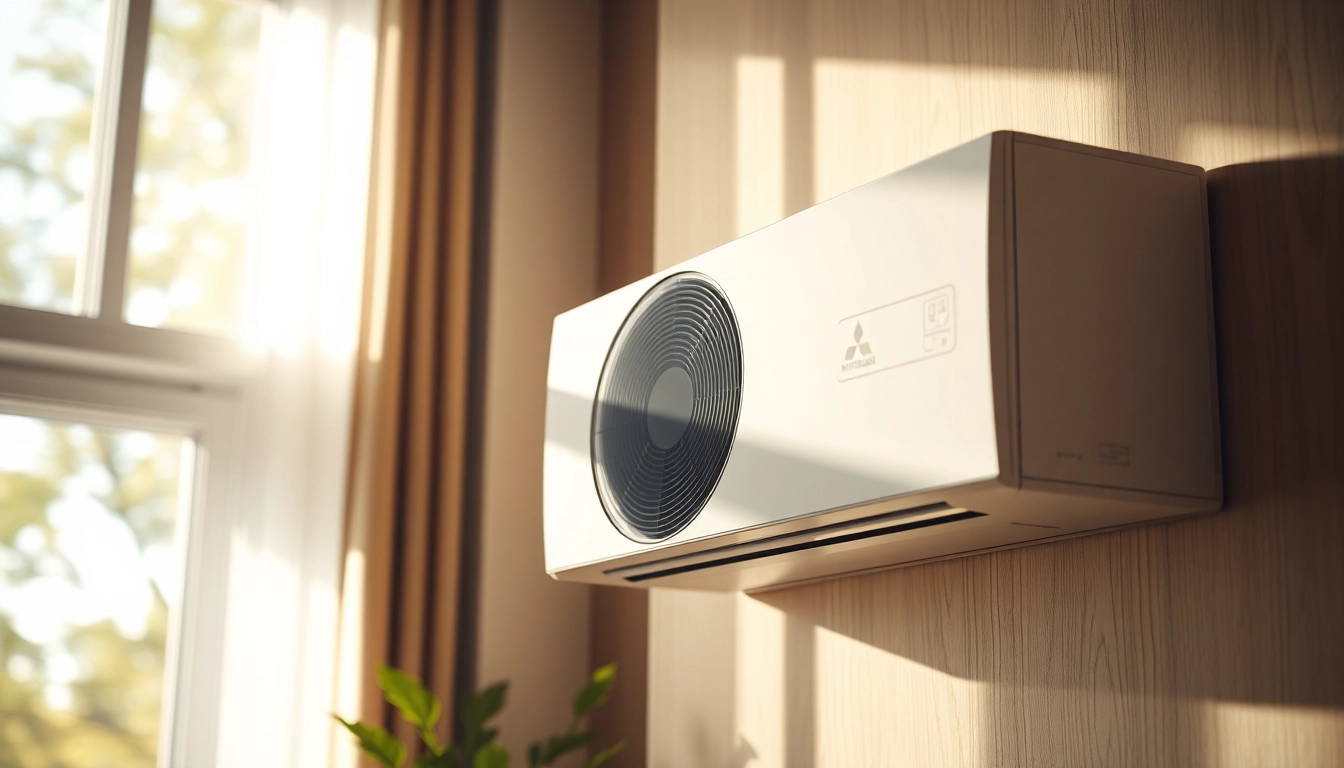
Understanding Mitsubishi Mini Split AC Systems
Mitsubishi Mini Split AC systems are increasingly popular choices for both residential and commercial cooling needs due to their efficiency, flexibility, and unique design. Unlike traditional ducted systems, these units offer a range of options tailored to various spaces. A mitsubishi mini split ac system consists of both an indoor and outdoor unit, allowing for precise climate control without extensive ductwork, making them ideal for renovations and new constructions alike.
What is a Mitsubishi Mini Split AC?
A Mitsubishi Mini Split AC is a type of ductless air conditioning system that utilizes inverter technology to provide energy-efficient cooling and heating solutions. The system is composed of an outdoor condenser unit and one or more indoor air-handling units. The primary advantage of this configuration is that it allows for individual zone control, allowing occupants to select temperatures that suit their comfort levels. This zoning capability is particularly beneficial in larger homes or buildings where different spaces may have varying heating and cooling needs.
Key Features of Mitsubishi Mini Split AC
- Inverter Technology: Mitsubishi mini split ACs employ inverter technology to adjust the compressor speed according to the cooling demand, enhancing energy efficiency and maintaining consistent temperature levels.
- Whisper-Quiet Operation: These systems are designed to operate at lower noise levels than traditional units, making them ideal for bedrooms, offices, and other quiet spaces.
- Flexible Installation: The absence of ductwork allows for more installation options, including wall-mounted, ceiling-mounted, and floor-mounted units.
- Energy Efficiency: Mitsubishi mini splits typically have high SEER (Seasonal Energy Efficiency Ratio) ratings, making them more efficient than conventional systems, resulting in lower energy bills.
- Advanced Filtration: Many models include advanced filtration systems that improve indoor air quality by reducing dust, allergens, and other pollutants.
Benefits of Choosing Mitsubishi Mini Split AC
Choosing a Mitsubishi mini split AC comes with a host of benefits that contribute to both comfort and utility savings. Firstly, the ability to control the temperature independently in each zone results in personalized comfort for every occupant. This feature is particularly useful for families with varying preferences or spaces that serve different functions, such as an entertainment area versus a workspace.
Furthermore, these systems are renowned for their energy savings. With modern models operating at energy efficiency levels far superior to traditional units, users often see a significant reduction in their cooling costs. Additionally, the compact design of central mini splits allows for unobtrusive installation in a variety of architectural settings.
Installation Process for Mitsubishi Mini Split AC
Preparing Your Space for Installation
Preparation is key to a successful installation of any HVAC system, including a Mitsubishi mini split AC. Before installation, it’s essential to assess the space. This means determining where to place both the indoor and outdoor units. Factors to consider include accessibility for maintenance, proximity to power sources, and the physical layout of the area. It’s also necessary to check for local regulations and obtain any required permits before proceeding with installation.
Steps to Install a Mitsubishi Mini Split AC
- Choose Locations: Select optimal sites for both the indoor and outdoor units, ensuring they are level and stable.
- Create a Wall Hole: Drill a 3-inch hole in the wall to accommodate refrigerant and drainage lines.
- Mount Indoor Unit: Attach the indoor unit to the wall using a mounting bracket, ensuring it is securely fixed.
- Install the Outdoor Unit: Place the outdoor condenser unit on a solid and level pad or brackets to ensure proper drainage and airflow.
- Connect Refrigerant lines: Carefully connect the refrigerant lines, ensuring no leaks occur while maintaining proper insulation.
- Connect Power Supply: Safely connect the system to the electrical supply following local codes and regulations.
- Test the System: Once installed, turn on the unit to check functionality and adjust settings as needed.
Common Installation Mistakes to Avoid
To ensure a smooth installation process, it’s crucial to be aware of common pitfalls. One significant error is improperly sizing the system for the intended space. An undersized unit may struggle to cool the area efficiently, while an oversized system can lead to increased energy consumption and wear. Additionally, neglecting to create a proper drainage pathway can cause water leakage issues over time.
Another common mistake is allowing inadequate room for airflow around the outdoor unit. Proper ventilation is essential for optimal performance and longevity. Lastly, failing to follow electrical codes during installation can result in safety hazards and damage to the system.
Maintenance Tips for Mitsubishi Mini Split AC
Regular Cleaning and Inspection
Regular maintenance is vital for the performance and longevity of your Mitsubishi mini split AC. At a minimum, the filters should be cleaned or replaced monthly, especially during peak usage seasons. Cleaning the filters promotes efficient airflow and optimal cooling performance, while also prolonging the lifespan of the unit.
In addition to filter maintenance, the coils and fins of the units should be inspected and cleaned as needed. Dirt and debris accumulation can impede airflow and significantly affect efficiency. Performing these routine cleanings helps your system operate at peak efficiency and minimizes the need for costly repairs.
When to Schedule Professional Maintenance
While homeowners can handle basic maintenance, certain aspects require the attention of a professional. It’s advisable to schedule an annual inspection by a qualified HVAC technician. This professional check-up can identify issues such as refrigerant leaks, electrical problems, or component wear before they escalate into major repairs. Regular professional maintenance can also help preserve the warranty on your systems, ensuring peace of mind for years to come.
DIY Maintenance Best Practices
Do-it-yourself maintenance can be completed effectively with a few simple best practices. Start by keeping the area around both the indoor and outdoor units clean and free of obstruction to ensure proper airflow. Keep the outdoor unit free from debris, leaves, or snow that can impede performance. Utilize a vacuum or soft brush to clean the unit’s outer casing and fins without damaging sensitive parts.
In addition, ensure that the condensate drain line is clear to prevent clogs that could lead to water damage. You can also use a mixture of vinegar and water to treat the drain line periodically, helping to keep it flowing smoothly.
Comparing Mitsubishi Mini Split AC Models
Features of Different Models
Mitsubishi offers a broad range of mini split models, each with unique features to suit varying needs. When comparing models, look for different capacities (BTUs), SEER ratings, and specific functionalities such as hyper-heating technology which enables efficient heating in extreme temperatures. Some models may feature built-in Wi-Fi capability, offering remote control and monitoring through a smartphone applications.
Which Model Best Fits Your Needs?
Choosing the right model requires an understanding of your specific requirements. Factors include the size of the space, local climate, and desired temperature control features. Conduct a thorough assessment based on square footage and insulation to determine the necessary BTU rating. Consulting with an HVAC professional can provide tailored recommendations based on their expertise and knowledge of various model capabilities.
Energy Efficiency Ratings Explained
Energy efficiency is a critical aspect of selecting a Mitsubishi mini split AC. The SEER rating indicates the cooling output compared to the energy consumption over a typical cooling season. Higher SEER ratings (like 20 or above) indicate a more efficient unit, allowing for significant energy savings over time. Additionally, look for units that have earned Energy Star certification, as these meet strict energy efficiency guidelines set by the U.S. Environmental Protection Agency.
Cost Considerations for Mitsubishi Mini Split AC
Understanding Pricing and Budgeting
The cost of a Mitsubishi mini split AC can vary widely based on several factors, including installation complexity, system size, and local labor rates. On average, pricing can range from a few thousand dollars for a basic system to $10,000 or more for multi-zone systems. When budgeting, consider potential additional costs for permits, electrical upgrades, and ongoing maintenance.
Long-Term Savings and Efficiency
Despite the upfront investment, Mitsubishi mini splits can lead to notable long-term savings. Energy-efficient systems can reduce utility bills significantly, helping to offset initial costs over time. Additionally, the durability and reliability of these systems often translate into lower repair costs and a longer service life compared to traditional HVAC systems.
Financing Options for Your Mitsubishi Mini Split AC
For those concerned about the initial expense, many companies offer attractive financing options. These might include low-interest loans, promotional payment plans, or leasing agreements. Before purchasing, explore financing solutions to find the best fit for your budget and present a solid investment option.
Frequently Asked Questions
How much does a Mitsubishi mini split AC unit cost?
The price of a Mitsubishi mini split AC unit varies widely based on capacity, model, and installation needs, typically ranging from $2,000 to $10,000 including installation.
How often should I service my Mitsubishi mini split AC?
It’s advisable to have your Mitsubishi mini split AC serviced annually by a professional, while you should clean or replace filters regularly, ideally monthly during peak use.
Can I install a Mitsubishi mini split system myself?
While it’s possible for DIY enthusiasts to handle installation, it’s recommended to hire a licensed HVAC technician to ensure proper setup, especially concerning electrical connections and refrigerant handling.
How loud is a Mitsubishi mini split AC unit?
Mitsubishi mini split units are designed to be very quiet, often operating at 19 dB, which is quieter than a whisper. This makes them suitable for bedrooms and study environments.
What size Mitsubishi mini split AC do I need for my room?
To determine the appropriate size for your room, calculate the BTU needed based on square footage and local climate. Consulting with an HVAC professional can help ensure correct sizing for efficiency and comfort.