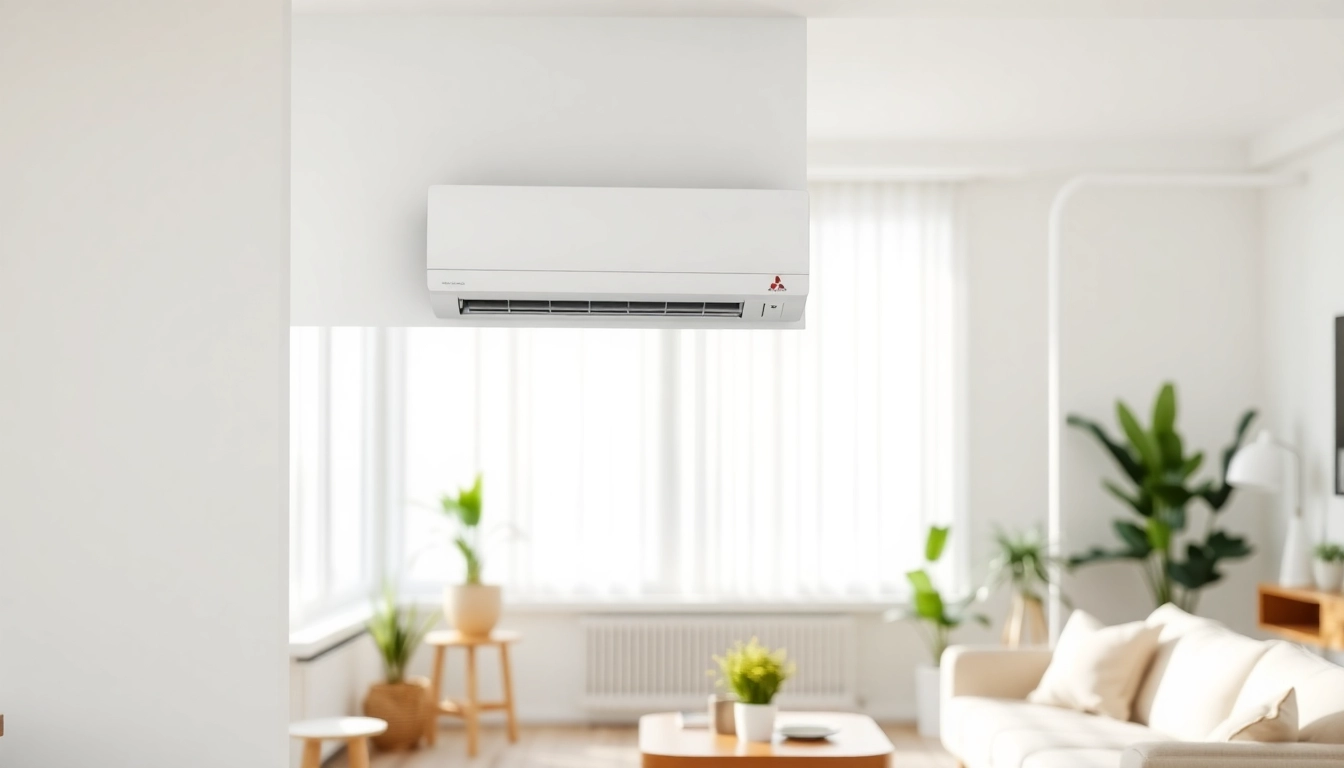
Understanding Mitsubishi Mini Split AC Technology
The rise of ductless mini-split systems is transforming home comfort, and at the forefront of this innovation is the mitsubishi mini split ac. Engineered for efficiency and adaptability, these units offer solutions for both heating and cooling needs in residential and commercial settings. Let’s delve into the inner workings of this remarkable technology, exploring its design, functionality, and benefits over traditional HVAC systems.
What Is a Mitsubishi Mini Split AC?
A Mitsubishi Mini Split AC is a type of heating and cooling system that consists of two main components: an outdoor unit and one or more indoor air-handling units. Unlike traditional air conditioning systems that require ductwork, mini splits operate without ducts, making them an ideal option for spaces where installation of ducts is impractical or too costly. This technology allows for zoned temperature control, providing tailored comfort in different areas of a home or business.
How Does a Mini Split AC Work?
The operation of a Mitsubishi Mini Split AC is based on the principles of heat transfer. The outdoor unit contains a compressor and a condenser, while the indoor unit houses an evaporator coil and a fan. During the cooling process, refrigerant travels through the system, absorbing heat from the indoor environment and transferring it outside. In heating mode, the cycle reverses, pulling heat from the outdoor air and distributing it indoors. This versatility enhances year-round comfort while maximizing energy efficiency.
Benefits Over Traditional Systems
One of the most significant advantages of Mitsubishi Mini Split AC systems is their energy efficiency. They typically have higher Seasonal Energy Efficiency Ratios (SEER) compared to traditional units, resulting in lower energy costs. Additionally, because they do not require ductwork, they avoid the energy losses associated with ducted systems, often losing 20-30% of energy due to leaks and inefficiencies. Mini splits also offer flexible installation options, quieter operation, and improved indoor air quality thanks to their individual components being easy to clean and maintain.
Key Features of Mitsubishi Mini Split AC Units
Energy Efficiency Ratings
Mitsubishi Mini Split AC units are well-regarded for their exceptional energy efficiency, often featuring SEER ratings ranging from 16 to 26. This high efficiency can lead to substantial cost savings over time, making these systems an eco-friendly choice that reduces your carbon footprint while improving comfort levels. Furthermore, many models are equipped with inverter technology that allows for precise temperature control, enhancing both comfort and efficiency by adjusting the compressor’s speed based on real-time temperature demands.
Quiet Operation for Peaceful Living
Another remarkable feature of Mitsubishi Mini Split AC units is their quiet operation. Designed with advanced sound-dampening technology, many models maintain noise levels below 30 decibels, rivaling the sound of a whisper. This quiet function makes them suitable for bedrooms, offices, and other noise-sensitive environments, allowing individuals to enjoy an undisturbed atmosphere while maintaining optimal temperature control.
Smart Technology Integration
Modern Mitsubishi Mini Split AC units often come equipped with smart technology features that allow homeowners to control their systems via apps or voice-activated devices. This integration not only provides convenience but also enhances efficiency, as users can regulate the temperature remotely and schedule operations based on their daily routines. Features such as energy monitoring and predictive maintenance alerts contribute to a smarter, more efficient home environment.
Installation and Maintenance Tips
Professional Installation Process
To ensure optimal performance and longevity, professional installation of a Mitsubishi Mini Split AC system is highly recommended. The installation process involves refrigerant line connection, proper mounting of indoor and outdoor units, and electrical connections. Technicians must assess the size and layout of the space to determine the most effective positioning for the units, taking into account factors such as airflow and aesthetic preferences. Proper installation sets the foundation for the system’s efficiency and reliability.
Routine Maintenance Best Practices
Routine maintenance is essential to keep your Mitsubishi Mini Split AC running efficiently. Key tasks include regularly cleaning or replacing filters every one to three months, checking outdoor units for debris or obstructions, and cleaning the coils to ensure efficient heat exchange. Scheduling annual professional assessments can help identify potential issues before they escalate, maintaining system effectiveness and extending its lifespan.
Troubleshooting Common Issues
Like any mechanical system, Mitsubishi Mini Split AC units may occasionally experience issues. Common problems include reduced airflow, improper temperature regulation, and unusual noises. Homeowners can troubleshoot by checking the air filters for clogs, ensuring the outdoor unit is free of debris, and verifying that the thermostat is functioning correctly. If problems persist, contacting a professional technician for diagnosis and repair is advisable.
Choosing the Right Mitsubishi Mini Split AC Model
Size and Capacity Considerations
Determining the right size and capacity for your Mitsubishi Mini Split AC unit is crucial for efficient operation. The required capacity is typically measured in BTUs (British Thermal Units) and should correspond to the specific heating or cooling needs of your space. A professional can perform a load calculation that considers factors such as room size, insulation levels, and climate, ensuring you select a model that meets your requirements without operating inefficiently.
Comparing Different Models
Mitsubishi offers a diverse range of mini-split models, each equipped with unique features and capabilities. It’s essential to compare various units based on specifications like SEER ratings, noise levels, and additional features such as heating functionality or smart technology. Reading customer reviews and consulting with professionals can help narrow your options, ensuring a choice that balances performance with affordability.
Budgeting for Your Mini Split AC Purchase
Budgeting for a Mitsubishi Mini Split AC involves considering both the upfront costs of the unit and installation fees, alongside potential energy savings over time. Although these systems can represent a more significant initial investment compared to traditional HVAC options, their efficiency can lead to lower utility bills and minimal maintenance costs. It’s wise to compare long-term savings alongside your budget to determine the most cost-effective choice for your home comfort needs.
Frequently Asked Questions
How do I determine the size of the Mitsubishi Mini Split AC I need?
To find the right size, calculate your room’s square footage and refer to the AC unit’s BTU rating chart to match capacity.
What maintenance is required for a Mitsubishi Mini Split AC?
Regularly clean the filters, inspect outdoor units for debris, and schedule annual professional checks to ensure longevity.
Can a Mitsubishi Mini Split AC be used for heating?
Yes, many Mitsubishi Mini Split AC models come with a heating option, providing efficient comfort year-round.
What is the average lifespan of a Mitsubishi Mini Split AC?
With proper maintenance, a Mitsubishi Mini Split AC can last approximately 15-20 years, offering reliable performance.
Are Mitsubishi Mini Split AC units energy efficient?
Yes, these units typically feature high SEER ratings, making them among the most energy-efficient cooling solutions available.